
9780199650644 - the physiology of training for high performance de macdougall, duncan; sale, digby (23 resultados)

- Tapa blanda
Librería: World of Books (was SecondSale), Montgomery, IL, Estados Unidos de AmericaWorld of Books (was SecondSale)
Contactar con el vendedorVendedor de 5 estrellasCondición: Usado - Aceptable
EUR 43,93
Gastos de envío gratisSe envía dentro de Estados Unidos de AmericaCantidad disponible: 1 disponibles
Condición: Good. Item in good condition and has highlighting/writing on text. Used texts may not contain supplemental items such as CDs, info-trac etc.
- Tapa blanda
Librería: BGV Books LLC, Murray, KY, Estados Unidos de AmericaBGV Books LLC
Contactar con el vendedorVendedor de 5 estrellasCondición: Usado - Aceptable
EUR 49,39
Gastos de envío gratisSe envía dentro de Estados Unidos de AmericaCantidad disponible: 1 disponibles
Condición: Good. Exact ISBN match. Immediate shipping. No funny business.
- Tapa blanda
Librería: AwesomeBooks, Wallingford, Reino UnidoAwesomeBooks
Contactar con el vendedorVendedor de 5 estrellasCondición: Usado - Bueno
EUR 70,62
Envío por EUR 4,84Se envía de Reino Unido a Estados Unidos de AmericaCantidad disponible: 2 disponibles
paperback. Condición: Very Good. The Physiology of Training for High Performance This book is in very good condition and will be shipped within 24 hours of ordering. The cover may have some limited signs of wear but the pages are clean, intact and the spine remains undamaged. This book has clearly been well maintained and looked… after thus far. Money back guarantee if you are not satisfied. See all our books here, order more than 1 book and get discounted shipping.

- Tapa blanda
Librería: Shakespeare Book House, Rockford, IL, Estados Unidos de AmericaShakespeare Book House
Contactar con el vendedorVendedor de 5 estrellasCondición: Nuevo
EUR 73,95
Envío por EUR 3,50Se envía dentro de Estados Unidos de AmericaCantidad disponible: 1 disponibles
Condición: new.
- Tapa blanda
Librería: Bahamut Media, Reading, Reino UnidoBahamut Media
Contactar con el vendedorVendedor de 5 estrellasCondición: Usado - Bueno
EUR 69,40
Envío por EUR 8,19Se envía de Reino Unido a Estados Unidos de AmericaCantidad disponible: 2 disponibles
paperback. Condición: Very Good. This book is in very good condition and will be shipped within 24 hours of ordering. The cover may have some limited signs of wear but the pages are clean, intact and the spine remains undamaged. This book has clearly been well maintained and looked after thus far. Money back guarantee if you are… not satisfied. See all our books here, order more than 1 book and get discounted shipping.

- Tapa blanda
Librería: Grand Eagle Retail, Bensenville, IL, Estados Unidos de AmericaGrand Eagle Retail
Contactar con el vendedorVendedor de 5 estrellasCondición: Nuevo
EUR 90,97
Gastos de envío gratisSe envía dentro de Estados Unidos de AmericaCantidad disponible: 1 disponibles
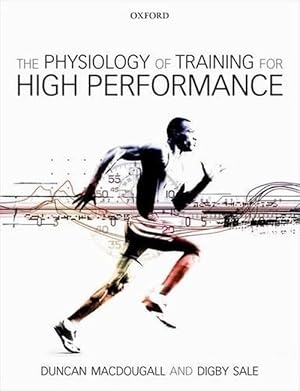
Paperback. Condición: new. Paperback. Success for an athlete depends on their ability to perform at their best when it matters most. Performance depends on the athlete's body having acquired the most beneficial adaptations for their sport. But how can an athlete or coach be sure that training results in the desired adaptations?T…raining can be defined as the stimulation of biological adaptations that result in an improvement in performance in a given task. Athletes and coaches havelearned, mostly through trial and error, how to exploit the ability of the body to adapt in response to potentially harmful stimuli. The challenge lies in applying the right stimuli at the rightintensity for the right amount of time: muscles respond to working more forcefully than normal by becoming bigger, stronger, and more resistant to damage, but over-training can lead to injury. This book provides the information necessary to decide on the most effective way to improve performance, underpinned by an understanding of the mechanisms behind adaptation and thoroughly supported by scientific research.The Physiology of Training for High Performance beginsby introducing the reader to the concept and physiological bases of adaptation. The authors then delve into training for different outcomes, for example, improved endurance or speed, and relate the discussionto various sports and events. Finally, the authors summarize the latest research surrounding additional factors that affect an athlete's performance and potential, including tapering, nutrition, and body composition.Online Resource CentreThe Online Resource Centre to accompany The Physiology of Training for High Performance features:For students:BL Multiple choice questions to check understanding andaid revisionBL Links to sources of further informationFor registered adopters of the book:BL Figures from the book, available for download Provides a thorough, evidence-based understanding of the physiological bases of training for high performance sport to empower students, athletes, and coaches to make informed decisions over the most effective training methods. Shipping may be from multiple locations in the US or from the UK, depending on stock availability.
- Tapa blanda
Librería: Ria Christie Collections, Uxbridge, Reino UnidoRia Christie Collections
Contactar con el vendedorVendedor de 5 estrellasCondición: Nuevo
EUR 77,52
Envío por EUR 14,07Se envía de Reino Unido a Estados Unidos de AmericaCantidad disponible: 7 disponibles
Condición: New. In.
- Tapa blanda
Librería: Chiron Media, Wallingford, Reino UnidoChiron Media
Contactar con el vendedorVendedor de 5 estrellasCondición: Nuevo
EUR 72,23
Envío por EUR 18,19Se envía de Reino Unido a Estados Unidos de AmericaCantidad disponible: 7 disponibles
paperback. Condición: New.
- Tapa blanda
Librería: Majestic Books, Hounslow, Reino UnidoMajestic Books
Contactar con el vendedorVendedor de 4 estrellasCondición: Nuevo
EUR 85,03
Envío por EUR 7,63Se envía de Reino Unido a Estados Unidos de AmericaCantidad disponible: 3 disponibles
Condición: New. pp. 432.
- Tapa blanda
- Primera edición
Librería: Kennys Bookshop and Art Galleries Ltd., Galway, GY, IrlandaKennys Bookshop and Art Galleries Ltd.
Contactar con el vendedorVendedor de 5 estrellasCondición: Nuevo
EUR 80,68
Envío por EUR 10,50Se envía de Irlanda a Estados Unidos de AmericaCantidad disponible: 7 disponibles
Condición: New. . 2014. 1st Edition. Paperback. . . . .

- Tapa blanda
Librería: Rarewaves.com USA, London, LONDO, Reino UnidoRarewaves.com USA
Contactar con el vendedorVendedor de 5 estrellasCondición: Nuevo
EUR 102,69
Gastos de envío gratisSe envía de Reino Unido a Estados Unidos de AmericaCantidad disponible: 4 disponibles
Paperback. Condición: New. Success for an athlete depends on their ability to perform at their best when it matters most. Performance depends on the athlete's body having acquired the most beneficial adaptations for their sport. But how can an athlete or coach be sure that training results in the desired adaptations? Training ca…n be defined as the stimulation of biological adaptations that result in an improvement in performance in a given task. Athletes and coaches have learned, mostly through trial and error, how to exploit the ability of the body to adapt in response to potentially harmful stimuli. The challenge lies in applying the right stimuli at the right intensity for the right amount of time: muscles respond to working more forcefully than normal by becoming bigger, stronger, and more resistant to damage, but over-training can lead to injury. This book provides the information necessary to decide on the most effective way to improve performance, underpinned by an understanding of the mechanisms behind adaptation and thoroughly supported by scientific research.The Physiology of Training for High Performance begins by introducing the reader to the concept and physiological bases of adaptation. The authors then delve into training for different outcomes, for example, improved endurance or speed, and relate the discussion to various sports and events. Finally, the authors summarize the latest research surrounding additional factors that affect an athlete's performance and potential, including tapering, nutrition, and body composition. Online Resource CentreThe Online Resource Centre to accompany The Physiology of Training for High Performance features:For students:BL Multiple choice questions to check understanding and aid revisionBL Links to sources of further informationFor registered adopters of the book:BL Figures from the book, available for download.
- Tapa blanda
Librería: Revaluation Books, Exeter, Reino UnidoRevaluation Books
Contactar con el vendedorVendedor de 5 estrellasCondición: Nuevo
EUR 89,20
Envío por EUR 14,68Se envía de Reino Unido a Estados Unidos de AmericaCantidad disponible: 2 disponibles
Paperback. Condición: Brand New. 1st edition. 432 pages. 9.00x7.00x1.00 inches. In Stock.
- Tapa blanda
Librería: Books Puddle, New York, NY, Estados Unidos de AmericaBooks Puddle
Contactar con el vendedorVendedor de 4 estrellasCondición: Nuevo
EUR 102,25
Envío por EUR 3,50Se envía dentro de Estados Unidos de AmericaCantidad disponible: 3 disponibles
Condición: New. pp. 432.
- Tapa blanda
Librería: THE SAINT BOOKSTORE, Southport, Reino UnidoTHE SAINT BOOKSTORE
Contactar con el vendedorVendedor de 5 estrellasCondición: Nuevo
EUR 86,32
Envío por EUR 21,54Se envía de Reino Unido a Estados Unidos de AmericaCantidad disponible: 2 disponibles
Paperback / softback. Condición: New. New copy - Usually dispatched within 3 working days.
- Tapa blanda
Librería: Kennys Bookstore, Olney, MD, Estados Unidos de AmericaKennys Bookstore
Contactar con el vendedorVendedor de 5 estrellasCondición: Nuevo
EUR 99,38
Envío por EUR 9,20Se envía dentro de Estados Unidos de AmericaCantidad disponible: 7 disponibles
Condición: New. . 2014. 1st Edition. Paperback. . . . . Books ship from the US and Ireland.
- Tapa blanda
Librería: Biblios, frankfurt am main, HESSE, AlemaniaBiblios
Contactar con el vendedorVendedor de 4 estrellasCondición: Nuevo
EUR 99,20
Envío por EUR 9,95Se envía de Alemania a Estados Unidos de AmericaCantidad disponible: 3 disponibles
Condición: New. pp. 432.
- Tapa blanda
Librería: CitiRetail, Stevenage, Reino UnidoCitiRetail
Contactar con el vendedorVendedor de 5 estrellasCondición: Nuevo
EUR 80,40
Envío por EUR 43,44Se envía de Reino Unido a Estados Unidos de AmericaCantidad disponible: 1 disponibles
Paperback. Condición: new. Paperback. Success for an athlete depends on their ability to perform at their best when it matters most. Performance depends on the athlete's body having acquired the most beneficial adaptations for their sport. But how can an athlete or coach be sure that training results in the desired adaptations?T…raining can be defined as the stimulation of biological adaptations that result in an improvement in performance in a given task. Athletes and coaches havelearned, mostly through trial and error, how to exploit the ability of the body to adapt in response to potentially harmful stimuli. The challenge lies in applying the right stimuli at the rightintensity for the right amount of time: muscles respond to working more forcefully than normal by becoming bigger, stronger, and more resistant to damage, but over-training can lead to injury. This book provides the information necessary to decide on the most effective way to improve performance, underpinned by an understanding of the mechanisms behind adaptation and thoroughly supported by scientific research.The Physiology of Training for High Performance beginsby introducing the reader to the concept and physiological bases of adaptation. The authors then delve into training for different outcomes, for example, improved endurance or speed, and relate the discussionto various sports and events. Finally, the authors summarize the latest research surrounding additional factors that affect an athlete's performance and potential, including tapering, nutrition, and body composition.Online Resource CentreThe Online Resource Centre to accompany The Physiology of Training for High Performance features:For students:BL Multiple choice questions to check understanding andaid revisionBL Links to sources of further informationFor registered adopters of the book:BL Figures from the book, available for download Provides a thorough, evidence-based understanding of the physiological bases of training for high performance sport to empower students, athletes, and coaches to make informed decisions over the most effective training methods. Shipping may be from our UK warehouse or from our Australian or US warehouses, depending on stock availability.
- Tapa blanda
Librería: Revaluation Books, Exeter, Reino UnidoRevaluation Books
Contactar con el vendedorVendedor de 5 estrellasCondición: Nuevo
EUR 109,08
Envío por EUR 14,68Se envía de Reino Unido a Estados Unidos de AmericaCantidad disponible: 1 disponibles
Paperback. Condición: Brand New. 1st edition. 432 pages. 9.00x7.00x1.00 inches. In Stock.

- Tapa blanda
Librería: moluna, Greven, Alemaniamoluna
Contactar con el vendedorVendedor de 5 estrellasCondición: Nuevo
EUR 79,98
Envío por EUR 48,99Se envía de Alemania a Estados Unidos de AmericaCantidad disponible: 5 disponibles
Condición: New. Provides a thorough, evidence-based understanding of the physiological bases of training for high performance sport to empower students, athletes, and coaches to make informed decisions over the most effective training methods.Über den Autor.

- Tapa blanda
Librería: AHA-BUCH GmbH, Einbeck, AlemaniaAHA-BUCH GmbH
Contactar con el vendedorVendedor de 5 estrellasCondición: Nuevo
EUR 82,16
Envío por EUR 63,66Se envía de Alemania a Estados Unidos de AmericaCantidad disponible: 2 disponibles
Taschenbuch. Condición: Neu. Neuware - Success for an athlete depends on their ability to perform at their best when it matters most. Performance depends on the athlete's body having acquired the most beneficial adaptations for their sport. But how can an athlete or coach be sure that training results in the desired adaptations…Training can be defined as the stimulation of biological adaptations that result in an improvement in performance in a given task. Athletes and coaches have learned, mostly through trial and error, how to exploit the ability of the body to adapt in response to potentially harmful stimuli. The challenge lies in applying the right stimuli at the right intensity for the right amount of time: muscles respond to working more forcefully than normal by becoming bigger, stronger, and more resistant to damage, but over-training can lead to injury. This book provides the information necessary to decide on the most effective way to improve performance, underpinned by an understanding of the mechanisms behind adaptation and thoroughly supported by scientific research.The Physiology of Training for High Performance begins by introducing the reader to the concept and physiological bases of adaptation. The authors then delve into training for different outcomes, for example, improved endurance or speed, and relate the discussion to various sports and events. Finally, the authors summarize the latest research surrounding additional factors that affect an athlete's performance and potential, including tapering, nutrition, and body composition. Online Resource CentreThe Online Resource Centre to accompany The Physiology of Training for High Performance features:For students:BL Multiple choice questions to check understanding and aid revisionBL Links to sources of further informationFor registered adopters of the book:BL Figures from the book, available for download.

- Tapa blanda
Librería: preigu, Osnabrück, Alemaniapreigu
Contactar con el vendedorVendedor de 5 estrellasCondición: Nuevo
EUR 89,15
Envío por EUR 70,00Se envía de Alemania a Estados Unidos de AmericaCantidad disponible: 1 disponibles
Taschenbuch. Condición: Neu. The Physiology of Training for High Performance | Digby Sale (u. a.) | Taschenbuch | Kartoniert / Broschiert | Englisch | 2014 | Oxford University Press | EAN 9780199650644 | Verantwortliche Person für die EU: Deutsche Bibelgesellschaft, Postfach:81 03 40, 70567 Stuttgart, vertrieb[at]dbg[dot]de | An…bieter: preigu.

- Tapa blanda
Librería: AussieBookSeller, Truganina, VIC, AustraliaAussieBookSeller
Contactar con el vendedorVendedor de 5 estrellasCondición: Nuevo
EUR 134,86
Envío por EUR 32,41Se envía de Australia a Estados Unidos de AmericaCantidad disponible: 1 disponibles
Paperback. Condición: new. Paperback. Success for an athlete depends on their ability to perform at their best when it matters most. Performance depends on the athlete's body having acquired the most beneficial adaptations for their sport. But how can an athlete or coach be sure that training results in the desired adaptations?T…raining can be defined as the stimulation of biological adaptations that result in an improvement in performance in a given task. Athletes and coaches havelearned, mostly through trial and error, how to exploit the ability of the body to adapt in response to potentially harmful stimuli. The challenge lies in applying the right stimuli at the rightintensity for the right amount of time: muscles respond to working more forcefully than normal by becoming bigger, stronger, and more resistant to damage, but over-training can lead to injury. This book provides the information necessary to decide on the most effective way to improve performance, underpinned by an understanding of the mechanisms behind adaptation and thoroughly supported by scientific research.The Physiology of Training for High Performance beginsby introducing the reader to the concept and physiological bases of adaptation. The authors then delve into training for different outcomes, for example, improved endurance or speed, and relate the discussionto various sports and events. Finally, the authors summarize the latest research surrounding additional factors that affect an athlete's performance and potential, including tapering, nutrition, and body composition.Online Resource CentreThe Online Resource Centre to accompany The Physiology of Training for High Performance features:For students:BL Multiple choice questions to check understanding andaid revisionBL Links to sources of further informationFor registered adopters of the book:BL Figures from the book, available for download Provides a thorough, evidence-based understanding of the physiological bases of training for high performance sport to empower students, athletes, and coaches to make informed decisions over the most effective training methods. Shipping may be from our Sydney, NSW warehouse or from our UK or US warehouse, depending on stock availability.

- Tapa blanda
Librería: Rarewaves.com UK, London, Reino UnidoRarewaves.com UK
Contactar con el vendedorVendedor de 5 estrellasCondición: Nuevo
EUR 96,37
Envío por EUR 76,31Se envía de Reino Unido a Estados Unidos de AmericaCantidad disponible: 4 disponibles
Paperback. Condición: New. Success for an athlete depends on their ability to perform at their best when it matters most. Performance depends on the athlete's body having acquired the most beneficial adaptations for their sport. But how can an athlete or coach be sure that training results in the desired adaptations? Training ca…n be defined as the stimulation of biological adaptations that result in an improvement in performance in a given task. Athletes and coaches have learned, mostly through trial and error, how to exploit the ability of the body to adapt in response to potentially harmful stimuli. The challenge lies in applying the right stimuli at the right intensity for the right amount of time: muscles respond to working more forcefully than normal by becoming bigger, stronger, and more resistant to damage, but over-training can lead to injury. This book provides the information necessary to decide on the most effective way to improve performance, underpinned by an understanding of the mechanisms behind adaptation and thoroughly supported by scientific research.The Physiology of Training for High Performance begins by introducing the reader to the concept and physiological bases of adaptation. The authors then delve into training for different outcomes, for example, improved endurance or speed, and relate the discussion to various sports and events. Finally, the authors summarize the latest research surrounding additional factors that affect an athlete's performance and potential, including tapering, nutrition, and body composition. Online Resource CentreThe Online Resource Centre to accompany The Physiology of Training for High Performance features:For students:BL Multiple choice questions to check understanding and aid revisionBL Links to sources of further informationFor registered adopters of the book:BL Figures from the book, available for download.


