

Importe total (1 artículo artículos):
Destino del pedido:

robles whitney barlow (25 resultados)
Ir a los resultados principales
Filtros de búsqueda
Tipo de artículo
- Todos los tipos de productos
- Libros (25)
- Revistas y publicaciones (No hay ningún otro resultado que coincida con este filtro.)
- Cómics (No hay ningún otro resultado que coincida con este filtro.)
- Partituras (No hay ningún otro resultado que coincida con este filtro.)
- Arte, grabados y pósters (No hay ningún otro resultado que coincida con este filtro.)
- Fotografías (No hay ningún otro resultado que coincida con este filtro.)
- Mapas (No hay ningún otro resultado que coincida con este filtro.)
- Manuscritos y coleccionismo de papel (No hay ningún otro resultado que coincida con este filtro.)
Condición Más información
- Nuevo (21)
- Como nuevo, Excelente o Muy bueno (2)
- Bueno o Aceptable (2)
- Regular o Pobre (No hay ningún otro resultado que coincida con este filtro.)
- Tal como se indica (No hay ningún otro resultado que coincida con este filtro.)
Encuadernación
- Todas
- Tapa dura (25)
- Tapa blanda (No hay ningún otro resultado que coincida con este filtro.)
Más atributos
- Primera edición (1)
- Firmado (No hay ningún otro resultado que coincida con este filtro.)
- Sobrecubierta (1)
- Con imágenes (4)
- No impresión bajo demanda (25)
Idioma (1)
Gastos de envío gratis
Ubicación del vendedor
Valoración de los vendedores
-

Curious Species: How Animals Made Natural History
Librería: Midtown Scholar Bookstore, Harrisburg, PA, Estados Unidos de America
Calificación del vendedor: 5 de 5 estrellas

EUR 11,27
Envío por EUR 5,10
Se envía dentro de Estados Unidos de AmericaCantidad disponible: 1 disponibles
Añadir al carritohardcover. Condición: Good. HARDCOVER Good - Bumped and creased book with tears to the extremities, but not affecting the text block, may have remainder mark or previous owner's name - GOOD Standard-sized.
-
Curious Species : How Animals Made Natural History
Librería: Better World Books: West, Reno, NV, Estados Unidos de America
Calificación del vendedor: 5 de 5 estrellas
EUR 20,24
Gastos de envío gratis
Se envía dentro de Estados Unidos de AmericaCantidad disponible: 1 disponibles
Añadir al carritoCondición: Very Good. Former library copy. Pages intact with possible writing/highlighting. Binding strong with minor wear. Dust jackets/supplements may not be included. Includes library markings. Stock photo provided. Product includes identifying sticker. Better World Books: Buy Books. Do Good.
-

Curious Species: How Animals Made Natural History
Librería: Blue Whale Books, ABAA, Charlottesville, VA, Estados Unidos de America
Miembro de asociación: ABAA ILAB
Calificación del vendedor: 4 de 5 estrellas

Original o primera edición
EUR 21,90
Envío por EUR 3,83
Se envía dentro de Estados Unidos de AmericaCantidad disponible: 1 disponibles
Añadir al carritohardcover. Condición: New. Estado de la sobrecubierta: new. First edition. Always securely packed. Professional booksellers since 1994. Satisfaction guaranteed.
-
Curious Species : How Animals Made Natural History
Librería: GreatBookPrices, Columbia, MD, Estados Unidos de America
Calificación del vendedor: 5 de 5 estrellas
EUR 34,43
Envío por EUR 2,24
Se envía dentro de Estados Unidos de AmericaCantidad disponible: 1 disponibles
Añadir al carritoCondición: New.
-
Curious Species (Hardcover)
Librería: Grand Eagle Retail, Bensenville, IL, Estados Unidos de America
Calificación del vendedor: 5 de 5 estrellas
EUR 36,75
Gastos de envío gratis
Se envía dentro de Estados Unidos de AmericaCantidad disponible: 1 disponibles
Añadir al carritoHardcover. Condición: new. Hardcover. A compelling and innovative exploration of how animals shaped the field of natural history and its ecological afterlives Can corals build worlds? Do rattlesnakes enchant? What is a raccoon, and what might it know? Animals and the questions they raised thwarted human efforts to master nature during the so-called Enlightenmenta historical moment when rigid classification pervaded the study of natural history, people traded in people, and imperial avarice wrapped its tentacles around the globe. Whitney Barlow Robles makes animals the unruly protagonists of eighteenth-century science through journeys to four spaces and ecological zones: the ocean, the underground, the curiosity cabinet, and the field. In doing so, she reveals a forgotten lineage of empirical inquiry, one that forced researchers to embrace uncertainty. This tumultuous era in the history of human-animal encounters haunts modern biologists and ecologists, who struggle to understand animals today. In an eclectic fusion of history and nature writing, Robles alternates between careful historical investigations and lively first-person narratives. These excavations of the past and present of distinctly different nonhuman creatures reveal the animal foundations of human knowledge and show why tackling our current environmental crisis first requires looking back in time. A compelling and innovative exploration of how animals shaped the birth of natural history and its ecological afterlives Shipping may be from multiple locations in the US or from the UK, depending on stock availability.
-
Curious Species : How Animals Made Natural History
Librería: GreatBookPrices, Columbia, MD, Estados Unidos de America
Calificación del vendedor: 5 de 5 estrellas
EUR 35,78
Envío por EUR 2,24
Se envía dentro de Estados Unidos de AmericaCantidad disponible: 1 disponibles
Añadir al carritoCondición: As New. Unread book in perfect condition.
-

Curious Species
Idioma: Inglés
Publicado por Yale University Press, US, 2024
ISBN 10: 0300266189 ISBN 13: 9780300266184
Librería: Rarewaves.com USA, London, LONDO, Reino Unido
Calificación del vendedor: 5 de 5 estrellas
EUR 40,53
Gastos de envío gratis
Se envía de Reino Unido a Estados Unidos de AmericaCantidad disponible: 17 disponibles
Añadir al carritoHardback. Condición: New. A compelling and innovative exploration of how animals shaped the field of natural history and its ecological afterlives Can corals build worlds? Do rattlesnakes enchant? What is a raccoon, and what might it know? Animals and the questions they raised thwarted human efforts to master nature during the so-called Enlightenment-a historical moment when rigid classification pervaded the study of natural history, people traded in people, and imperial avarice wrapped its tentacles around the globe. Whitney Barlow Robles makes animals the unruly protagonists of eighteenth-century science through journeys to four spaces and ecological zones: the ocean, the underground, the curiosity cabinet, and the field. Her forays reveal a forgotten lineage of empirical inquiry, one that forced researchers to embrace uncertainty. This tumultuous era in the history of human-animal encounters still haunts modern biologists and ecologists as they struggle to fathom animals today. In an eclectic fusion of history and nature writing, Robles alternates between careful historical investigations and probing personal narratives. These excavations of the past and present of distinct nonhuman creatures reveal the animal foundations of human knowledge and show why tackling our current environmental crisis first requires looking back in time.
-
Curious Species: How Animals Made Natural History
Librería: GoldBooks, Denver, CO, Estados Unidos de America
Calificación del vendedor: 5 de 5 estrellas
EUR 37,94
Envío por EUR 3,61
Se envía dentro de Estados Unidos de AmericaCantidad disponible: 1 disponibles
Añadir al carritoCondición: new.
-
Curious Species
Librería: PBShop.store UK, Fairford, GLOS, Reino Unido
Calificación del vendedor: 4 de 5 estrellas
EUR 37,88
Envío por EUR 5,72
Se envía de Reino Unido a Estados Unidos de AmericaCantidad disponible: 2 disponibles
Añadir al carritoHRD. Condición: New. New Book. Shipped from UK. Established seller since 2000.
-
Curious Species: How Animals Made Natural History (eng)
Librería: Brook Bookstore On Demand, Napoli, NA, Italia
Calificación del vendedor: 4 de 5 estrellas
EUR 36,02
Envío por EUR 6,80
Se envía de Italia a Estados Unidos de AmericaCantidad disponible: Más de 20 disponibles
Añadir al carritoCondición: new.
-
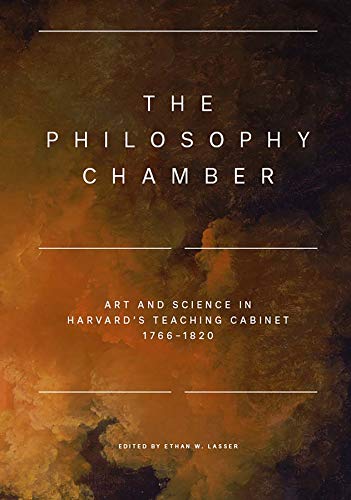
The Philosophy Chamber: Art and Science in Harvard's Teaching Cabinet, 1766?1820
Librería: Griffin Books, Stamford, CT, Estados Unidos de America
Calificación del vendedor: 5 de 5 estrellas
EUR 41,66
Envío por EUR 5,10
Se envía dentro de Estados Unidos de AmericaCantidad disponible: 1 disponibles
Añadir al carritoHardcover. Condición: New. Brand new still in publisher's shrink wrap. oversized and overweight. Please email for photos. Larger books or sets may require additional shipping charges. Books sent via US Postal.
-
Curious Species: How Animals Made Natural History
Librería: Majestic Books, Hounslow, Reino Unido
Calificación del vendedor: 4 de 5 estrellas
EUR 41,46
Envío por EUR 7,41
Se envía de Reino Unido a Estados Unidos de AmericaCantidad disponible: 3 disponibles
Añadir al carritoCondición: New.
-
Curious Species : How Animals Made Natural History
Librería: GreatBookPricesUK, Woodford Green, Reino Unido
Calificación del vendedor: 5 de 5 estrellas
EUR 34,57
Envío por EUR 17,10
Se envía de Reino Unido a Estados Unidos de AmericaCantidad disponible: Más de 20 disponibles
Añadir al carritoCondición: New.
-
Curious Species: How Animals Made Natural History
Librería: Ria Christie Collections, Uxbridge, Reino Unido
Calificación del vendedor: 5 de 5 estrellas
EUR 40,29
Envío por EUR 13,66
Se envía de Reino Unido a Estados Unidos de AmericaCantidad disponible: 2 disponibles
Añadir al carritoCondición: New. In.
-
Curious Species: How Animals Made Natural History
Idioma: Inglés
Publicado por Yale University Press 2024-01-23, 2024
ISBN 10: 0300266189 ISBN 13: 9780300266184
Librería: Chiron Media, Wallingford, Reino Unido
Calificación del vendedor: 5 de 5 estrellas
EUR 36,77
Envío por EUR 17,66
Se envía de Reino Unido a Estados Unidos de AmericaCantidad disponible: 2 disponibles
Añadir al carritoHardcover. Condición: New.
-
Curious Species : How Animals Made Natural History
Librería: GreatBookPricesUK, Woodford Green, Reino Unido
Calificación del vendedor: 5 de 5 estrellas
EUR 37,58
Envío por EUR 17,10
Se envía de Reino Unido a Estados Unidos de AmericaCantidad disponible: Más de 20 disponibles
Añadir al carritoCondición: As New. Unread book in perfect condition.
-
Curious Species: How Animals Made Natural History
Librería: Russell Books, Victoria, BC, Canada
Calificación del vendedor: 4 de 5 estrellas
EUR 39,41
Envío por EUR 17,00
Se envía de Canada a Estados Unidos de AmericaCantidad disponible: 3 disponibles
Añadir al carritohardcover. Condición: New. Special order direct from the distributor.
-
Curious Species How Animals Made Natural History
Librería: Revaluation Books, Exeter, Reino Unido
Calificación del vendedor: 5 de 5 estrellas
EUR 41,55
Envío por EUR 14,25
Se envía de Reino Unido a Estados Unidos de AmericaCantidad disponible: 2 disponibles
Añadir al carritoHardcover. Condición: Brand New. 320 pages. 9.00x6.50x1.00 inches. In Stock.
-
Curious Species: How Animals Made Natural History
Librería: Books Puddle, New York, NY, Estados Unidos de America
Calificación del vendedor: 4 de 5 estrellas
EUR 55,33
Envío por EUR 3,39
Se envía dentro de Estados Unidos de AmericaCantidad disponible: 3 disponibles
Añadir al carritoCondición: New.
-
Curious Species How Animals Made Natural History
Librería: Revaluation Books, Exeter, Reino Unido
Calificación del vendedor: 5 de 5 estrellas
EUR 50,95
Envío por EUR 14,25
Se envía de Reino Unido a Estados Unidos de AmericaCantidad disponible: 2 disponibles
Añadir al carritoHardcover. Condición: Brand New. 320 pages. 9.00x6.50x1.00 inches. In Stock.
-
Curious Species: How Animals Made Natural History
Librería: THE SAINT BOOKSTORE, Southport, Reino Unido
Calificación del vendedor: 5 de 5 estrellas
EUR 44,76
Envío por EUR 20,24
Se envía de Reino Unido a Estados Unidos de AmericaCantidad disponible: Más de 20 disponibles
Añadir al carritoHardback. Condición: New. New copy - Usually dispatched within 4 working days.
-
Curious Species (Hardcover)
Librería: AussieBookSeller, Truganina, VIC, Australia
Calificación del vendedor: 5 de 5 estrellas
EUR 44,05
Envío por EUR 31,46
Se envía de Australia a Estados Unidos de AmericaCantidad disponible: 1 disponibles
Añadir al carritoHardcover. Condición: new. Hardcover. A compelling and innovative exploration of how animals shaped the field of natural history and its ecological afterlives Can corals build worlds? Do rattlesnakes enchant? What is a raccoon, and what might it know? Animals and the questions they raised thwarted human efforts to master nature during the so-called Enlightenmenta historical moment when rigid classification pervaded the study of natural history, people traded in people, and imperial avarice wrapped its tentacles around the globe. Whitney Barlow Robles makes animals the unruly protagonists of eighteenth-century science through journeys to four spaces and ecological zones: the ocean, the underground, the curiosity cabinet, and the field. In doing so, she reveals a forgotten lineage of empirical inquiry, one that forced researchers to embrace uncertainty. This tumultuous era in the history of human-animal encounters haunts modern biologists and ecologists, who struggle to understand animals today. In an eclectic fusion of history and nature writing, Robles alternates between careful historical investigations and lively first-person narratives. These excavations of the past and present of distinctly different nonhuman creatures reveal the animal foundations of human knowledge and show why tackling our current environmental crisis first requires looking back in time. A compelling and innovative exploration of how animals shaped the birth of natural history and its ecological afterlives Shipping may be from our Sydney, NSW warehouse or from our UK or US warehouse, depending on stock availability.
-
Curious Species (Hardcover)
Librería: CitiRetail, Stevenage, Reino Unido
Calificación del vendedor: 5 de 5 estrellas
EUR 38,15
Envío por EUR 42,18
Se envía de Reino Unido a Estados Unidos de AmericaCantidad disponible: 1 disponibles
Añadir al carritoHardcover. Condición: new. Hardcover. A compelling and innovative exploration of how animals shaped the field of natural history and its ecological afterlives Can corals build worlds? Do rattlesnakes enchant? What is a raccoon, and what might it know? Animals and the questions they raised thwarted human efforts to master nature during the so-called Enlightenmenta historical moment when rigid classification pervaded the study of natural history, people traded in people, and imperial avarice wrapped its tentacles around the globe. Whitney Barlow Robles makes animals the unruly protagonists of eighteenth-century science through journeys to four spaces and ecological zones: the ocean, the underground, the curiosity cabinet, and the field. In doing so, she reveals a forgotten lineage of empirical inquiry, one that forced researchers to embrace uncertainty. This tumultuous era in the history of human-animal encounters haunts modern biologists and ecologists, who struggle to understand animals today. In an eclectic fusion of history and nature writing, Robles alternates between careful historical investigations and lively first-person narratives. These excavations of the past and present of distinctly different nonhuman creatures reveal the animal foundations of human knowledge and show why tackling our current environmental crisis first requires looking back in time. A compelling and innovative exploration of how animals shaped the birth of natural history and its ecological afterlives Shipping may be from our UK warehouse or from our Australian or US warehouses, depending on stock availability.
-

Curious Species : How Animals Made Natural History
Idioma: Inglés
Publicado por Yale University Press Nov 2023, 2023
ISBN 10: 0300266189 ISBN 13: 9780300266184
Librería: AHA-BUCH GmbH, Einbeck, Alemania
Calificación del vendedor: 5 de 5 estrellas
EUR 45,21
Envío por EUR 63,18
Se envía de Alemania a Estados Unidos de AmericaCantidad disponible: 2 disponibles
Añadir al carritoBuch. Condición: Neu. Neuware - A compelling and innovative exploration of how animals shaped the birth of natural history and its ecological afterlives.
-

Curious Species
Idioma: Inglés
Publicado por Yale University Press, US, 2024
ISBN 10: 0300266189 ISBN 13: 9780300266184
Librería: Rarewaves.com UK, London, Reino Unido
Calificación del vendedor: 5 de 5 estrellas
EUR 36,95
Envío por EUR 74,10
Se envía de Reino Unido a Estados Unidos de AmericaCantidad disponible: 17 disponibles
Añadir al carritoHardback. Condición: New. A compelling and innovative exploration of how animals shaped the field of natural history and its ecological afterlives Can corals build worlds? Do rattlesnakes enchant? What is a raccoon, and what might it know? Animals and the questions they raised thwarted human efforts to master nature during the so-called Enlightenment-a historical moment when rigid classification pervaded the study of natural history, people traded in people, and imperial avarice wrapped its tentacles around the globe. Whitney Barlow Robles makes animals the unruly protagonists of eighteenth-century science through journeys to four spaces and ecological zones: the ocean, the underground, the curiosity cabinet, and the field. Her forays reveal a forgotten lineage of empirical inquiry, one that forced researchers to embrace uncertainty. This tumultuous era in the history of human-animal encounters still haunts modern biologists and ecologists as they struggle to fathom animals today. In an eclectic fusion of history and nature writing, Robles alternates between careful historical investigations and probing personal narratives. These excavations of the past and present of distinct nonhuman creatures reveal the animal foundations of human knowledge and show why tackling our current environmental crisis first requires looking back in time.

