
Artículos relacionados a The Role of Intelligence in the Battle of Britain
Sinopsis
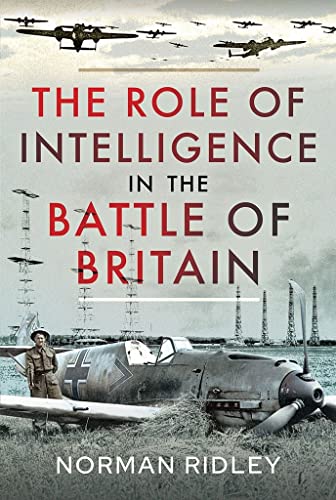
The Battle of Britain was fought between two airborne military elites and was a classic example of pure attack against pure defence. Though it was essentially a 'war of attrition', it was an engagement in which the gathering, assessment and reaction to intelligence played a significant role on both sides. In some respects, both the RAF and the Luftwaffe were hamstrung in their endeavours during the Battle of Britain by poor intelligence. The most egregious Luftwaffe blunder was its failure to appreciate the true nature of Fighter Command's operational systems and consequently it made fundamental strategic errors when evaluating its plans to degrade them. This was compounded by the Luftwaffe's Intelligence chief, Major Josef 'Beppo' Schmid, whose consistent underestimation of Fighter Command's capabilities had a huge negative impact upon Reichsmarschall Goering's decision-making at all stages of the conflict. Both the Luftwaffe and the RAF lacked detailed information about each other's war production capacity. While the Luftwaffe did have the benefit of pre-war aerial surveillance data it had been unable to update it significantly since the declaration of war in September 1939. Fighter Command did have an distinct advantage through its radar surveillance systems, but this was, in the early stages of the conflict at least, less than totally reliable and it was often difficult to interpret the data coming through due to the inexperience of many of its operators. Another promising source of intelligence was the interception of Luftwaffe communications. It is clear that the Luftwaffe was unable to use intelligence as a 'force multiplier', by concentrating resources effectively, and actually fell into a negative spiral where poor intelligence acted as a 'force diluter', thus wasting resources in strategically questionable areas. The British, despite being essentially unable to predict enemy intentions, did have the means, however imperfect, to respond quickly and effectively to each new strategic initiative rolled out by the Luftwaffe. The result of three years intensive research, in this book the author analyses the way in which both the British and German Intelligence services played a part in the Battle of Britain, thereby attempting to throw light on an aspect of the battle that has been hitherto underexposed to scrutiny.
"Sinopsis" puede pertenecer a otra edición de este libro.
Acerca del autor
NORMAN RIDLEY, an Open University Honours Graduate, sold his business and retired to devote himself to a study of the less well covered aspects of the Battle of Britain. He lives in the Channel Islands, surrounded by his family, and is a regular contributor to local media.
"Sobre este título" puede pertenecer a otra edición de este libro.
Resultados de la búsqueda para The Role of Intelligence in the Battle of Britain

Imagen de archivo
The Role of Intelligence in the Battle of Britain
Librería: WorldofBooks, Goring-By-Sea, WS, Reino Unido
Calificación del vendedor: 5 de 5 estrellas

Paperback. Condición: Very Good. The book has been read, but is in excellent condition. Pages are intact and not marred by notes or highlighting. The spine remains undamaged. Nº de ref. del artículo: GOR012166320
Comprar usado
EUR 7,99
Envío por EUR 6,54
Se envía de Reino Unido a Estados Unidos de America
Se envía de Reino Unido a Estados Unidos de America
Cantidad disponible: 5 disponibles
Imagen de archivo
The Role of Intelligence in the Battle of Britain
Publicado por
Pen & Sword Books Limited, 2021
ISBN 10: 1399010387
ISBN 13: 9781399010382
Antiguo o usado
Tapa dura
Librería: Better World Books Ltd, Dunfermline, Reino Unido
Calificación del vendedor: 5 de 5 estrellas
Condición: Good. Pages intact with minimal writing/highlighting. The binding may be loose and creased. Dust jackets/supplements are not included. Stock photo provided. Product includes identifying sticker. Better World Books: Buy Books. Do Good. Nº de ref. del artículo: 68116422-20
Comprar usado
EUR 11,36
Envío por EUR 5,84
Se envía de Reino Unido a Estados Unidos de America
Se envía de Reino Unido a Estados Unidos de America
Cantidad disponible: 1 disponibles
Imagen del vendedor
The Role of Intelligence in the Battle of Britain
Librería: Goodwill of Western and Northern CT, Bridgeport, CT, Estados Unidos de America
Calificación del vendedor: 4 de 5 estrellas

Condición: acceptable. All pages and the cover are intact, but shrink wrap, dust covers, or boxed set case may be missing. Pages may include limited notes, highlighting, or minor water damage but the text is readable. Item may be missing bundled media. Nº de ref. del artículo: WNCTV.1399010387.A
Comprar usado
EUR 20,10
Envío por EUR 2,59
Se envía dentro de Estados Unidos de America
Se envía dentro de Estados Unidos de America
Cantidad disponible: 1 disponibles
Imagen de archivo
ROLE OF INTELLIGENCE IN THE BATTLE OF BRITAIN
Librería: Naval and Military Press Ltd, Uckfield, Reino Unido
Calificación del vendedor: 4 de 5 estrellas
Condición: New. Hardback 288 pages Published Price £25 The Battle of Britain was fought between two airborne military elites and was a classic example of pure attack against pure defence. Though it was essentially a âwar of attritionâ, it was an engagement in which the gathering, assessment and reaction to intelligence played a significant role on both sides.In some respects, both the RAF and the Luftwaffe were hamstrung in their endeavours during the Battle of Britain by poor intelligence. The most egregious Luftwaffe blunder was its failure to appreciate the true nature of Fighter Commandâs operational systems and consequently it made fundamental strategic errors when evaluating its plans to degrade them. This was compounded by the Luftwaffeâs Intelligence chief, Major Josef âBeppoâ Schmid, whose consistent underestimation of Fighter Commandâs capabilities had a huge negative impact upon Reichsmarschall Gà ringâs decision-making at all stages of the conflict.Both the Luftwaffe and the RAF lacked detailed information about each otherâs war production capacity. While the Luftwaffe did have the benefit of pre-war aerial surveillance data it had been unable to update it significantly since the declaration of war in September 1939. Fighter Command did have an distinct advantage through its radar surveillance systems, but this was, in the early stages of the conflict at least, less than totally reliable and it was often difficult to interpret the data coming through due to the inexperience of many of its operators. Another promising source of intelligence was the interception of Luftwaffe communications. It is clear that the Luftwaffe was unable to use intelligence as a âforce multiplierâ, by concentrating resources effectively, and actually fell into a negative spiral where poor intelligence acted as a âforce diluterâ, thus wasting resources in strategically questionable areas. The British, despite being essentially unable to predict enemy intentions, did have the means, however imperfect, to respond quickly and effectively to each new strategic initiative rolled out by the Luftwaffe. Nº de ref. del artículo: 31474
Comprar nuevo
EUR 8,41
Envío por EUR 16,94
Se envía de Reino Unido a Estados Unidos de America
Se envía de Reino Unido a Estados Unidos de America
Cantidad disponible: 10 disponibles
Imagen de archivo
The Role of Intelligence in the Battle of Britain
Publicado por
Pen and Sword Books Ltd, 2021
ISBN 10: 1399010387
ISBN 13: 9781399010382
Nuevo
Tapa dura
Librería: PBShop.store US, Wood Dale, IL, Estados Unidos de America
Calificación del vendedor: 5 de 5 estrellas
HRD. Condición: New. New Book. Shipped from UK. Established seller since 2000. Nº de ref. del artículo: GB-9781399010382
Comprar nuevo
EUR 29,93
Gastos de envío gratis
Se envía dentro de Estados Unidos de America
Se envía dentro de Estados Unidos de America
Cantidad disponible: 3 disponibles
Imagen de archivo
The Role of Intelligence in the Battle of Britain
Librería: Books From California, Simi Valley, CA, Estados Unidos de America
Calificación del vendedor: 4 de 5 estrellas
hardcover. Condición: Fine. Nº de ref. del artículo: mon0003255983
Comprar usado
EUR 28,03
Envío por EUR 4,31
Se envía dentro de Estados Unidos de America
Se envía dentro de Estados Unidos de America
Cantidad disponible: 3 disponibles
Imagen de archivo
The Role of Intelligence in the Battle of Britain
Publicado por
Pen and Sword Books Ltd, 2021
ISBN 10: 1399010387
ISBN 13: 9781399010382
Nuevo
Tapa dura
Librería: PBShop.store UK, Fairford, GLOS, Reino Unido
Calificación del vendedor: 5 de 5 estrellas
HRD. Condición: New. New Book. Shipped from UK. Established seller since 2000. Nº de ref. del artículo: GB-9781399010382
Comprar nuevo
EUR 25,69
Envío por EUR 6,86
Se envía de Reino Unido a Estados Unidos de America
Se envía de Reino Unido a Estados Unidos de America
Cantidad disponible: 3 disponibles
Imagen del vendedor
The Role of Intelligence in the Battle of Britain (Hardcover)
Publicado por
Pen & Sword Books Ltd, Barnsley, 2021
ISBN 10: 1399010387
ISBN 13: 9781399010382
Nuevo
Tapa dura
Librería: Grand Eagle Retail, Bensenville, IL, Estados Unidos de America
Calificación del vendedor: 5 de 5 estrellas
Hardcover. Condición: new. Hardcover. The Battle of Britain was fought between two airborne military elites and was a classic example of pure attack against pure defence. Though it was essentially a 'war of attrition', it was an engagement in which the gathering, assessment and reaction to intelligence played a significant role on both sides. In some respects, both the RAF and the Luftwaffe were hamstrung in their endeavours during the Battle of Britain by poor intelligence. The most egregious Luftwaffe blunder was its failure to appreciate the true nature of Fighter Command's operational systems and consequently it made fundamental strategic errors when evaluating its plans to degrade them. This was compounded by the Luftwaffe's Intelligence chief, Major Josef 'Beppo' Schmid, whose consistent underestimation of Fighter Command's capabilities had a huge negative impact upon Reichsmarschall Goering's decision-making at all stages of the conflict. Both the Luftwaffe and the RAF lacked detailed information about each other's war production capacity. While the Luftwaffe did have the benefit of pre-war aerial surveillance data it had been unable to update it significantly since the declaration of war in September 1939. Fighter Command did have an distinct advantage through its radar surveillance systems, but this was, in the early stages of the conflict at least, less than totally reliable and it was often difficult to interpret the data coming through due to the inexperience of many of its operators. Another promising source of intelligence was the interception of Luftwaffe communications. It is clear that the Luftwaffe was unable to use intelligence as a 'force multiplier', by concentrating resources effectively, and actually fell into a negative spiral where poor intelligence acted as a 'force diluter', thus wasting resources in strategically questionable areas. The British, despite being essentially unable to predict enemy intentions, did have the means, however imperfect, to respond quickly and effectively to each new strategic initiative rolled out by the Luftwaffe. The result of three years intensive research, in this book the author analyses the way in which both the British and German Intelligence services played a part in the Battle of Britain, thereby attempting to throw light on an aspect of the battle that has been hitherto underexposed to scrutiny. AUTHOR: Norman Ridley, an Open University Honours Graduate, sold his business and retired to devote himself to a study of the less well covered aspects of the Battle of Britain. He lives in the Channel Islands, surrounded by his family, and is a regular contributor to local media. The author analyses the way in which both the British and German Intelligence services played a part in the Battle of Britain. Shipping may be from multiple locations in the US or from the UK, depending on stock availability. Nº de ref. del artículo: 9781399010382
Comprar nuevo
EUR 33,14
Gastos de envío gratis
Se envía dentro de Estados Unidos de America
Se envía dentro de Estados Unidos de America
Cantidad disponible: 1 disponibles
Imagen del vendedor
The Role of Intelligence in the Battle of Britain
Publicado por
Pen and Sword Books Ltd, GB, 2021
ISBN 10: 1399010387
ISBN 13: 9781399010382
Nuevo
Tapa dura
Librería: Rarewaves.com USA, London, LONDO, Reino Unido
Calificación del vendedor: 5 de 5 estrellas
Hardback. Condición: New. The Battle of Britain was fought between two airborne military elites and was a classic example of pure attack against pure defence. Though it was essentially a 'war of attrition', it was an engagement in which the gathering, assessment and reaction to intelligence played a significant role on both sides.In some respects, both the RAF and the Luftwaffe were hamstrung in their endeavours during the Battle of Britain by poor intelligence. The most egregious Luftwaffe blunder was its failure to appreciate the true nature of Fighter Command's operational systems and consequently it made fundamental strategic errors when evaluating its plans to degrade them. This was compounded by the Luftwaffe's Intelligence chief, Major Josef 'Beppo' Schmid, whose consistent underestimation of Fighter Command's capabilities had a huge negative impact upon Reichsmarschall Goering's decision-making at all stages of the conflict.Both the Luftwaffe and the RAF lacked detailed information about each other's war production capacity. While the Luftwaffe did have the benefit of pre-war aerial surveillance data it had been unable to update it significantly since the declaration of war in September 1939. Fighter Command did have an distinct advantage through its radar surveillance systems, but this was, in the early stages of the conflict at least, less than totally reliable and it was often difficult to interpret the data coming through due to the inexperience of many of its operators. Another promising source of intelligence was the interception of Luftwaffe communications. It is clear that the Luftwaffe was unable to use intelligence as a 'force multiplier', by concentrating resources effectively, and actually fell into a negative spiral where poor intelligence acted as a 'force diluter', thus wasting resources in strategically questionable areas. The British, despite being essentially unable to predict enemy intentions, did have the means, however imperfect, to respond quickly and effectively to each new strategic initiative rolled out by the Luftwaffe.The result of three years intensive research, in this book the author analyses the way in which both the British and German Intelligence services played a part in the Battle of Britain, thereby attempting to throw light on an aspect of the battle that has been hitherto underexposed to scrutiny. Nº de ref. del artículo: LU-9781399010382
Comprar nuevo
EUR 34,02
Gastos de envío gratis
Se envía de Reino Unido a Estados Unidos de America
Se envía de Reino Unido a Estados Unidos de America
Cantidad disponible: 2 disponibles
Imagen del vendedor
The Role of Intelligence in the Battle of Britain
Publicado por
Pen and Sword Books Ltd, GB, 2021
ISBN 10: 1399010387
ISBN 13: 9781399010382
Nuevo
Tapa dura
Librería: Rarewaves USA, HEBRON, KY, Estados Unidos de America
Calificación del vendedor: 5 de 5 estrellas
Hardback. Condición: New. The Battle of Britain was fought between two airborne military elites and was a classic example of pure attack against pure defence. Though it was essentially a 'war of attrition', it was an engagement in which the gathering, assessment and reaction to intelligence played a significant role on both sides.In some respects, both the RAF and the Luftwaffe were hamstrung in their endeavours during the Battle of Britain by poor intelligence. The most egregious Luftwaffe blunder was its failure to appreciate the true nature of Fighter Command's operational systems and consequently it made fundamental strategic errors when evaluating its plans to degrade them. This was compounded by the Luftwaffe's Intelligence chief, Major Josef 'Beppo' Schmid, whose consistent underestimation of Fighter Command's capabilities had a huge negative impact upon Reichsmarschall Goering's decision-making at all stages of the conflict.Both the Luftwaffe and the RAF lacked detailed information about each other's war production capacity. While the Luftwaffe did have the benefit of pre-war aerial surveillance data it had been unable to update it significantly since the declaration of war in September 1939. Fighter Command did have an distinct advantage through its radar surveillance systems, but this was, in the early stages of the conflict at least, less than totally reliable and it was often difficult to interpret the data coming through due to the inexperience of many of its operators. Another promising source of intelligence was the interception of Luftwaffe communications. It is clear that the Luftwaffe was unable to use intelligence as a 'force multiplier', by concentrating resources effectively, and actually fell into a negative spiral where poor intelligence acted as a 'force diluter', thus wasting resources in strategically questionable areas. The British, despite being essentially unable to predict enemy intentions, did have the means, however imperfect, to respond quickly and effectively to each new strategic initiative rolled out by the Luftwaffe.The result of three years intensive research, in this book the author analyses the way in which both the British and German Intelligence services played a part in the Battle of Britain, thereby attempting to throw light on an aspect of the battle that has been hitherto underexposed to scrutiny. Nº de ref. del artículo: LU-9781399010382
Comprar nuevo
EUR 34,39
Gastos de envío gratis
Se envía dentro de Estados Unidos de America
Se envía dentro de Estados Unidos de America
Cantidad disponible: 2 disponibles