
Artículos relacionados a Olympian Odes. Pythian Odes: 56 (Loeb Classical Library)
Olympian Odes. Pythian Odes: 56 (Loeb Classical Library) - Tapa dura
Libro 2 de 2: Loeb Classical Library: Pindar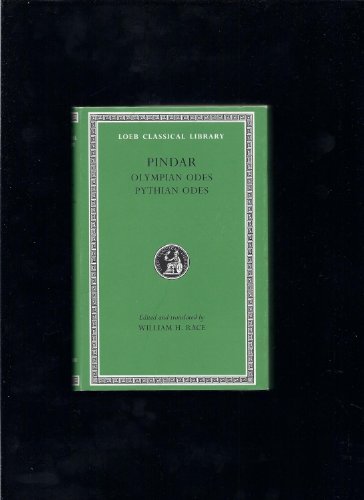
Sinopsis
The preeminent lyric poet of ancient Greece.
Of the Greek lyric poets, Pindar (ca. 518–438 BC) was “by far the greatest for the magnificence of his inspiration” in Quintilian’s view; Horace judged him “sure to win Apollo’s laurels.” The esteem of the ancients may help explain why a good portion of his work was carefully preserved. Most of the Greek lyric poets come down to us only in bits and pieces, but nearly a quarter of Pindar’s poems survive complete. William H. Race now brings us, in two volumes, a new edition and translation of the four books of victory odes, along with surviving fragments of Pindar’s other poems.
Like Simonides and Bacchylides, Pindar wrote elaborate odes in honor of prize-winning athletes for public performance by singers, dancers, and musicians. His forty-five victory odes celebrate triumphs in athletic contests at the four great Panhellenic festivals: the Olympic, Pythian (at Delphi), Nemean, and Isthmian games. In these complex poems, Pindar commemorates the achievement of athletes and powerful rulers against the backdrop of divine favor, human failure, heroic legend, and the moral ideals of aristocratic Greek society. Readers have long savored them for their rich poetic language and imagery, moral maxims, and vivid portrayals of sacred myths.
Race provides brief introductions to each ode and full explanatory footnotes, offering the reader invaluable guidance to these often difficult poems. His Loeb Pindar also contains a helpfully annotated edition and translation of significant fragments, including hymns, paeans, dithyrambs, maiden songs, and dirges.
"Sinopsis" puede pertenecer a otra edición de este libro.
Acerca del autor
William H. Race is Paddison Professor of Classics, Emeritus, at the University of North Carolina at Chapel Hill.
"Sobre este título" puede pertenecer a otra edición de este libro.
Resultados de la búsqueda para Olympian Odes. Pythian Odes: 56 (Loeb Classical Library)

Imagen de archivo
Olympian Odes. Pythian Odes (Loeb Classical Library 56)
Publicado por
Harvard University Press, 1997
ISBN 10: 0674995643
ISBN 13: 9780674995642
Antiguo o usado
Tapa dura
Librería: WorldofBooks, Goring-By-Sea, WS, Reino Unido
Calificación del vendedor: 5 de 5 estrellas

Hardback. Condición: Fair. A readable copy of the book which may include some defects such as highlighting and notes. Cover and pages may be creased and show discolouration. Nº de ref. del artículo: GOR015054782
Comprar usado
EUR 18,25
Envío por EUR 6,55
Se envía de Reino Unido a Estados Unidos de America
Se envía de Reino Unido a Estados Unidos de America
Cantidad disponible: 1 disponibles
Imagen de archivo
Olympian Odes. Pythian Odes
Publicado por
Harvard University Press, 1997
ISBN 10: 0674995643
ISBN 13: 9780674995642
Antiguo o usado
Tapa dura
Librería: 3rd St. Books, Lees Summit, MO, Estados Unidos de America
Calificación del vendedor: 5 de 5 estrellas
Hardcover. Condición: Very Good. Estado de la sobrecubierta: Very Good. Very good, clean, tight condition. Greek/English text. Text free of marks. Professional book dealer since 1999. All orders are processed promptly and carefully packaged with tracking. Nº de ref. del artículo: 098277
Comprar usado
EUR 21,36
Envío por EUR 6,04
Se envía dentro de Estados Unidos de America
Se envía dentro de Estados Unidos de America
Cantidad disponible: 1 disponibles
Imagen de archivo
Olympian Odes. Pythian Odes
Publicado por
Harvard University Press, 1997
ISBN 10: 0674995643
ISBN 13: 9780674995642
Antiguo o usado
Tapa dura
Librería: World of Books (was SecondSale), Montgomery, IL, Estados Unidos de America
Calificación del vendedor: 5 de 5 estrellas
Condición: Good. Item in good condition. Textbooks may not include supplemental items i.e. CDs, access codes etc. Nº de ref. del artículo: 00102734762
Comprar usado
EUR 27,57
Gastos de envío gratis
Se envía dentro de Estados Unidos de America
Se envía dentro de Estados Unidos de America
Cantidad disponible: 3 disponibles
Imagen de archivo
PINDAR: OLYMPIAN ODES, PYTHIAN ODES
Publicado por
Harvard University Press, 2012
ISBN 10: 0674995643
ISBN 13: 9780674995642
Antiguo o usado
Tapa dura
Librería: Ancient World Books, Toronto, ON, Canada
Calificación del vendedor: 5 de 5 estrellas
Hardcover. Condición: Near Fine. Estado de la sobrecubierta: Very Good. Underlining in pencil to a couple of pages. Small chip to 1 corner of DJ.; Loeb Classical Library No. 56; 385 pages; Of the Greek lyric poets, Pindar (ca. 518-438 BCE) was "by far the greatest for the magnificence of his inspiration" in Quintilian's view; Horace judged him "sure to win Apollo's laurels." The esteem of the ancients may help explain why a good portion of his work was carefully preserved. Most of the Greek lyric poets come down to us only in bits and pieces, but nearly a quarter of Pindar's poems survive complete. William H. Race now brings us, in two volumes, a new edition and translation of the four books of victory odes, along with surviving fragments of Pindar's other poems. Like Simonides and Bacchylides, Pindar wrote elaborate odes in honor of prize-winning athletes for public performance by singers, dancers, and musicians. His forty-five victory odes celebrate triumphs in athletic contests at the four great Panhellenic festivals: the Olympic, Pythian (at Delphi) , Nemean, and Isthmian games. In these complex poems, Pindar commemorates the achievement of athletes and powerful rulers against the backdrop of divine favor, human failure, heroic legend, and the moral ideals of aristocratic Greek society. Readers have long savored them for their rich poetic language and imagery, moral maxims, and vivid portrayals of sacred myths. Race provides brief introductions to each ode and full explanatory footnotes, offering the reader invaluable guidance to these often difficult poems. His new Loeb Pindar also contains a helpfully annotated edition and translation of significant fragments, including hymns, paeans, dithyrambs, maiden songs, and dirges. Nº de ref. del artículo: 43472
Comprar usado
EUR 21,36
Envío por EUR 6,48
Se envía de Canada a Estados Unidos de America
Se envía de Canada a Estados Unidos de America
Cantidad disponible: 1 disponibles
Imagen de archivo
Pindar : Olympian Odes, Pythian Odes
Publicado por
Harvard University Press, 1997
ISBN 10: 0674995643
ISBN 13: 9780674995642
Nuevo
Tapa dura
Librería: GreatBookPrices, Columbia, MD, Estados Unidos de America
Calificación del vendedor: 5 de 5 estrellas
Condición: New. Nº de ref. del artículo: 595929-n
Comprar nuevo
EUR 28,93
Envío por EUR 2,28
Se envía dentro de Estados Unidos de America
Se envía dentro de Estados Unidos de America
Cantidad disponible: 11 disponibles
Imagen de archivo
Olympian Odes. Pythian Odes
Publicado por
Harvard University Press, 1997
ISBN 10: 0674995643
ISBN 13: 9780674995642
Antiguo o usado
Tapa dura
Librería: Better World Books, Mishawaka, IN, Estados Unidos de America
Calificación del vendedor: 5 de 5 estrellas
Condición: Very Good. Pages intact with possible writing/highlighting. Binding strong with minor wear. Dust jackets/supplements may not be included. Stock photo provided. Product includes identifying sticker. Better World Books: Buy Books. Do Good. Nº de ref. del artículo: 6219398-20
Comprar usado
EUR 31,27
Gastos de envío gratis
Se envía dentro de Estados Unidos de America
Se envía dentro de Estados Unidos de America
Cantidad disponible: 1 disponibles
Imagen del vendedor
Olympian Odes. Pythian Odes (Hardcover)
Publicado por
Harvard University Press, Cambridge, Mass, 1997
ISBN 10: 0674995643
ISBN 13: 9780674995642
Nuevo
Tapa dura
Librería: Grand Eagle Retail, Bensenville, IL, Estados Unidos de America
Calificación del vendedor: 5 de 5 estrellas
Hardcover. Condición: new. Hardcover. Of the Greek lyric poets, Pindar (ca. 518-438 BCE) was "by far the greatest for the magnificence of his inspiration" in Quintilian's view; Horace judged him "sure to win Apollo's laurels." The esteem of the ancients may help explain why a good portion of his work was carefully preserved. Most of the Greek lyric poets come down to us only in bits and pieces, but nearly a quarter of Pindar's poems survive complete. William H. Race now brings us, in two volumes, a new edition and translation of the four books of victory odes, along with surviving fragments of Pindar's other poems.Like Simonides and Bacchylides, Pindar wrote elaborate odes in honor of prize-winning athletes for public performance by singers, dancers, and musicians. His forty-five victory odes celebrate triumphs in athletic contests at the four great Panhellenic festivals: the Olympic, Pythian (at Delphi), Nemean, and Isthmian games. In these complex poems, Pindar commemorates the achievement of athletes and powerful rulers against the backdrop of divine favor, human failure, heroic legend, and the moral ideals of aristocratic Greek society. Readers have long savored them for their rich poetic language and imagery, moral maxims, and vivid portrayals of sacred myths.Race provides brief introductions to each ode and full explanatory footnotes, offering the reader invaluable guidance to these often difficult poems. His new Loeb Pindar also contains a helpfully annotated edition and translation of significant fragments, including hymns, paeans, dithyrambs, maiden songs, and dirges. Pindar (ca. 518438 BC), esteemed lyric poet, commemorates in complex verse the achievements of athletes and powerful rulers at the four great Panhellenic festivalsthe Olympic, Pythian, Nemean, and Isthmian gamesagainst a backdrop of divine favor, human failure, heroic legend, and aristocratic ambition. Shipping may be from multiple locations in the US or from the UK, depending on stock availability. Nº de ref. del artículo: 9780674995642
Comprar nuevo
EUR 31,28
Gastos de envío gratis
Se envía dentro de Estados Unidos de America
Se envía dentro de Estados Unidos de America
Cantidad disponible: 1 disponibles
Imagen del vendedor
Olympian Odes. Pythian Odes
Publicado por
Harvard University Press, US, 1997
ISBN 10: 0674995643
ISBN 13: 9780674995642
Nuevo
Tapa dura
Librería: Rarewaves.com USA, London, LONDO, Reino Unido
Calificación del vendedor: 5 de 5 estrellas
Hardback. Condición: New. The preeminent lyric poet of ancient Greece.Of the Greek lyric poets, Pindar (ca. 518-438 BC) was "by far the greatest for the magnificence of his inspiration" in Quintilian's view; Horace judged him "sure to win Apollo's laurels." The esteem of the ancients may help explain why a good portion of his work was carefully preserved. Most of the Greek lyric poets come down to us only in bits and pieces, but nearly a quarter of Pindar's poems survive complete. William H. Race now brings us, in two volumes, a new edition and translation of the four books of victory odes, along with surviving fragments of Pindar's other poems.Like Simonides and Bacchylides, Pindar wrote elaborate odes in honor of prize-winning athletes for public performance by singers, dancers, and musicians. His forty-five victory odes celebrate triumphs in athletic contests at the four great Panhellenic festivals: the Olympic, Pythian (at Delphi), Nemean, and Isthmian games. In these complex poems, Pindar commemorates the achievement of athletes and powerful rulers against the backdrop of divine favor, human failure, heroic legend, and the moral ideals of aristocratic Greek society. Readers have long savored them for their rich poetic language and imagery, moral maxims, and vivid portrayals of sacred myths.Race provides brief introductions to each ode and full explanatory footnotes, offering the reader invaluable guidance to these often difficult poems. His Loeb Pindar also contains a helpfully annotated edition and translation of significant fragments, including hymns, paeans, dithyrambs, maiden songs, and dirges. Nº de ref. del artículo: LU-9780674995642
Comprar nuevo
EUR 31,46
Gastos de envío gratis
Se envía de Reino Unido a Estados Unidos de America
Se envía de Reino Unido a Estados Unidos de America
Cantidad disponible: 6 disponibles
Imagen de archivo
Olympian Odes. Pythian Odes
Publicado por
Harvard University Press, 1997
ISBN 10: 0674995643
ISBN 13: 9780674995642
Nuevo
Tapa dura
Librería: PBShop.store US, Wood Dale, IL, Estados Unidos de America
Calificación del vendedor: 5 de 5 estrellas
HRD. Condición: New. New Book. Shipped from UK. Established seller since 2000. Nº de ref. del artículo: WL-9780674995642
Comprar nuevo
EUR 31,67
Gastos de envío gratis
Se envía dentro de Estados Unidos de America
Se envía dentro de Estados Unidos de America
Cantidad disponible: 15 disponibles
Imagen de archivo
Olympian Odes. Pythian Odes
Publicado por
Harvard University Press, 1997
ISBN 10: 0674995643
ISBN 13: 9780674995642
Nuevo
Tapa dura
Librería: PBShop.store UK, Fairford, GLOS, Reino Unido
Calificación del vendedor: 5 de 5 estrellas
HRD. Condición: New. New Book. Shipped from UK. Established seller since 2000. Nº de ref. del artículo: WL-9780674995642
Comprar nuevo
EUR 31,63
Envío por EUR 4,87
Se envía de Reino Unido a Estados Unidos de America
Se envía de Reino Unido a Estados Unidos de America
Cantidad disponible: 11 disponibles