
Importe total (1 artículo artículos):
Destino del pedido:

9781599475899 - The Black Boom (New Threats to Freedom Series) de Riley, Jason L. (28 resultados)
Ir a los resultados principales
Filtros de búsqueda
Tipo de artículo
- Todos los tipos de productos
- Libros (28)
- Revistas y publicaciones (No hay ningún otro resultado que coincida con este filtro.)
- Cómics (No hay ningún otro resultado que coincida con este filtro.)
- Partituras (No hay ningún otro resultado que coincida con este filtro.)
- Arte, grabados y pósters (No hay ningún otro resultado que coincida con este filtro.)
- Fotografías (No hay ningún otro resultado que coincida con este filtro.)
- Mapas (No hay ningún otro resultado que coincida con este filtro.)
- Manuscritos y coleccionismo de papel (No hay ningún otro resultado que coincida con este filtro.)
Condición Más información
Encuadernación
- Todas
- Tapa dura (No hay ningún otro resultado que coincida con este filtro.)
- Tapa blanda (27)
Más atributos
- Primera edición (No hay ningún otro resultado que coincida con este filtro.)
- Firmado (No hay ningún otro resultado que coincida con este filtro.)
- Sobrecubierta (No hay ningún otro resultado que coincida con este filtro.)
- Con imágenes (7)
- No impresión bajo demanda (28)
Idioma (2)
Precio
- Cualquier precio
- Menos de EUR 20
- EUR 20 a EUR 40
- Más de EUR 40 (No hay ningún otro resultado que coincida con este filtro.)
Gastos de envío gratis
Ubicación del vendedor
Valoración de los vendedores
-
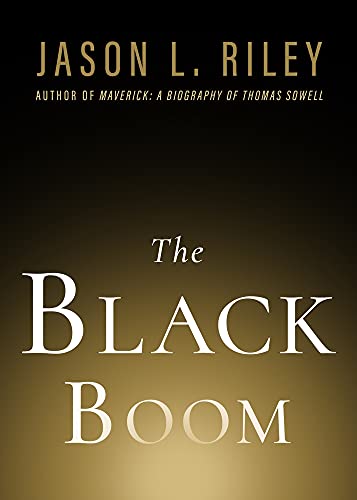
The Black Boom (New Threats to Freedom Series)
Libro 7 de 8: New Threats to FreedomLibrería: Orion Tech, Kingwood, TX, Estados Unidos de America
Calificación del vendedor: 5 de 5 estrellas

EUR 5,34
Gastos de envío gratis
Se envía dentro de Estados Unidos de AmericaCantidad disponible: 1 disponibles
Añadir al carritopaperback. Condición: Good.
-

The Black Boom (New Threats to Freedom Series)
Libro 7 de 8: New Threats to FreedomLibrería: Goodwill, Brooklyn Park, MN, Estados Unidos de America
Calificación del vendedor: 4 de 5 estrellas

EUR 2,06
Envío por EUR 3,37
Se envía dentro de Estados Unidos de AmericaCantidad disponible: 1 disponibles
Añadir al carritoCondición: good. Cover Case has some rubbing and edgewear. Access codes, CD's, slipcovers and other accessories may not be included.
-
The Black Boom
Libro 7 de 8: New Threats to FreedomLibrería: ThriftBooks-Phoenix, Phoenix, AZ, Estados Unidos de America
Calificación del vendedor: 5 de 5 estrellas
EUR 5,55
Gastos de envío gratis
Se envía dentro de Estados Unidos de AmericaCantidad disponible: 1 disponibles
Añadir al carritoPaperback. Condición: As New. No Jacket. Pages are clean and are not marred by notes or folds of any kind. ~ ThriftBooks: Read More, Spend Less.
-
The Black Boom
Libro 7 de 8: New Threats to FreedomLibrería: ThriftBooks-Atlanta, AUSTELL, GA, Estados Unidos de America
Calificación del vendedor: 5 de 5 estrellas
EUR 5,55
Gastos de envío gratis
Se envía dentro de Estados Unidos de AmericaCantidad disponible: 1 disponibles
Añadir al carritoPaperback. Condición: As New. No Jacket. Pages are clean and are not marred by notes or folds of any kind. ~ ThriftBooks: Read More, Spend Less.
-
The Black Boom
Libro 7 de 8: New Threats to FreedomLibrería: ThriftBooks-Atlanta, AUSTELL, GA, Estados Unidos de America
Calificación del vendedor: 5 de 5 estrellas
EUR 5,55
Gastos de envío gratis
Se envía dentro de Estados Unidos de AmericaCantidad disponible: 1 disponibles
Añadir al carritoPaperback. Condición: Very Good. No Jacket. Former library book; May have limited writing in cover pages. Pages are unmarked. ~ ThriftBooks: Read More, Spend Less.
-
The Black Boom
Libro 7 de 8: New Threats to FreedomLibrería: ThriftBooks-Dallas, Dallas, TX, Estados Unidos de America
Calificación del vendedor: 5 de 5 estrellas
EUR 5,55
Gastos de envío gratis
Se envía dentro de Estados Unidos de AmericaCantidad disponible: 1 disponibles
Añadir al carritoPaperback. Condición: Very Good. No Jacket. Former library book; May have limited writing in cover pages. Pages are unmarked. ~ ThriftBooks: Read More, Spend Less.
-
The Black Boom (New Threats to Freedom Series)
Libro 7 de 8: New Threats to FreedomLibrería: HPB-Ruby, Dallas, TX, Estados Unidos de America
Calificación del vendedor: 5 de 5 estrellas
EUR 2,83
Envío por EUR 3,16
Se envía dentro de Estados Unidos de AmericaCantidad disponible: 1 disponibles
Añadir al carritopaperback. Condición: Very Good. Connecting readers with great books since 1972! Used books may not include companion materials, and may have some shelf wear or limited writing. We ship orders daily and Customer Service is our top priority!
-
The Black Boom
Libro 7 de 8: New Threats to FreedomLibrería: Better World Books: West, Reno, NV, Estados Unidos de America
Calificación del vendedor: 5 de 5 estrellas
EUR 6,37
Gastos de envío gratis
Se envía dentro de Estados Unidos de AmericaCantidad disponible: 1 disponibles
Añadir al carritoCondición: Good. Former library copy. Pages intact with minimal writing/highlighting. The binding may be loose and creased. Dust jackets/supplements are not included. Includes library markings. Stock photo provided. Product includes identifying sticker. Better World Books: Buy Books. Do Good.
-
The Black Boom
Libro 7 de 8: New Threats to FreedomLibrería: Better World Books, Mishawaka, IN, Estados Unidos de America
Calificación del vendedor: 5 de 5 estrellas
EUR 6,37
Gastos de envío gratis
Se envía dentro de Estados Unidos de AmericaCantidad disponible: 1 disponibles
Añadir al carritoCondición: Good. Pages intact with minimal writing/highlighting. The binding may be loose and creased. Dust jackets/supplements are not included. Stock photo provided. Product includes identifying sticker. Better World Books: Buy Books. Do Good.
-
The Black Boom
Libro 7 de 8: New Threats to FreedomLibrería: Better World Books: West, Reno, NV, Estados Unidos de America
Calificación del vendedor: 5 de 5 estrellas
EUR 6,37
Gastos de envío gratis
Se envía dentro de Estados Unidos de AmericaCantidad disponible: 1 disponibles
Añadir al carritoCondición: Fine. Used book that is in almost brand-new condition. May contain a remainder mark. Better World Books: Buy Books. Do Good.
-
The Black Boom
Libro 7 de 8: New Threats to FreedomLibrería: Better World Books, Mishawaka, IN, Estados Unidos de America
Calificación del vendedor: 5 de 5 estrellas
EUR 6,37
Gastos de envío gratis
Se envía dentro de Estados Unidos de AmericaCantidad disponible: 1 disponibles
Añadir al carritoCondición: Very Good. Pages intact with possible writing/highlighting. Binding strong with minor wear. Dust jackets/supplements may not be included. Stock photo provided. Product includes identifying sticker. Better World Books: Buy Books. Do Good.
-
The Black Boom (New Threats to Freedom Series)
Libro 7 de 8: New Threats to FreedomLibrería: Midtown Scholar Bookstore, Harrisburg, PA, Estados Unidos de America
Calificación del vendedor: 5 de 5 estrellas
EUR 2,08
Envío por EUR 5,06
Se envía dentro de Estados Unidos de AmericaCantidad disponible: Más de 20 disponibles
Añadir al carritopaperback. Condición: Very Good. Very Good - Crisp, clean, unread book with some shelfwear/edgewear, may have a remainder mark - NICE PAPERBACK Standard-sized.
-
The Black Boom (New Threats to Freedom Series)
Libro 7 de 8: New Threats to FreedomLibrería: Midtown Scholar Bookstore, Harrisburg, PA, Estados Unidos de America
Calificación del vendedor: 5 de 5 estrellas
EUR 2,38
Envío por EUR 5,06
Se envía dentro de Estados Unidos de AmericaCantidad disponible: 1 disponibles
Añadir al carritopaperback. Condición: Acceptable. Acceptable - This is a significantly damaged book. It should be considered a reading copy only. Please order this book only if you are interested in the content and not the condition. May be ex-library. PAPERBACK Standard-sized.
-
The Black Boom (New Threats to Freedom Series)
Libro 7 de 8: New Threats to FreedomLibrería: Midtown Scholar Bookstore, Harrisburg, PA, Estados Unidos de America
Calificación del vendedor: 5 de 5 estrellas
EUR 3,41
Envío por EUR 5,06
Se envía dentro de Estados Unidos de AmericaCantidad disponible: Más de 20 disponibles
Añadir al carritopaperback. Condición: Good. Good - Bumped and creased book with tears to the extremities, but not affecting the text block, may have remainder mark or previous owner's name - GOOD Good - Bumped and creased book with tears to the extremities, but not affecting the text block, may have remainder mark or previous owner's name - GOOD PAPERBACK Standard-sized.
-
The Black Boom (New Threats to Freedom Series)
Libro 7 de 8: New Threats to FreedomLibrería: HPB-Diamond, Dallas, TX, Estados Unidos de America
Calificación del vendedor: 5 de 5 estrellas
EUR 5,64
Envío por EUR 3,16
Se envía dentro de Estados Unidos de AmericaCantidad disponible: 1 disponibles
Añadir al carritopaperback. Condición: Very Good. Connecting readers with great books since 1972! Used books may not include companion materials, and may have some shelf wear or limited writing. We ship orders daily and Customer Service is our top priority!
-
The Black Boom (New Threats to Freedom Series)
Libro 7 de 8: New Threats to FreedomLibrería: WorldofBooks, Goring-By-Sea, WS, Reino Unido
Calificación del vendedor: 5 de 5 estrellas
EUR 2,65
Envío por EUR 6,47
Se envía de Reino Unido a Estados Unidos de AmericaCantidad disponible: 1 disponibles
Añadir al carritoPaperback. Condición: Very Good. The book has been read, but is in excellent condition. Pages are intact and not marred by notes or highlighting. The spine remains undamaged.
-
The Black Boom (New Threats to Freedom Series)
Libro 7 de 8: New Threats to FreedomIdioma: Inglés
Publicado por Templeton Press February 2022, 2022
ISBN 10: 1599475898 ISBN 13: 9781599475899
Librería: Eagle Eye Books, Decatur, GA, Estados Unidos de America
Calificación del vendedor: 4 de 5 estrellas
EUR 7,43
Envío por EUR 3,37
Se envía dentro de Estados Unidos de AmericaCantidad disponible: 1 disponibles
Añadir al carritoPaper Back. Condición: TRK.
-
The Black Boom (Paperback)
Libro 7 de 8: New Threats to FreedomIdioma: Inglés
Publicado por Templeton Foundation Press,U.S., Radnor, 2022
ISBN 10: 1599475898 ISBN 13: 9781599475899
Librería: Grand Eagle Retail, Bensenville, IL, Estados Unidos de America
Calificación del vendedor: 5 de 5 estrellas
EUR 15,43
Gastos de envío gratis
Se envía dentro de Estados Unidos de AmericaCantidad disponible: 1 disponibles
Añadir al carritoPaperback. Condición: new. Paperback. Economic inequality continues to be one of Americas most hotly debated topics. Still, there has been relatively little discussion of the fact that black-white gaps in joblessness, income, poverty and other measures were shrinking before the pandemic. Why was it happening, and why did this phenomenon go unacknowledged by so much media? In The Black Boom, Jason L. Riley-acclaimed Wall Street Journal columnist and senior fellow at the Manhattan Institute-digs into the data and concludes that the economic lives of black people improved significantly under policies put into place during the Trump administration. To acknowledge as much is not to endorse the 45th president but to champion policies that achieve a clear moral objective shared by most Americans. Riley argues that before the Covid-19 pandemic of 2020, the economic fortunes of blacks improved under Trump to an extent unseen under Obama and unseen going back several generations. Black unemployment and poverty reached historic lows, and black wages increased faster than white wages. Less inequality is something that everyone wants, but disapproval of Trumps personality and methods too often skewed the medias appraisal of effective policies advocated by his administration. If we're going to make real progress in improving the lives of low-income minorities, says Riley, we must look beyond our partisan differences at what works and keep doing it. Unfortunately, many press outlets were unable or unwilling to do that. Riley notes that political reporters were not unaware of this data. Instead, they chose to ignore or downplay it because it was inconvenient. In their view, Trump, because he was a Republican and because he was Trump, had it in for blacks, and thus his policy preferences would be harmful to minorities. To highlight that significant racial disparities were narrowing on his watch-that the administrations tax and regulatory reforms were mainly boosting the working and middle classes rather than the rich-would have undermined a narrative that the media preferred to advance, regardless of its veracity. As with previous books in our New Threats to Freedom series, The Black Boom includes two essays from prominent experts who take issue with the authors perspective. Juan Williams, a veteran journalist, and Wilfred Reilly, a political scientist, contribute thoughtful responses to Riley and show that it is possible to share a deep concern for disadvantaged groups while disagreeing on how best to help them. Shipping may be from multiple locations in the US or from the UK, depending on stock availability.
-

The Black Boom
Libro 7 de 8: New Threats to FreedomIdioma: Inglés
Publicado por Templeton Foundation Press,U.S., US, 2022
ISBN 10: 1599475898 ISBN 13: 9781599475899
Librería: Rarewaves USA, OSWEGO, IL, Estados Unidos de America
Calificación del vendedor: 5 de 5 estrellas
EUR 15,46
Gastos de envío gratis
Se envía dentro de Estados Unidos de AmericaCantidad disponible: 8 disponibles
Añadir al carritoPaperback. Condición: New. Economic inequality continues to be one of America's most hotly debated topics. Still, there has been relatively little discussion of the fact that black-white gaps in joblessness, income, poverty and other measures were shrinking before the pandemic. Why was it happening, and why did this phenomenon go unacknowledged by so much media? In The Black Boom, Jason L. Riley-acclaimed Wall Street Journal columnist and senior fellow at the Manhattan Institute-digs into the data and concludes that the economic lives of black people improved significantly under policies put into place during the Trump administration. To acknowledge as much is not to endorse the 45th president but to champion policies that achieve a clear moral objective shared by most Americans. Riley argues that before the Covid-19 pandemic of 2020, the economic fortunes of blacks improved under Trump to an extent unseen under Obama and unseen going back several generations. Black unemployment and poverty reached historic lows, and black wages increased faster than white wages. Less inequality is something that everyone wants, but disapproval of Trump's personality and methods too often skewed the media's appraisal of effective policies advocated by his administration. If we're going to make real progress in improving the lives of low-income minorities, says Riley, we must look beyond our partisan differences at what works and keep doing it. Unfortunately, many press outlets were unable or unwilling to do that. Riley notes that political reporters were not unaware of this data. Instead, they chose to ignore or downplay it because it was inconvenient. In their view, Trump, because he was a Republican and because he was Trump, had it in for blacks, and thus his policy preferences would be harmful to minorities. To highlight that significant racial disparities were narrowing on his watch-that the administration's tax and regulatory reforms were mainly boosting the working and middle classes rather than 'the rich'-would have undermined a narrative that the media preferred to advance, regardless of its veracity." As with previous books in our New Threats to Freedom series, The Black Boom includes two essays from prominent experts who take issue with the author's perspective. Juan Williams, a veteran journalist, and Wilfred Reilly, a political scientist, contribute thoughtful responses to Riley and show that it is possible to share a deep concern for disadvantaged groups while disagreeing on how best to help them.
-

The Black Boom
Libro 7 de 8: New Threats to FreedomIdioma: Inglés
Publicado por Templeton Foundation Press,U.S., US, 2022
ISBN 10: 1599475898 ISBN 13: 9781599475899
Librería: Rarewaves.com USA, London, LONDO, Reino Unido
Calificación del vendedor: 5 de 5 estrellas
EUR 21,46
Gastos de envío gratis
Se envía de Reino Unido a Estados Unidos de AmericaCantidad disponible: 8 disponibles
Añadir al carritoPaperback. Condición: New. Economic inequality continues to be one of America's most hotly debated topics. Still, there has been relatively little discussion of the fact that black-white gaps in joblessness, income, poverty and other measures were shrinking before the pandemic. Why was it happening, and why did this phenomenon go unacknowledged by so much media? In The Black Boom, Jason L. Riley-acclaimed Wall Street Journal columnist and senior fellow at the Manhattan Institute-digs into the data and concludes that the economic lives of black people improved significantly under policies put into place during the Trump administration. To acknowledge as much is not to endorse the 45th president but to champion policies that achieve a clear moral objective shared by most Americans. Riley argues that before the Covid-19 pandemic of 2020, the economic fortunes of blacks improved under Trump to an extent unseen under Obama and unseen going back several generations. Black unemployment and poverty reached historic lows, and black wages increased faster than white wages. Less inequality is something that everyone wants, but disapproval of Trump's personality and methods too often skewed the media's appraisal of effective policies advocated by his administration. If we're going to make real progress in improving the lives of low-income minorities, says Riley, we must look beyond our partisan differences at what works and keep doing it. Unfortunately, many press outlets were unable or unwilling to do that. Riley notes that political reporters were not unaware of this data. Instead, they chose to ignore or downplay it because it was inconvenient. In their view, Trump, because he was a Republican and because he was Trump, had it in for blacks, and thus his policy preferences would be harmful to minorities. To highlight that significant racial disparities were narrowing on his watch-that the administration's tax and regulatory reforms were mainly boosting the working and middle classes rather than 'the rich'-would have undermined a narrative that the media preferred to advance, regardless of its veracity." As with previous books in our New Threats to Freedom series, The Black Boom includes two essays from prominent experts who take issue with the author's perspective. Juan Williams, a veteran journalist, and Wilfred Reilly, a political scientist, contribute thoughtful responses to Riley and show that it is possible to share a deep concern for disadvantaged groups while disagreeing on how best to help them.
-
Black Boom
Libro 7 de 8: New Threats to FreedomLibrería: Kennys Bookshop and Art Galleries Ltd., Galway, GY, Irlanda
Calificación del vendedor: 5 de 5 estrellas
EUR 17,81
Envío por EUR 10,50
Se envía de Irlanda a Estados Unidos de AmericaCantidad disponible: 15 disponibles
Añadir al carritoCondición: New.
-
Black Boom
Libro 7 de 8: New Threats to FreedomLibrería: Kennys Bookstore, Olney, MD, Estados Unidos de America
Calificación del vendedor: 4 de 5 estrellas
EUR 21,22
Envío por EUR 8,86
Se envía dentro de Estados Unidos de AmericaCantidad disponible: 15 disponibles
Añadir al carritoCondición: New.
-
TheBlackBoom Format: TradePaperback
Publicado por University of Chicago press
ISBN 10: 1599475898 ISBN 13: 9781599475899
Librería: INDOO, Avenel, NJ, Estados Unidos de America
Calificación del vendedor: 5 de 5 estrellas
EUR 17,72
Gastos de envío gratis
Se envía dentro de Estados Unidos de AmericaCantidad disponible: Más de 20 disponibles
Añadir al carritoCondición: New. Brand New.
-

The Black Boom
Libro 7 de 8: New Threats to FreedomIdioma: Inglés
Publicado por Templeton Foundation Press,U.S., US, 2022
ISBN 10: 1599475898 ISBN 13: 9781599475899
Librería: Rarewaves USA United, OSWEGO, IL, Estados Unidos de America
Calificación del vendedor: 5 de 5 estrellas
EUR 21,97
Envío por EUR 42,18
Se envía dentro de Estados Unidos de AmericaCantidad disponible: 8 disponibles
Añadir al carritoPaperback. Condición: New. Economic inequality continues to be one of America's most hotly debated topics. Still, there has been relatively little discussion of the fact that black-white gaps in joblessness, income, poverty and other measures were shrinking before the pandemic. Why was it happening, and why did this phenomenon go unacknowledged by so much media? In The Black Boom, Jason L. Riley-acclaimed Wall Street Journal columnist and senior fellow at the Manhattan Institute-digs into the data and concludes that the economic lives of black people improved significantly under policies put into place during the Trump administration. To acknowledge as much is not to endorse the 45th president but to champion policies that achieve a clear moral objective shared by most Americans. Riley argues that before the Covid-19 pandemic of 2020, the economic fortunes of blacks improved under Trump to an extent unseen under Obama and unseen going back several generations. Black unemployment and poverty reached historic lows, and black wages increased faster than white wages. Less inequality is something that everyone wants, but disapproval of Trump's personality and methods too often skewed the media's appraisal of effective policies advocated by his administration. If we're going to make real progress in improving the lives of low-income minorities, says Riley, we must look beyond our partisan differences at what works and keep doing it. Unfortunately, many press outlets were unable or unwilling to do that. Riley notes that political reporters were not unaware of this data. Instead, they chose to ignore or downplay it because it was inconvenient. In their view, Trump, because he was a Republican and because he was Trump, had it in for blacks, and thus his policy preferences would be harmful to minorities. To highlight that significant racial disparities were narrowing on his watch-that the administration's tax and regulatory reforms were mainly boosting the working and middle classes rather than 'the rich'-would have undermined a narrative that the media preferred to advance, regardless of its veracity." As with previous books in our New Threats to Freedom series, The Black Boom includes two essays from prominent experts who take issue with the author's perspective. Juan Williams, a veteran journalist, and Wilfred Reilly, a political scientist, contribute thoughtful responses to Riley and show that it is possible to share a deep concern for disadvantaged groups while disagreeing on how best to help them.
-

The Black Boom (Paperback)
Libro 7 de 8: New Threats to FreedomIdioma: Inglés
Publicado por Templeton Foundation Press,U.S., Radnor, 2022
ISBN 10: 1599475898 ISBN 13: 9781599475899
Librería: AussieBookSeller, Truganina, VIC, Australia
Calificación del vendedor: 5 de 5 estrellas
EUR 35,53
Envío por EUR 31,21
Se envía de Australia a Estados Unidos de AmericaCantidad disponible: 1 disponibles
Añadir al carritoPaperback. Condición: new. Paperback. Economic inequality continues to be one of Americas most hotly debated topics. Still, there has been relatively little discussion of the fact that black-white gaps in joblessness, income, poverty and other measures were shrinking before the pandemic. Why was it happening, and why did this phenomenon go unacknowledged by so much media? In The Black Boom, Jason L. Riley-acclaimed Wall Street Journal columnist and senior fellow at the Manhattan Institute-digs into the data and concludes that the economic lives of black people improved significantly under policies put into place during the Trump administration. To acknowledge as much is not to endorse the 45th president but to champion policies that achieve a clear moral objective shared by most Americans. Riley argues that before the Covid-19 pandemic of 2020, the economic fortunes of blacks improved under Trump to an extent unseen under Obama and unseen going back several generations. Black unemployment and poverty reached historic lows, and black wages increased faster than white wages. Less inequality is something that everyone wants, but disapproval of Trumps personality and methods too often skewed the medias appraisal of effective policies advocated by his administration. If we're going to make real progress in improving the lives of low-income minorities, says Riley, we must look beyond our partisan differences at what works and keep doing it. Unfortunately, many press outlets were unable or unwilling to do that. Riley notes that political reporters were not unaware of this data. Instead, they chose to ignore or downplay it because it was inconvenient. In their view, Trump, because he was a Republican and because he was Trump, had it in for blacks, and thus his policy preferences would be harmful to minorities. To highlight that significant racial disparities were narrowing on his watch-that the administrations tax and regulatory reforms were mainly boosting the working and middle classes rather than the rich-would have undermined a narrative that the media preferred to advance, regardless of its veracity. As with previous books in our New Threats to Freedom series, The Black Boom includes two essays from prominent experts who take issue with the authors perspective. Juan Williams, a veteran journalist, and Wilfred Reilly, a political scientist, contribute thoughtful responses to Riley and show that it is possible to share a deep concern for disadvantaged groups while disagreeing on how best to help them. Shipping may be from our Sydney, NSW warehouse or from our UK or US warehouse, depending on stock availability.
-

The Black Boom
Libro 7 de 8: New Threats to FreedomLibrería: moluna, Greven, Alemania
Calificación del vendedor: 4 de 5 estrellas
EUR 23,47
Envío por EUR 48,99
Se envía de Alemania a Estados Unidos de AmericaCantidad disponible: Más de 20 disponibles
Añadir al carritoCondición: New.
-

The Black Boom
Libro 7 de 8: New Threats to FreedomIdioma: Inglés
Publicado por Templeton Foundation Press,U.S., US, 2022
ISBN 10: 1599475898 ISBN 13: 9781599475899
Librería: Rarewaves.com UK, London, Reino Unido
Calificación del vendedor: 5 de 5 estrellas
EUR 21,97
Envío por EUR 75,09
Se envía de Reino Unido a Estados Unidos de AmericaCantidad disponible: 8 disponibles
Añadir al carritoPaperback. Condición: New. Economic inequality continues to be one of America's most hotly debated topics. Still, there has been relatively little discussion of the fact that black-white gaps in joblessness, income, poverty and other measures were shrinking before the pandemic. Why was it happening, and why did this phenomenon go unacknowledged by so much media? In The Black Boom, Jason L. Riley-acclaimed Wall Street Journal columnist and senior fellow at the Manhattan Institute-digs into the data and concludes that the economic lives of black people improved significantly under policies put into place during the Trump administration. To acknowledge as much is not to endorse the 45th president but to champion policies that achieve a clear moral objective shared by most Americans. Riley argues that before the Covid-19 pandemic of 2020, the economic fortunes of blacks improved under Trump to an extent unseen under Obama and unseen going back several generations. Black unemployment and poverty reached historic lows, and black wages increased faster than white wages. Less inequality is something that everyone wants, but disapproval of Trump's personality and methods too often skewed the media's appraisal of effective policies advocated by his administration. If we're going to make real progress in improving the lives of low-income minorities, says Riley, we must look beyond our partisan differences at what works and keep doing it. Unfortunately, many press outlets were unable or unwilling to do that. Riley notes that political reporters were not unaware of this data. Instead, they chose to ignore or downplay it because it was inconvenient. In their view, Trump, because he was a Republican and because he was Trump, had it in for blacks, and thus his policy preferences would be harmful to minorities. To highlight that significant racial disparities were narrowing on his watch-that the administration's tax and regulatory reforms were mainly boosting the working and middle classes rather than 'the rich'-would have undermined a narrative that the media preferred to advance, regardless of its veracity." As with previous books in our New Threats to Freedom series, The Black Boom includes two essays from prominent experts who take issue with the author's perspective. Juan Williams, a veteran journalist, and Wilfred Reilly, a political scientist, contribute thoughtful responses to Riley and show that it is possible to share a deep concern for disadvantaged groups while disagreeing on how best to help them.
-
The Black Boom (New Threats to Freedom)
Libro 7 de 8: New Threats to FreedomIdioma: Inglés
Publicado por Templeton Foundation Press,U.S., 2022
ISBN 10: 1599475898 ISBN 13: 9781599475899
Librería: Buchpark, Trebbin, Alemania
Calificación del vendedor: 5 de 5 estrellas
EUR 10,53
Envío por EUR 105,00
Se envía de Alemania a Estados Unidos de AmericaCantidad disponible: 1 disponibles
Añadir al carritoCondición: Hervorragend. Zustand: Hervorragend | Sprache: Englisch | Produktart: Bücher | Keine Beschreibung verfügbar.

