

Importe total (1 artículo artículos):
Destino del pedido:

9780691136417 - The Next Great Globalization: How Disadvantaged Nations Can Harness Their Financial Systems to Get Rich de Mishkin, Frederic S. (32 resultados)
Ir a los resultados principales
Filtros de búsqueda
Tipo de artículo
- Todos los tipos de productos
- Libros (32)
- Revistas y publicaciones (No hay ningún otro resultado que coincida con este filtro.)
- Cómics (No hay ningún otro resultado que coincida con este filtro.)
- Partituras (No hay ningún otro resultado que coincida con este filtro.)
- Arte, grabados y pósters (No hay ningún otro resultado que coincida con este filtro.)
- Fotografías (No hay ningún otro resultado que coincida con este filtro.)
- Mapas (No hay ningún otro resultado que coincida con este filtro.)
- Manuscritos y coleccionismo de papel (No hay ningún otro resultado que coincida con este filtro.)
Condición Más información
Encuadernación
- Todas
- Tapa dura (No hay ningún otro resultado que coincida con este filtro.)
- Tapa blanda (32)
Más atributos
- Primera edición (No hay ningún otro resultado que coincida con este filtro.)
- Firmado (No hay ningún otro resultado que coincida con este filtro.)
- Sobrecubierta (No hay ningún otro resultado que coincida con este filtro.)
- Con imágenes (12)
- No impresión bajo demanda (28)
Idioma (1)
Gastos de envío gratis
Ubicación del vendedor
Valoración de los vendedores
-
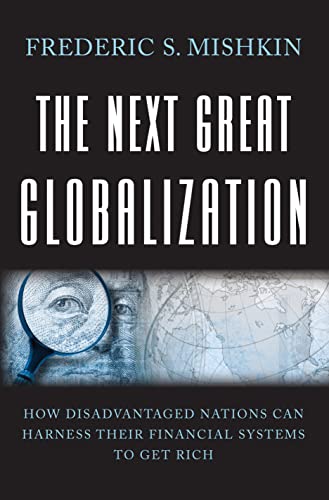
The Next Great Globalization: How Disadvantaged Nations Can Harness Their Financial Systems to Get Rich
Idioma: Inglés
Publicado por Princeton University Press, 2008
ISBN 10: 0691136416 ISBN 13: 9780691136417
Librería: Orion Tech, Kingwood, TX, Estados Unidos de America
Calificación del vendedor: 5 de 5 estrellas

EUR 6,55
Gastos de envío gratis
Se envía dentro de Estados Unidos de AmericaCantidad disponible: 1 disponibles
Añadir al carritopaperback. Condición: Fair.
-
The Next Great Globalization: How Disadvantaged Nations Can Harness Their Financial Systems to Get Rich
Idioma: Inglés
Publicado por Princeton University Press, 2008
ISBN 10: 0691136416 ISBN 13: 9780691136417
Librería: World of Books (was SecondSale), Montgomery, IL, Estados Unidos de America
Calificación del vendedor: 5 de 5 estrellas
EUR 6,86
Gastos de envío gratis
Se envía dentro de Estados Unidos de AmericaCantidad disponible: 1 disponibles
Añadir al carritoCondición: Good. Item in good condition. Textbooks may not include supplemental items i.e. CDs, access codes etc.
-
The Next Great Globalization : How Disadvantaged Nations Can Harness Their Financial Systems to Get Rich
Idioma: Inglés
Publicado por Princeton University Press, 2008
ISBN 10: 0691136416 ISBN 13: 9780691136417
Librería: Better World Books, Mishawaka, IN, Estados Unidos de America
Calificación del vendedor: 5 de 5 estrellas
EUR 7,02
Gastos de envío gratis
Se envía dentro de Estados Unidos de AmericaCantidad disponible: 1 disponibles
Añadir al carritoCondición: Good. Pages intact with minimal writing/highlighting. The binding may be loose and creased. Dust jackets/supplements are not included. Stock photo provided. Product includes identifying sticker. Better World Books: Buy Books. Do Good.
-

The Next Great Globalization: How Disadvantaged Nations Can Harness Their Financial Systems to Get Rich
Idioma: Inglés
Publicado por Princeton University Press, 2008
ISBN 10: 0691136416 ISBN 13: 9780691136417
Librería: Big River Books, Powder Springs, GA, Estados Unidos de America
Calificación del vendedor: 5 de 5 estrellas
EUR 8,83
Envío por EUR 3,49
Se envía dentro de Estados Unidos de AmericaCantidad disponible: 1 disponibles
Añadir al carritoCondición: good. This book is in good condition. The cover has minor creases or bends. The binding is tight and pages are intact. Some pages may have writing or highlighting.
-
The Next Great Globalization. How Disadvantaged Nations Can Harness Their Financial Systems to Get Rich.
Idioma: Inglés
Publicado por University Press Group, 2008
ISBN 10: 0691136416 ISBN 13: 9780691136417
Librería: Antiquariat Thomas Haker GmbH & Co. KG, Berlin, Alemania
Miembro de asociación: GIAQ
Calificación del vendedor: 5 de 5 estrellas
OportunidadEUR 4,64
Envío por EUR 15,00
Se envía de Alemania a Estados Unidos de AmericaCantidad disponible: 1 disponibles
Añadir al carritoSoftcover/Paperback. Condición: Wie neu. 322 p. Like new. Shrink wrapped. / Neuwertiger Zustand. In Folie verschweißt. Sprache: Englisch Gewicht in Gramm: 478.
-

The Next Great Globalization: How Disadvantaged Nations Can Harness Their Financial Systems To Get Rich
Idioma: Inglés
Publicado por Princeton University Press, USA, 2008
ISBN 10: 0691136416 ISBN 13: 9780691136417
Librería: Goulds Book Arcade, Sydney, Newtown, Sydney, NSW, Australia
Calificación del vendedor: 5 de 5 estrellas
EUR 13,24
Envío por EUR 21,88
Se envía de Australia a Estados Unidos de AmericaCantidad disponible: 1 disponibles
Añadir al carritoPaper Back. Condición: Very Good. The cover of the book has minor wear. 320 pages. Books listed here are not stored at the shop. Please contact us if you want to pick up a book from Newtown. Size: Size F: 9"-10" Tall (228-254mm).
-
The Next Great Globalization How Disadvantaged Nations Can Harness their Financial Systems to get Rich: How Disadvantaged Nations Can Harness Their Financial Systems to Get Rich
Idioma: Inglés
Publicado por Princeton University Press, 2008
ISBN 10: 0691136416 ISBN 13: 9780691136417
Librería: WorldofBooks, Goring-By-Sea, WS, Reino Unido
Calificación del vendedor: 5 de 5 estrellas
EUR 30,48
Envío por EUR 6,49
Se envía de Reino Unido a Estados Unidos de AmericaCantidad disponible: 1 disponibles
Añadir al carritoPaperback. Condición: Very Good. The book has been read, but is in excellent condition. Pages are intact and not marred by notes or highlighting. The spine remains undamaged.
-
Next Great Globalization : How Disadvantaged Nations Can Harness Their Financial Systems to Get Rich
Idioma: Inglés
Publicado por Princeton University Press, 2008
ISBN 10: 0691136416 ISBN 13: 9780691136417
Librería: GreatBookPrices, Columbia, MD, Estados Unidos de America
Calificación del vendedor: 5 de 5 estrellas
EUR 37,80
Envío por EUR 2,31
Se envía dentro de Estados Unidos de AmericaCantidad disponible: 2 disponibles
Añadir al carritoCondición: New.
-

The Next Great Globalization
Idioma: Inglés
Publicado por Princeton University Press, US, 2008
ISBN 10: 0691136416 ISBN 13: 9780691136417
Librería: Rarewaves USA, OSWEGO, IL, Estados Unidos de America
Calificación del vendedor: 5 de 5 estrellas
EUR 40,19
Gastos de envío gratis
Se envía dentro de Estados Unidos de AmericaCantidad disponible: Más de 20 disponibles
Añadir al carritoPaperback. Condición: New. Many prominent critics regard the international financial system as the dark side of globalization, threatening disadvantaged nations near and far. But in The Next Great Globalization, eminent economist Frederic Mishkin argues the opposite: that financial globalization today is essential for poor nations to become rich. Mishkin argues that an effectively managed financial globalization promises benefits on the scale of the hugely successful trade and information globalizations of the nineteenth and twentieth centuries. This financial revolution can lift developing nations out of squalor and increase the wealth and stability of emerging and industrialized nations alike. By presenting an unprecedented picture of the potential benefits of financial globalization, and by showing in clear and hard-headed terms how these gains can be realized, Mishkin provides a hopeful vision of the next phase of globalization.Mishkin draws on historical examples to caution that mismanagement of financial globalization, often aided and abetted by rich elites, can wreak havoc in developing countries, but he uses these examples to demonstrate how better policies can help poor nations to open up their economies to the benefits of global investment. According to Mishkin, the international community must provide incentives for developing countries to establish effective property rights, banking regulations, accounting practices, and corporate governance--the institutions necessary to attract and manage global investment. And the West must be a partner in integrating the financial systems of rich and poor countries--to the benefit of both. The Next Great Globalization makes the case that finance will be a driving force in the twenty-first-century economy, and demonstrates how this force can and should be shaped to the benefit of all, especially the disadvantaged nations most in need of growth and prosperity.
-

Next Great Globalization : How Disadvantaged Nations Can Harness Their Financial Systems to Get Rich
Idioma: Inglés
Publicado por Princeton University Press, 2008
ISBN 10: 0691136416 ISBN 13: 9780691136417
Librería: GreatBookPrices, Columbia, MD, Estados Unidos de America
Calificación del vendedor: 5 de 5 estrellas
EUR 39,97
Envío por EUR 2,31
Se envía dentro de Estados Unidos de AmericaCantidad disponible: 2 disponibles
Añadir al carritoCondición: As New. Unread book in perfect condition.
-
The Next Great Globalization
Idioma: Inglés
Publicado por Princeton University Press, 2008
ISBN 10: 0691136416 ISBN 13: 9780691136417
Librería: PBShop.store US, Wood Dale, IL, Estados Unidos de America
Calificación del vendedor: 5 de 5 estrellas
EUR 43,34
Gastos de envío gratis
Se envía dentro de Estados Unidos de AmericaCantidad disponible: 5 disponibles
Añadir al carritoPAP. Condición: New. New Book. Shipped from UK. Established seller since 2000.
-
The Next Great Globalization: How Disadvantaged Nations Can Harness Their Financial Systems to Get Rich
Idioma: Inglés
Publicado por Princeton University Press, 2008
ISBN 10: 0691136416 ISBN 13: 9780691136417
Librería: California Books, Miami, FL, Estados Unidos de America
Calificación del vendedor: 4 de 5 estrellas

EUR 45,07
Gastos de envío gratis
Se envía dentro de Estados Unidos de AmericaCantidad disponible: Más de 20 disponibles
Añadir al carritoCondición: New.
-

The Next Great Globalization
Idioma: Inglés
Publicado por Princeton University Press, US, 2008
ISBN 10: 0691136416 ISBN 13: 9780691136417
Librería: Rarewaves.com USA, London, LONDO, Reino Unido
Calificación del vendedor: 5 de 5 estrellas
EUR 45,11
Gastos de envío gratis
Se envía de Reino Unido a Estados Unidos de AmericaCantidad disponible: 3 disponibles
Añadir al carritoPaperback. Condición: New. Many prominent critics regard the international financial system as the dark side of globalization, threatening disadvantaged nations near and far. But in The Next Great Globalization, eminent economist Frederic Mishkin argues the opposite: that financial globalization today is essential for poor nations to become rich. Mishkin argues that an effectively managed financial globalization promises benefits on the scale of the hugely successful trade and information globalizations of the nineteenth and twentieth centuries. This financial revolution can lift developing nations out of squalor and increase the wealth and stability of emerging and industrialized nations alike. By presenting an unprecedented picture of the potential benefits of financial globalization, and by showing in clear and hard-headed terms how these gains can be realized, Mishkin provides a hopeful vision of the next phase of globalization.Mishkin draws on historical examples to caution that mismanagement of financial globalization, often aided and abetted by rich elites, can wreak havoc in developing countries, but he uses these examples to demonstrate how better policies can help poor nations to open up their economies to the benefits of global investment. According to Mishkin, the international community must provide incentives for developing countries to establish effective property rights, banking regulations, accounting practices, and corporate governance--the institutions necessary to attract and manage global investment. And the West must be a partner in integrating the financial systems of rich and poor countries--to the benefit of both. The Next Great Globalization makes the case that finance will be a driving force in the twenty-first-century economy, and demonstrates how this force can and should be shaped to the benefit of all, especially the disadvantaged nations most in need of growth and prosperity.
-
Next Great Globalization - How Disadvantaged Nations Can Harness Their Financial Systems to Get Rich (eng)
Idioma: Inglés
Publicado por Princeton University Press, 2008
ISBN 10: 0691136416 ISBN 13: 9780691136417
Librería: Brook Bookstore On Demand, Napoli, NA, Italia
Calificación del vendedor: 3 de 5 estrellas

EUR 41,49
Envío por EUR 5,50
Se envía de Italia a Estados Unidos de AmericaCantidad disponible: 5 disponibles
Añadir al carritoCondición: new.
-
The Next Great Globalization
Idioma: Inglés
Publicado por Princeton University Press, 2008
ISBN 10: 0691136416 ISBN 13: 9780691136417
Librería: PBShop.store UK, Fairford, GLOS, Reino Unido
Calificación del vendedor: 5 de 5 estrellas
EUR 42,70
Envío por EUR 5,82
Se envía de Reino Unido a Estados Unidos de AmericaCantidad disponible: 5 disponibles
Añadir al carritoPAP. Condición: New. New Book. Shipped from UK. Established seller since 2000.
-
The Next Great Globalization. How Disadvantaged Nations Can Harness Their Financial Systems to Get Rich
Idioma: Inglés
Publicado por University Press Group, 2006
ISBN 10: 0691136416 ISBN 13: 9780691136417
Librería: Sigrun Wuertele buchgenie_de, Altenburg, Alemania
Calificación del vendedor: 5 de 5 estrellas
EUR 9,99
Envío por EUR 37,99
Se envía de Alemania a Estados Unidos de AmericaCantidad disponible: 1 disponibles
Añadir al carritoCondición: Sehr gut - gebraucht. Broschiert Sehr guter Zustand, ohne Namenseintrag Zustand: 2, Sehr gut - gebraucht, Broschiert University Press Group , 2006 , The Next Great Globalization. How Disadvantaged Nations Can Harness Their Financial Systems to Get Rich, Frederic S. Mishkin.
-
The Next Great Globalization: How Disadvantaged Nations Can Harness Their Financial Systems to Get Rich
Idioma: Inglés
Publicado por Princeton University Press, 2008
ISBN 10: 0691136416 ISBN 13: 9780691136417
Librería: Kennys Bookshop and Art Galleries Ltd., Galway, GY, Irlanda
Calificación del vendedor: 5 de 5 estrellas
EUR 40,65
Envío por EUR 10,50
Se envía de Irlanda a Estados Unidos de AmericaCantidad disponible: 1 disponibles
Añadir al carritoCondición: New. Argues that financial globalization is essential for poor nations to become rich. This book argues that an effectively managed financial globalization promises benefits on the scale of the hugely successful trade and information globalizations of the nineteenth and twentieth centuries. Num Pages: 320 pages, 43 line illus. BIC Classification: JFFS; JPS. Category: (P) Professional & Vocational; (U) Tertiary Education (US: College). Dimension: 233 x 156 x 18. Weight in Grams: 472. . 2008. Paperback. . . . .
-
The Next Great Globalization (Paperback)
Idioma: Inglés
Publicado por Princeton University Press, New Jersey, 2008
ISBN 10: 0691136416 ISBN 13: 9780691136417
Librería: Grand Eagle Retail, Bensenville, IL, Estados Unidos de America
Calificación del vendedor: 5 de 5 estrellas
EUR 54,36
Gastos de envío gratis
Se envía dentro de Estados Unidos de AmericaCantidad disponible: 1 disponibles
Añadir al carritoPaperback. Condición: new. Paperback. Many prominent critics regard the international financial system as the dark side of globalization, threatening disadvantaged nations near and far. But in The Next Great Globalization, eminent economist Frederic Mishkin argues the opposite: that financial globalization today is essential for poor nations to become rich. Mishkin argues that an effectively managed financial globalization promises benefits on the scale of the hugely successful trade and information globalizations of the nineteenth and twentieth centuries. This financial revolution can lift developing nations out of squalor and increase the wealth and stability of emerging and industrialized nations alike. By presenting an unprecedented picture of the potential benefits of financial globalization, and by showing in clear and hard-headed terms how these gains can be realized, Mishkin provides a hopeful vision of the next phase of globalization.Mishkin draws on historical examples to caution that mismanagement of financial globalization, often aided and abetted by rich elites, can wreak havoc in developing countries, but he uses these examples to demonstrate how better policies can help poor nations to open up their economies to the benefits of global investment. According to Mishkin, the international community must provide incentives for developing countries to establish effective property rights, banking regulations, accounting practices, and corporate governance--the institutions necessary to attract and manage global investment. And the West must be a partner in integrating the financial systems of rich and poor countries--to the benefit of both. The Next Great Globalization makes the case that finance will be a driving force in the twenty-first-century economy, and demonstrates how this force can and should be shaped to the benefit of all, especially the disadvantaged nations most in need of growth and prosperity. Argues that financial globalization is essential for poor nations to become rich. This book argues that an effectively managed financial globalization promises benefits on the scale of the hugely successful trade and information globalizations of the nineteenth and twentieth centuries. Shipping may be from multiple locations in the US or from the UK, depending on stock availability.
-
The Next Great Globalization: How Disadvantaged Nations Can Harness Their Financial Systems to Get Rich
Idioma: Inglés
Publicado por Princeton University Press, 2008
ISBN 10: 0691136416 ISBN 13: 9780691136417
Librería: Kennys Bookstore, Olney, MD, Estados Unidos de America
Calificación del vendedor: 5 de 5 estrellas
EUR 50,20
Envío por EUR 9,19
Se envía dentro de Estados Unidos de AmericaCantidad disponible: 1 disponibles
Añadir al carritoCondición: New. Argues that financial globalization is essential for poor nations to become rich. This book argues that an effectively managed financial globalization promises benefits on the scale of the hugely successful trade and information globalizations of the nineteenth and twentieth centuries. Num Pages: 320 pages, 43 line illus. BIC Classification: JFFS; JPS. Category: (P) Professional & Vocational; (U) Tertiary Education (US: College). Dimension: 233 x 156 x 18. Weight in Grams: 472. . 2008. Paperback. . . . . Books ship from the US and Ireland.
-

Next Great Globalization : How Disadvantaged Nations Can Harness Their Financial Systems to Get Rich
Idioma: Inglés
Publicado por Princeton University Press, 2008
ISBN 10: 0691136416 ISBN 13: 9780691136417
Librería: GreatBookPricesUK, Woodford Green, Reino Unido
Calificación del vendedor: 5 de 5 estrellas
EUR 42,47
Envío por EUR 17,39
Se envía de Reino Unido a Estados Unidos de AmericaCantidad disponible: 2 disponibles
Añadir al carritoCondición: As New. Unread book in perfect condition.
-

Next Great Globalization : How Disadvantaged Nations Can Harness Their Financial Systems to Get Rich
Idioma: Inglés
Publicado por Princeton University Press, 2008
ISBN 10: 0691136416 ISBN 13: 9780691136417
Librería: GreatBookPricesUK, Woodford Green, Reino Unido
Calificación del vendedor: 5 de 5 estrellas
EUR 42,57
Envío por EUR 17,39
Se envía de Reino Unido a Estados Unidos de AmericaCantidad disponible: 2 disponibles
Añadir al carritoCondición: New.
-
The Next Great Globalization
Idioma: Inglés
Publicado por Princeton University Press, 2008
ISBN 10: 0691136416 ISBN 13: 9780691136417
Librería: Books Puddle, New York, NY, Estados Unidos de America
Calificación del vendedor: 4 de 5 estrellas
EUR 59,17
Envío por EUR 3,49
Se envía dentro de Estados Unidos de AmericaCantidad disponible: 3 disponibles
Añadir al carritoCondición: New. pp. 320.
-
The Next Great Globalization: How Disadvantaged Nations Can Harness Their Financial Systems to Get Rich
Idioma: Inglés
Publicado por Princeton University Press, 2008
ISBN 10: 0691136416 ISBN 13: 9780691136417
Librería: THE SAINT BOOKSTORE, Southport, Reino Unido
Calificación del vendedor: 5 de 5 estrellas
EUR 45,15
Envío por EUR 18,12
Se envía de Reino Unido a Estados Unidos de AmericaCantidad disponible: Más de 20 disponibles
Añadir al carritoPaperback / softback. Condición: New. New copy - Usually dispatched within 4 working days.
-
The Next Great Globalization How Disadvantaged Nations Can Harness their Financial Systems to get Rich
Librería: Revaluation Books, Exeter, Reino Unido
Calificación del vendedor: 5 de 5 estrellas
EUR 59,76
Envío por EUR 11,59
Se envía de Reino Unido a Estados Unidos de AmericaCantidad disponible: 2 disponibles
Añadir al carritoPaperback. Condición: Brand New. 320 pages. 9.00x6.00x0.75 inches. In Stock.
-
The Next Great Globalization: How Disadvantaged Nations Can Harness Their Financial Systems to Get Rich
Idioma: Inglés
Publicado por Princeton University Press, 2008
ISBN 10: 0691136416 ISBN 13: 9780691136417
Librería: BennettBooksLtd, Los Angeles, CA, Estados Unidos de America
Calificación del vendedor: 5 de 5 estrellas
EUR 69,37
Envío por EUR 6,08
Se envía dentro de Estados Unidos de AmericaCantidad disponible: 1 disponibles
Añadir al carritopaperback. Condición: New. In shrink wrap. Looks like an interesting title!
-

The Next Great Globalization
Idioma: Inglés
Publicado por Princeton University Press, US, 2008
ISBN 10: 0691136416 ISBN 13: 9780691136417
Librería: Rarewaves USA United, OSWEGO, IL, Estados Unidos de America
Calificación del vendedor: 5 de 5 estrellas
EUR 42,58
Envío por EUR 43,76
Se envía dentro de Estados Unidos de AmericaCantidad disponible: Más de 20 disponibles
Añadir al carritoPaperback. Condición: New. Many prominent critics regard the international financial system as the dark side of globalization, threatening disadvantaged nations near and far. But in The Next Great Globalization, eminent economist Frederic Mishkin argues the opposite: that financial globalization today is essential for poor nations to become rich. Mishkin argues that an effectively managed financial globalization promises benefits on the scale of the hugely successful trade and information globalizations of the nineteenth and twentieth centuries. This financial revolution can lift developing nations out of squalor and increase the wealth and stability of emerging and industrialized nations alike. By presenting an unprecedented picture of the potential benefits of financial globalization, and by showing in clear and hard-headed terms how these gains can be realized, Mishkin provides a hopeful vision of the next phase of globalization.Mishkin draws on historical examples to caution that mismanagement of financial globalization, often aided and abetted by rich elites, can wreak havoc in developing countries, but he uses these examples to demonstrate how better policies can help poor nations to open up their economies to the benefits of global investment. According to Mishkin, the international community must provide incentives for developing countries to establish effective property rights, banking regulations, accounting practices, and corporate governance--the institutions necessary to attract and manage global investment. And the West must be a partner in integrating the financial systems of rich and poor countries--to the benefit of both. The Next Great Globalization makes the case that finance will be a driving force in the twenty-first-century economy, and demonstrates how this force can and should be shaped to the benefit of all, especially the disadvantaged nations most in need of growth and prosperity.
-
The Next Great Globalization (Paperback)
Idioma: Inglés
Publicado por Princeton University Press, New Jersey, 2008
ISBN 10: 0691136416 ISBN 13: 9780691136417
Librería: AussieBookSeller, Truganina, VIC, Australia
Calificación del vendedor: 5 de 5 estrellas
EUR 81,96
Envío por EUR 32,38
Se envía de Australia a Estados Unidos de AmericaCantidad disponible: 1 disponibles
Añadir al carritoPaperback. Condición: new. Paperback. Many prominent critics regard the international financial system as the dark side of globalization, threatening disadvantaged nations near and far. But in The Next Great Globalization, eminent economist Frederic Mishkin argues the opposite: that financial globalization today is essential for poor nations to become rich. Mishkin argues that an effectively managed financial globalization promises benefits on the scale of the hugely successful trade and information globalizations of the nineteenth and twentieth centuries. This financial revolution can lift developing nations out of squalor and increase the wealth and stability of emerging and industrialized nations alike. By presenting an unprecedented picture of the potential benefits of financial globalization, and by showing in clear and hard-headed terms how these gains can be realized, Mishkin provides a hopeful vision of the next phase of globalization.Mishkin draws on historical examples to caution that mismanagement of financial globalization, often aided and abetted by rich elites, can wreak havoc in developing countries, but he uses these examples to demonstrate how better policies can help poor nations to open up their economies to the benefits of global investment. According to Mishkin, the international community must provide incentives for developing countries to establish effective property rights, banking regulations, accounting practices, and corporate governance--the institutions necessary to attract and manage global investment. And the West must be a partner in integrating the financial systems of rich and poor countries--to the benefit of both. The Next Great Globalization makes the case that finance will be a driving force in the twenty-first-century economy, and demonstrates how this force can and should be shaped to the benefit of all, especially the disadvantaged nations most in need of growth and prosperity. Argues that financial globalization is essential for poor nations to become rich. This book argues that an effectively managed financial globalization promises benefits on the scale of the hugely successful trade and information globalizations of the nineteenth and twentieth centuries. Shipping may be from our Sydney, NSW warehouse or from our UK or US warehouse, depending on stock availability.
-

The Next Great Globalization
Idioma: Inglés
Publicado por Princeton University Press, US, 2008
ISBN 10: 0691136416 ISBN 13: 9780691136417
Librería: Rarewaves.com UK, London, Reino Unido
Calificación del vendedor: 5 de 5 estrellas
EUR 42,62
Envío por EUR 75,35
Se envía de Reino Unido a Estados Unidos de AmericaCantidad disponible: 3 disponibles
Añadir al carritoPaperback. Condición: New. Many prominent critics regard the international financial system as the dark side of globalization, threatening disadvantaged nations near and far. But in The Next Great Globalization, eminent economist Frederic Mishkin argues the opposite: that financial globalization today is essential for poor nations to become rich. Mishkin argues that an effectively managed financial globalization promises benefits on the scale of the hugely successful trade and information globalizations of the nineteenth and twentieth centuries. This financial revolution can lift developing nations out of squalor and increase the wealth and stability of emerging and industrialized nations alike. By presenting an unprecedented picture of the potential benefits of financial globalization, and by showing in clear and hard-headed terms how these gains can be realized, Mishkin provides a hopeful vision of the next phase of globalization.Mishkin draws on historical examples to caution that mismanagement of financial globalization, often aided and abetted by rich elites, can wreak havoc in developing countries, but he uses these examples to demonstrate how better policies can help poor nations to open up their economies to the benefits of global investment. According to Mishkin, the international community must provide incentives for developing countries to establish effective property rights, banking regulations, accounting practices, and corporate governance--the institutions necessary to attract and manage global investment. And the West must be a partner in integrating the financial systems of rich and poor countries--to the benefit of both. The Next Great Globalization makes the case that finance will be a driving force in the twenty-first-century economy, and demonstrates how this force can and should be shaped to the benefit of all, especially the disadvantaged nations most in need of growth and prosperity.
-
The Next Great Globalization How Disadvantaged Nations Can Harness their Financial Systems to get Rich
Librería: Revaluation Books, Exeter, Reino Unido
Calificación del vendedor: 5 de 5 estrellas
EUR 49,94
Envío por EUR 11,59
Se envía de Reino Unido a Estados Unidos de AmericaCantidad disponible: 2 disponibles
Añadir al carritoPaperback. Condición: Brand New. 320 pages. 9.00x6.00x0.75 inches. In Stock. This item is printed on demand.
-

The Next Great Globalization
Idioma: Inglés
Publicado por Princeton University Press, 2008
ISBN 10: 0691136416 ISBN 13: 9780691136417
Librería: moluna, Greven, Alemania
Calificación del vendedor: 5 de 5 estrellas
EUR 43,57
Envío por EUR 48,99
Se envía de Alemania a Estados Unidos de AmericaCantidad disponible: Más de 20 disponibles
Añadir al carritoCondición: New. Dieser Artikel ist ein Print on Demand Artikel und wird nach Ihrer Bestellung fuer Sie gedruckt. Argues that financial globalization is essential for poor nations to become rich. This book argues that an effectively managed financial globalization promises benefits on the scale of the hugely successful trade and information globalizations of the ninete.


