

Importe total (1 artículo artículos):
Destino del pedido:

9780674659964 - Latin: Story of a World Language de Leonhardt, Jürgen (24 resultados)
Ir a los resultados principales
Filtros de búsqueda
Tipo de artículo
- Todos los tipos de productos
- Libros (24)
- Revistas y publicaciones (No hay ningún otro resultado que coincida con este filtro.)
- Cómics (No hay ningún otro resultado que coincida con este filtro.)
- Partituras (No hay ningún otro resultado que coincida con este filtro.)
- Arte, grabados y pósters (No hay ningún otro resultado que coincida con este filtro.)
- Fotografías (No hay ningún otro resultado que coincida con este filtro.)
- Mapas (No hay ningún otro resultado que coincida con este filtro.)
- Manuscritos y coleccionismo de papel (No hay ningún otro resultado que coincida con este filtro.)
Condición Más información
- Nuevo (17)
- Como nuevo, Excelente o Muy bueno (4)
- Bueno o Aceptable (2)
- Regular o Pobre (No hay ningún otro resultado que coincida con este filtro.)
- Tal como se indica (1)
Encuadernación
- Todas
- Tapa dura (No hay ningún otro resultado que coincida con este filtro.)
- Tapa blanda (24)
Más atributos
- Primera edición (No hay ningún otro resultado que coincida con este filtro.)
- Firmado (No hay ningún otro resultado que coincida con este filtro.)
- Sobrecubierta (No hay ningún otro resultado que coincida con este filtro.)
- Con imágenes (12)
- No impresión bajo demanda (24)
Idioma (1)
Gastos de envío gratis
Ubicación del vendedor
Valoración de los vendedores
-

Latin: Story of a World Language
Idioma: Inglés
Publicado por Belknap Press: An Imprint of Harvard University Press, 2016
ISBN 10: 0674659961 ISBN 13: 9780674659964
Librería: Greenway, Chattanooga, TN, Estados Unidos de America
Calificación del vendedor: 5 de 5 estrellas

EUR 14,39
Envío por EUR 3,50
Se envía dentro de Estados Unidos de AmericaCantidad disponible: 1 disponibles
Añadir al carritopaperback. Condición: Acceptable condition. Contains lots of highlighting or writing. Ships quickly.
-

Latin: Story of a World Language
Idioma: Inglés
Publicado por Belknap Press: An Imprint of Harvard University Press, Cambridge, 2016
ISBN 10: 0674659961 ISBN 13: 9780674659964
Librería: Daedalus Books, Portland, OR, Estados Unidos de America
Miembro de asociación: CBA
Calificación del vendedor: 5 de 5 estrellas
EUR 12,93
Envío por EUR 5,68
Se envía dentro de Estados Unidos de AmericaCantidad disponible: 1 disponibles
Añadir al carritoPaperback. Condición: Very Good. Lightly edge worn. A nice, bright copy. ; B & W Illustrations; 6.5 X 1 X 9.5 inches; 332 pages.
-
Latin: Story of a World Language
Idioma: Inglés
Publicado por Belknap Press: An Imprint of Harvard University Press, 2016
ISBN 10: 0674659961 ISBN 13: 9780674659964
Librería: Thomas F. Pesce', Anaheim, CA, Estados Unidos de America
Calificación del vendedor: 4 de 5 estrellas

EUR 17,10
Envío por EUR 4,60
Se envía dentro de Estados Unidos de AmericaCantidad disponible: 1 disponibles
Añadir al carritoSoft cover. Condición: Near Fine. Illustrated in B&W Ilustrador. First Harvard University Press Paperback Edition, 2016 Second Printing. Illustrated soft covers and display quality spine. Pages are clean, tight and bright. Book appears never read. (see photos) (149-L).
-
Latin: Story of a World Language
Idioma: Inglés
Publicado por Harvard University Press, 2016
ISBN 10: 0674659961 ISBN 13: 9780674659964
Librería: Bookworks, Chicago, IL, Estados Unidos de America
Calificación del vendedor: 5 de 5 estrellas
EUR 17,97
Envío por EUR 5,24
Se envía dentro de Estados Unidos de AmericaCantidad disponible: 1 disponibles
Añadir al carritoSoft cover. Condición: Fine. Third Printing, 2013. Fine contents and binding; clean and tightly bound. Original title: "Latein: Geschichte einer Weltsprache". International shipping may require added postage charges.
-

Latin : Story of a World Language
Idioma: Inglés
Publicado por Belknap Press: An Imprint of Harvard University Press, 2016
ISBN 10: 0674659961 ISBN 13: 9780674659964
Librería: GreatBookPrices, Columbia, MD, Estados Unidos de America
Calificación del vendedor: 5 de 5 estrellas
EUR 22,53
Envío por EUR 2,31
Se envía dentro de Estados Unidos de AmericaCantidad disponible: 19 disponibles
Añadir al carritoCondición: New.
-

Latin
Idioma: Inglés
Publicado por Harvard University Press, US, 2016
ISBN 10: 0674659961 ISBN 13: 9780674659964
Librería: Rarewaves.com USA, London, LONDO, Reino Unido
Calificación del vendedor: 5 de 5 estrellas
EUR 24,92
Gastos de envío gratis
Se envía de Reino Unido a Estados Unidos de AmericaCantidad disponible: 7 disponibles
Añadir al carritoPaperback. Condición: New. The mother tongue of the Roman Empire and the lingua franca of the West for centuries after Rome's fall, Latin survives today primarily in classrooms and texts. Yet this "dead language" is unique in the influence it has exerted across centuries and continents. Jürgen Leonhardt has written a full history of Latin from antiquity to the present, uncovering how this once parochial dialect developed into a vehicle of global communication that remained vital long after its spoken form was supplanted by modern languages.Latin originated in the Italian region of Latium, around Rome, and became widespread as that city's imperial might grew. By the first century BCE, Latin was already transitioning from a living vernacular, as writers and grammarians like Cicero and Varro fixed Latin's status as a "classical" language with a codified rhetoric and rules. As Romance languages spun off from their Latin origins following the empire's collapse-shedding cases and genders along the way-the ancient language retained its currency as a world language in ways that anticipated English and Spanish, but it ceased to evolve.Leonhardt charts the vicissitudes of Latin in the post-Roman world: its ninth-century revival under Charlemagne and its flourishing among Renaissance writers who, more than their medieval predecessors, were interested in questions of literary style and expression. Ultimately, the rise of historicism in the eighteenth century turned Latin from a practical tongue to an academic subject. Nevertheless, of all the traces left by the Romans, their language remains the most ubiquitous artifact of a once peerless empire.
-
Latin : Story of a World Language
Idioma: Inglés
Publicado por Harvard University Press, 2016
ISBN 10: 0674659961 ISBN 13: 9780674659964
Librería: Better World Books, Mishawaka, IN, Estados Unidos de America
Calificación del vendedor: 5 de 5 estrellas
EUR 24,95
Gastos de envío gratis
Se envía dentro de Estados Unidos de AmericaCantidad disponible: 1 disponibles
Añadir al carritoCondición: Very Good. Pages intact with possible writing/highlighting. Binding strong with minor wear. Dust jackets/supplements may not be included. Stock photo provided. Product includes identifying sticker. Better World Books: Buy Books. Do Good.
-
Latin
Idioma: Inglés
Publicado por Harvard University Press, 2016
ISBN 10: 0674659961 ISBN 13: 9780674659964
Librería: PBShop.store US, Wood Dale, IL, Estados Unidos de America
Calificación del vendedor: 5 de 5 estrellas
EUR 24,95
Gastos de envío gratis
Se envía dentro de Estados Unidos de AmericaCantidad disponible: 14 disponibles
Añadir al carritoPAP. Condición: New. New Book. Shipped from UK. Established seller since 2000.
-
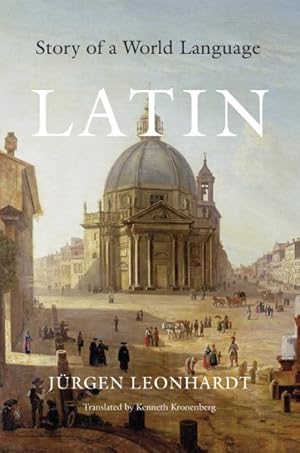
Latin : Story of a World Language
Idioma: Inglés
Publicado por Belknap Press: An Imprint of Harvard University Press, 2016
ISBN 10: 0674659961 ISBN 13: 9780674659964
Librería: GreatBookPrices, Columbia, MD, Estados Unidos de America
Calificación del vendedor: 5 de 5 estrellas
EUR 25,01
Envío por EUR 2,31
Se envía dentro de Estados Unidos de AmericaCantidad disponible: 19 disponibles
Añadir al carritoCondición: As New. Unread book in perfect condition.
-

Latin: Story of a World Language
Idioma: Inglés
Publicado por Belknap Press: An Imprint of Harvard University Press, 2016
ISBN 10: 0674659961 ISBN 13: 9780674659964
Librería: eCampus, Lexington, KY, Estados Unidos de America
Calificación del vendedor: 5 de 5 estrellas
EUR 24,28
Envío por EUR 3,49
Se envía dentro de Estados Unidos de AmericaCantidad disponible: 4 disponibles
Añadir al carritoCondición: New.
-

Latin (Paperback)
Idioma: Inglés
Publicado por Harvard University Press, Cambridge, Mass., 2016
ISBN 10: 0674659961 ISBN 13: 9780674659964
Librería: Grand Eagle Retail, Bensenville, IL, Estados Unidos de America
Calificación del vendedor: 5 de 5 estrellas
EUR 31,41
Gastos de envío gratis
Se envía dentro de Estados Unidos de AmericaCantidad disponible: 1 disponibles
Añadir al carritoPaperback. Condición: new. Paperback. The mother tongue of the Roman Empire and the lingua franca of the West for centuries after Rome's fall, Latin survives today primarily in classrooms and texts. Yet this "dead language" is unique in the influence it has exerted across centuries and continents. Juergen Leonhardt has written a full history of Latin from antiquity to the present, uncovering how this once parochial dialect developed into a vehicle of global communication that remained vital long after its spoken form was supplanted by modern languages.Latin originated in the Italian region of Latium, around Rome, and became widespread as that city's imperial might grew. By the first century BCE, Latin was already transitioning from a living vernacular, as writers and grammarians like Cicero and Varro fixed Latin's status as a "classical" language with a codified rhetoric and rules. As Romance languages spun off from their Latin origins following the empire's collapse-shedding cases and genders along the way-the ancient language retained its currency as a world language in ways that anticipated English and Spanish, but it ceased to evolve.Leonhardt charts the vicissitudes of Latin in the post-Roman world: its ninth-century revival under Charlemagne and its flourishing among Renaissance writers who, more than their medieval predecessors, were interested in questions of literary style and expression. Ultimately, the rise of historicism in the eighteenth century turned Latin from a practical tongue to an academic subject. Nevertheless, of all the traces left by the Romans, their language remains the most ubiquitous artifact of a once peerless empire. The mother tongue of the Roman Empire and the lingua franca of the West for centuries afterward, Latin survives today primarily in classrooms and texts. Yet this "dead language" is unique in the influence it has exerted across centuries and continents. Juergen Leonhardt offers the story of the first "world language", from antiquity to the present. Shipping may be from multiple locations in the US or from the UK, depending on stock availability.
-
Latin
Idioma: Inglés
Publicado por Harvard University Press, 2016
ISBN 10: 0674659961 ISBN 13: 9780674659964
Librería: PBShop.store UK, Fairford, GLOS, Reino Unido
Calificación del vendedor: 5 de 5 estrellas
EUR 25,80
Envío por EUR 5,86
Se envía de Reino Unido a Estados Unidos de AmericaCantidad disponible: 14 disponibles
Añadir al carritoPAP. Condición: New. New Book. Shipped from UK. Established seller since 2000.
-
Latin: Story of a World Language (eng)
Idioma: Inglés
Publicado por Belknap Press: An Imprint of Harvard University Press, 2016
ISBN 10: 0674659961 ISBN 13: 9780674659964
Librería: Brook Bookstore On Demand, Napoli, NA, Italia
Calificación del vendedor: 5 de 5 estrellas
EUR 26,40
Envío por EUR 6,80
Se envía de Italia a Estados Unidos de AmericaCantidad disponible: 14 disponibles
Añadir al carritoCondición: new.
-
Latin: Story of a World Language
Idioma: Inglés
Publicado por Belknap Press: An Imprint of Harvard University Press, 2016
ISBN 10: 0674659961 ISBN 13: 9780674659964
Librería: Majestic Books, Hounslow, Reino Unido
Calificación del vendedor: 4 de 5 estrellas
EUR 30,33
Envío por EUR 7,59
Se envía de Reino Unido a Estados Unidos de AmericaCantidad disponible: 3 disponibles
Añadir al carritoCondición: New. pp. 352.
-
Latin: Story of a World Language
Librería: Kennys Bookshop and Art Galleries Ltd., Galway, GY, Irlanda
Calificación del vendedor: 5 de 5 estrellas
EUR 27,13
Envío por EUR 10,50
Se envía de Irlanda a Estados Unidos de AmericaCantidad disponible: 14 disponibles
Añadir al carritoCondición: New. The mother tongue of the Roman Empire and the lingua franca of the West for centuries afterward, Latin survives today primarily in classrooms and texts. Yet this "dead language" is unique in the influence it has exerted across centuries and continents. Jurgen Leonhardt offers the story of the first "world language", from antiquity to the present. Num Pages: 352 pages. BIC Classification: CFA; CFF; HB. Category: (G) General (US: Trade). Dimension: 235 x 156. . . 2016. Reprint. Paperback. . . . .
-
Latin Story of a World Language
Librería: Revaluation Books, Exeter, Reino Unido
Calificación del vendedor: 5 de 5 estrellas
EUR 29,44
Envío por EUR 11,68
Se envía de Reino Unido a Estados Unidos de AmericaCantidad disponible: 2 disponibles
Añadir al carritoPaperback. Condición: Brand New. reprint edition. 332 pages. 9.50x6.50x1.00 inches. In Stock.
-

Latin : Story of a World Language
Idioma: Inglés
Publicado por Belknap Press: An Imprint of Harvard University Press, 2016
ISBN 10: 0674659961 ISBN 13: 9780674659964
Librería: GreatBookPricesUK, Woodford Green, Reino Unido
Calificación del vendedor: 5 de 5 estrellas
EUR 23,64
Envío por EUR 17,51
Se envía de Reino Unido a Estados Unidos de AmericaCantidad disponible: 19 disponibles
Añadir al carritoCondición: New.
-
Latin: Story of a World Language
Librería: Kennys Bookstore, Olney, MD, Estados Unidos de America
Calificación del vendedor: 5 de 5 estrellas
EUR 32,66
Envío por EUR 9,18
Se envía dentro de Estados Unidos de AmericaCantidad disponible: 14 disponibles
Añadir al carritoCondición: New. The mother tongue of the Roman Empire and the lingua franca of the West for centuries afterward, Latin survives today primarily in classrooms and texts. Yet this "dead language" is unique in the influence it has exerted across centuries and continents. Jurgen Leonhardt offers the story of the first "world language", from antiquity to the present. Num Pages: 352 pages. BIC Classification: CFA; CFF; HB. Category: (G) General (US: Trade). Dimension: 235 x 156. . . 2016. Reprint. Paperback. . . . . Books ship from the US and Ireland.
-
Latin: Story of a World Language
Idioma: Inglés
Publicado por Harvard University Press, 2016
ISBN 10: 0674659961 ISBN 13: 9780674659964
Librería: THE SAINT BOOKSTORE, Southport, Reino Unido
Calificación del vendedor: 5 de 5 estrellas
EUR 24,66
Envío por EUR 19,38
Se envía de Reino Unido a Estados Unidos de AmericaCantidad disponible: Más de 20 disponibles
Añadir al carritoPaperback / softback. Condición: New. New copy - Usually dispatched within 4 working days.
-
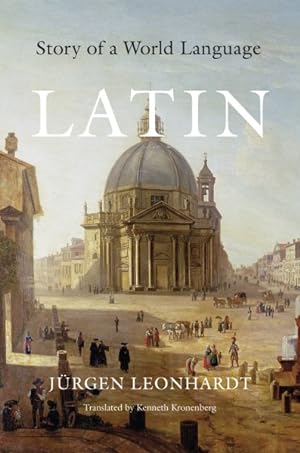
Latin : Story of a World Language
Idioma: Inglés
Publicado por Belknap Press: An Imprint of Harvard University Press, 2016
ISBN 10: 0674659961 ISBN 13: 9780674659964
Librería: GreatBookPricesUK, Woodford Green, Reino Unido
Calificación del vendedor: 5 de 5 estrellas
EUR 27,30
Envío por EUR 17,51
Se envía de Reino Unido a Estados Unidos de AmericaCantidad disponible: 19 disponibles
Añadir al carritoCondición: As New. Unread book in perfect condition.
-
Latin: Story of a World Language
Idioma: Inglés
Publicado por Belknap Press: An Imprint of Harvard University Press, 2016
ISBN 10: 0674659961 ISBN 13: 9780674659964
Librería: Books Puddle, New York, NY, Estados Unidos de America
Calificación del vendedor: 4 de 5 estrellas
EUR 45,37
Envío por EUR 3,49
Se envía dentro de Estados Unidos de AmericaCantidad disponible: 3 disponibles
Añadir al carritoCondición: New. pp. 352.
-

Latin (Paperback)
Idioma: Inglés
Publicado por Harvard University Press, Cambridge, Mass., 2016
ISBN 10: 0674659961 ISBN 13: 9780674659964
Librería: CitiRetail, Stevenage, Reino Unido
Calificación del vendedor: 5 de 5 estrellas
EUR 29,44
Envío por EUR 43,20
Se envía de Reino Unido a Estados Unidos de AmericaCantidad disponible: 1 disponibles
Añadir al carritoPaperback. Condición: new. Paperback. The mother tongue of the Roman Empire and the lingua franca of the West for centuries after Rome's fall, Latin survives today primarily in classrooms and texts. Yet this "dead language" is unique in the influence it has exerted across centuries and continents. Juergen Leonhardt has written a full history of Latin from antiquity to the present, uncovering how this once parochial dialect developed into a vehicle of global communication that remained vital long after its spoken form was supplanted by modern languages.Latin originated in the Italian region of Latium, around Rome, and became widespread as that city's imperial might grew. By the first century BCE, Latin was already transitioning from a living vernacular, as writers and grammarians like Cicero and Varro fixed Latin's status as a "classical" language with a codified rhetoric and rules. As Romance languages spun off from their Latin origins following the empire's collapse-shedding cases and genders along the way-the ancient language retained its currency as a world language in ways that anticipated English and Spanish, but it ceased to evolve.Leonhardt charts the vicissitudes of Latin in the post-Roman world: its ninth-century revival under Charlemagne and its flourishing among Renaissance writers who, more than their medieval predecessors, were interested in questions of literary style and expression. Ultimately, the rise of historicism in the eighteenth century turned Latin from a practical tongue to an academic subject. Nevertheless, of all the traces left by the Romans, their language remains the most ubiquitous artifact of a once peerless empire. The mother tongue of the Roman Empire and the lingua franca of the West for centuries afterward, Latin survives today primarily in classrooms and texts. Yet this "dead language" is unique in the influence it has exerted across centuries and continents. Juergen Leonhardt offers the story of the first "world language", from antiquity to the present. Shipping may be from our UK warehouse or from our Australian or US warehouses, depending on stock availability.
-

Latin (Paperback)
Idioma: Inglés
Publicado por Harvard University Press, Cambridge, Mass., 2016
ISBN 10: 0674659961 ISBN 13: 9780674659964
Librería: AussieBookSeller, Truganina, VIC, Australia
Calificación del vendedor: 5 de 5 estrellas
EUR 50,42
Envío por EUR 32,35
Se envía de Australia a Estados Unidos de AmericaCantidad disponible: 1 disponibles
Añadir al carritoPaperback. Condición: new. Paperback. The mother tongue of the Roman Empire and the lingua franca of the West for centuries after Rome's fall, Latin survives today primarily in classrooms and texts. Yet this "dead language" is unique in the influence it has exerted across centuries and continents. Juergen Leonhardt has written a full history of Latin from antiquity to the present, uncovering how this once parochial dialect developed into a vehicle of global communication that remained vital long after its spoken form was supplanted by modern languages.Latin originated in the Italian region of Latium, around Rome, and became widespread as that city's imperial might grew. By the first century BCE, Latin was already transitioning from a living vernacular, as writers and grammarians like Cicero and Varro fixed Latin's status as a "classical" language with a codified rhetoric and rules. As Romance languages spun off from their Latin origins following the empire's collapse-shedding cases and genders along the way-the ancient language retained its currency as a world language in ways that anticipated English and Spanish, but it ceased to evolve.Leonhardt charts the vicissitudes of Latin in the post-Roman world: its ninth-century revival under Charlemagne and its flourishing among Renaissance writers who, more than their medieval predecessors, were interested in questions of literary style and expression. Ultimately, the rise of historicism in the eighteenth century turned Latin from a practical tongue to an academic subject. Nevertheless, of all the traces left by the Romans, their language remains the most ubiquitous artifact of a once peerless empire. The mother tongue of the Roman Empire and the lingua franca of the West for centuries afterward, Latin survives today primarily in classrooms and texts. Yet this "dead language" is unique in the influence it has exerted across centuries and continents. Juergen Leonhardt offers the story of the first "world language", from antiquity to the present. Shipping may be from our Sydney, NSW warehouse or from our UK or US warehouse, depending on stock availability.
-

Latin
Idioma: Inglés
Publicado por Harvard University Press, US, 2016
ISBN 10: 0674659961 ISBN 13: 9780674659964
Librería: Rarewaves.com UK, London, Reino Unido
Calificación del vendedor: 5 de 5 estrellas
EUR 23,65
Envío por EUR 75,89
Se envía de Reino Unido a Estados Unidos de AmericaCantidad disponible: 7 disponibles
Añadir al carritoPaperback. Condición: New. The mother tongue of the Roman Empire and the lingua franca of the West for centuries after Rome's fall, Latin survives today primarily in classrooms and texts. Yet this "dead language" is unique in the influence it has exerted across centuries and continents. Jürgen Leonhardt has written a full history of Latin from antiquity to the present, uncovering how this once parochial dialect developed into a vehicle of global communication that remained vital long after its spoken form was supplanted by modern languages.Latin originated in the Italian region of Latium, around Rome, and became widespread as that city's imperial might grew. By the first century BCE, Latin was already transitioning from a living vernacular, as writers and grammarians like Cicero and Varro fixed Latin's status as a "classical" language with a codified rhetoric and rules. As Romance languages spun off from their Latin origins following the empire's collapse-shedding cases and genders along the way-the ancient language retained its currency as a world language in ways that anticipated English and Spanish, but it ceased to evolve.Leonhardt charts the vicissitudes of Latin in the post-Roman world: its ninth-century revival under Charlemagne and its flourishing among Renaissance writers who, more than their medieval predecessors, were interested in questions of literary style and expression. Ultimately, the rise of historicism in the eighteenth century turned Latin from a practical tongue to an academic subject. Nevertheless, of all the traces left by the Romans, their language remains the most ubiquitous artifact of a once peerless empire.


