

Importe total (1 artículo artículos):
Destino del pedido:

9780500292495 - Prototyping for Architects de Burry, Mark; Burry, Jane (18 resultados)
Ir a los resultados principales
Filtros de búsqueda
Tipo de artículo
- Todos los tipos de productos
- Libros (18)
- Revistas y publicaciones (No hay ningún otro resultado que coincida con este filtro.)
- Cómics (No hay ningún otro resultado que coincida con este filtro.)
- Partituras (No hay ningún otro resultado que coincida con este filtro.)
- Arte, grabados y pósters (No hay ningún otro resultado que coincida con este filtro.)
- Fotografías (No hay ningún otro resultado que coincida con este filtro.)
- Mapas (No hay ningún otro resultado que coincida con este filtro.)
- Manuscritos y coleccionismo de papel (No hay ningún otro resultado que coincida con este filtro.)
Condición Más información
- Nuevo (15)
- Como nuevo, Excelente o Muy bueno (2)
- Bueno o Aceptable (1)
- Regular o Pobre (No hay ningún otro resultado que coincida con este filtro.)
- Tal como se indica (No hay ningún otro resultado que coincida con este filtro.)
Encuadernación
- Todas
- Tapa dura (No hay ningún otro resultado que coincida con este filtro.)
- Tapa blanda (18)
Más atributos
- Primera edición (No hay ningún otro resultado que coincida con este filtro.)
- Firmado (No hay ningún otro resultado que coincida con este filtro.)
- Sobrecubierta (No hay ningún otro resultado que coincida con este filtro.)
- Con imágenes (10)
- No impresión bajo demanda (18)
Idioma (1)
Gastos de envío gratis
Ubicación del vendedor
Valoración de los vendedores
-
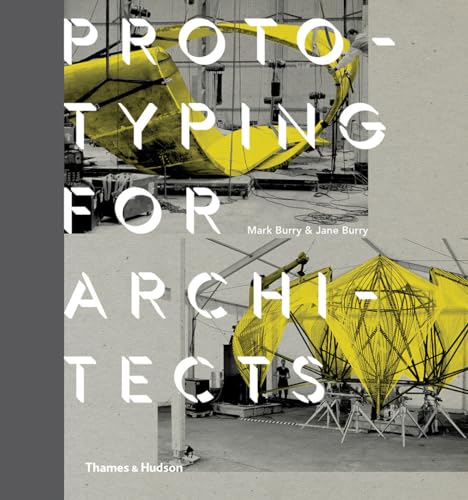
Prototyping for Architects
Librería: PlumCircle, West Mifflin, PA, Estados Unidos de America
Calificación del vendedor: 5 de 5 estrellas

EUR 2,99
Envío por EUR 4,39
Se envía dentro de Estados Unidos de AmericaCantidad disponible: 1 disponibles
Añadir al carritoPaperback. Condición: Fine. Publisher overstock. May have remainder mark / minimal shelfwear. 99% of orders arrive in 4-10 days. Discounted shipping on multiple books.
-
Prototyping for Architects
Librería: PlumCircle, West Mifflin, PA, Estados Unidos de America
Calificación del vendedor: 5 de 5 estrellas
EUR 2,99
Envío por EUR 4,39
Se envía dentro de Estados Unidos de AmericaCantidad disponible: 2 disponibles
Añadir al carritoPaperback. Condición: Very Good. Publisher overstock. May have remainder mark / minor shelfwear. 99% of orders arrive in 4-10 days. Discounted shipping on multiple books.
-
Prototyping for Architects
Librería: PlumCircle, West Mifflin, PA, Estados Unidos de America
Calificación del vendedor: 5 de 5 estrellas
EUR 4,62
Envío por EUR 4,39
Se envía dentro de Estados Unidos de AmericaCantidad disponible: 1 disponibles
Añadir al carritoPaperback. Condición: New. New item in gift quality condition. 99% of orders arrive in 4-10 days. Discounted shipping on multiple books.
-
Prototyping for Architects
Librería: Kennys Bookstore, Olney, MD, Estados Unidos de America
Calificación del vendedor: 5 de 5 estrellas
EUR 9,37
Envío por EUR 9,25
Se envía dentro de Estados Unidos de AmericaCantidad disponible: 3 disponibles
Añadir al carritoCondición: New. 2017. Paperback. . . . . . Books ship from the US and Ireland.
-
Prototyping for Architects
Librería: Kennys Bookshop and Art Galleries Ltd., Galway, GY, Irlanda
Calificación del vendedor: 5 de 5 estrellas
EUR 8,70
Envío por EUR 10,50
Se envía de Irlanda a Estados Unidos de AmericaCantidad disponible: 3 disponibles
Añadir al carritoCondición: New. 2017. Paperback. . . . . .
-
Prototyping for Architects Format: Hardcover
Librería: INDOO, Avenel, NJ, Estados Unidos de America
Calificación del vendedor: 5 de 5 estrellas
EUR 31,22
Gastos de envío gratis
Se envía dentro de Estados Unidos de AmericaCantidad disponible: Más de 20 disponibles
Añadir al carritoCondición: New. Brand New.
-

Prototyping for Architects
Librería: GreatBookPrices, Columbia, MD, Estados Unidos de America
Calificación del vendedor: 5 de 5 estrellas
EUR 35,87
Envío por EUR 2,33
Se envía dentro de Estados Unidos de AmericaCantidad disponible: 15 disponibles
Añadir al carritoCondición: As New. Unread book in perfect condition.
-

Prototyping for Architects
Librería: GreatBookPrices, Columbia, MD, Estados Unidos de America
Calificación del vendedor: 5 de 5 estrellas
EUR 36,15
Envío por EUR 2,33
Se envía dentro de Estados Unidos de AmericaCantidad disponible: 15 disponibles
Añadir al carritoCondición: New.
-

Prototyping for Architects (Paperback)
Idioma: Inglés
Publicado por Thames & Hudson Ltd, London, 2017
ISBN 10: 0500292493 ISBN 13: 9780500292495
Librería: Grand Eagle Retail, Bensenville, IL, Estados Unidos de America
Calificación del vendedor: 5 de 5 estrellas
EUR 38,54
Gastos de envío gratis
Se envía dentro de Estados Unidos de AmericaCantidad disponible: 1 disponibles
Añadir al carritoPaperback. Condición: new. Paperback. Prototyping is an essential part of the designer's repertoire. Designers prototype their projects to test them, structurally, aesthetically, technically. Whether the prototype works or not is not the point: prototyping is the revelatory process through which the designer gains insight. There are three reasons why contemporary prototyping techniques are transforming the way architects design and build: 1) at a miniature scale, prototyping aids the architect in the presentation to clients of complex spatial ideas; 2) prototyping empowers the architect-designer to test and prove a building's feasibility, leading to more open-minded construction solutions; 3) whether additive (3D printing) or subtractive (robotic milling), prototyping can lead to unexpected and exciting new possibilities within design as a whole, across design disciplines, thus blurring the boundaries between them in highly creative ways.The book has four sections: an introduction that charts the rise of prototyping in design history, more specifically in architecture; an overview of techniques; a survey section featuring 30 projects, each presented through texts drawn from first-hand interviews, on-site photographs and drawings; and a reference section, which includes a glossary of technical terms. The first overview of the increasingly popular practice of uniting digital design and fabrication technologies with building techniques. Shipping may be from multiple locations in the US or from the UK, depending on stock availability.
-
Prototyping For Architects
Librería: Revaluation Books, Exeter, Reino Unido
Calificación del vendedor: 5 de 5 estrellas
EUR 23,98
Envío por EUR 17,39
Se envía de Reino Unido a Estados Unidos de AmericaCantidad disponible: 1 disponibles
Añadir al carritoPaperback. Condición: Brand New. reprint edition. 272 pages. 9.30x8.60x1.00 inches. In Stock.
-
Prototyping for Architects
Librería: Basi6 International, Irving, TX, Estados Unidos de America
Calificación del vendedor: 5 de 5 estrellas
EUR 43,39
Gastos de envío gratis
Se envía dentro de Estados Unidos de AmericaCantidad disponible: 1 disponibles
Añadir al carritoCondición: Brand New. New. US edition. Expediting shipping for all USA and Europe orders excluding PO Box. Excellent Customer Service.
-

Prototyping for Architects
Idioma: Inglés
Publicado por Thames and Hudson Ltd, GB, 2017
ISBN 10: 0500292493 ISBN 13: 9780500292495
Librería: Rarewaves USA, OSWEGO, IL, Estados Unidos de America
Calificación del vendedor: 5 de 5 estrellas
EUR 43,51
Gastos de envío gratis
Se envía dentro de Estados Unidos de AmericaCantidad disponible: 8 disponibles
Añadir al carritoPaperback. Condición: New. Prototyping is an essential part of the designer's repertoire. Designers prototype their projects to test them, structurally, aesthetically, technically. Whether the prototype works or not is not the point: prototyping is the revelatory process through which the designer gains insight. There are three reasons why contemporary prototyping techniques are transforming the way architects design and build: 1) at a miniature scale, prototyping aids the architect in the presentation to clients of complex spatial ideas; 2) prototyping empowers the architect-designer to test and prove a building's feasibility, leading to more open-minded construction solutions; 3) whether additive (3D printing) or subtractive (robotic milling), prototyping can lead to unexpected and exciting new possibilities within design as a whole, across design disciplines, thus blurring the boundaries between them in highly creative ways.The book has four sections: an introduction that charts the rise of prototyping in design history, more specifically in architecture; an overview of techniques; a survey section featuring 30 projects, each presented through texts drawn from first-hand interviews, on-site photographs and drawings; and a reference section, which includes a glossary of technical terms.
-

Prototyping for Architects
Idioma: Inglés
Publicado por Thames and Hudson Ltd, GB, 2017
ISBN 10: 0500292493 ISBN 13: 9780500292495
Librería: Rarewaves.com USA, London, LONDO, Reino Unido
Calificación del vendedor: 5 de 5 estrellas
EUR 53,50
Gastos de envío gratis
Se envía de Reino Unido a Estados Unidos de AmericaCantidad disponible: 8 disponibles
Añadir al carritoPaperback. Condición: New. Prototyping is an essential part of the designer's repertoire. Designers prototype their projects to test them, structurally, aesthetically, technically. Whether the prototype works or not is not the point: prototyping is the revelatory process through which the designer gains insight. There are three reasons why contemporary prototyping techniques are transforming the way architects design and build: 1) at a miniature scale, prototyping aids the architect in the presentation to clients of complex spatial ideas; 2) prototyping empowers the architect-designer to test and prove a building's feasibility, leading to more open-minded construction solutions; 3) whether additive (3D printing) or subtractive (robotic milling), prototyping can lead to unexpected and exciting new possibilities within design as a whole, across design disciplines, thus blurring the boundaries between them in highly creative ways.The book has four sections: an introduction that charts the rise of prototyping in design history, more specifically in architecture; an overview of techniques; a survey section featuring 30 projects, each presented through texts drawn from first-hand interviews, on-site photographs and drawings; and a reference section, which includes a glossary of technical terms.
-

Prototyping for Architects
Idioma: Inglés
Publicado por Thames and Hudson Ltd, GB, 2017
ISBN 10: 0500292493 ISBN 13: 9780500292495
Librería: Rarewaves USA United, OSWEGO, IL, Estados Unidos de America
Calificación del vendedor: 5 de 5 estrellas
EUR 45,25
Envío por EUR 44,04
Se envía dentro de Estados Unidos de AmericaCantidad disponible: 8 disponibles
Añadir al carritoPaperback. Condición: New. Prototyping is an essential part of the designer's repertoire. Designers prototype their projects to test them, structurally, aesthetically, technically. Whether the prototype works or not is not the point: prototyping is the revelatory process through which the designer gains insight. There are three reasons why contemporary prototyping techniques are transforming the way architects design and build: 1) at a miniature scale, prototyping aids the architect in the presentation to clients of complex spatial ideas; 2) prototyping empowers the architect-designer to test and prove a building's feasibility, leading to more open-minded construction solutions; 3) whether additive (3D printing) or subtractive (robotic milling), prototyping can lead to unexpected and exciting new possibilities within design as a whole, across design disciplines, thus blurring the boundaries between them in highly creative ways.The book has four sections: an introduction that charts the rise of prototyping in design history, more specifically in architecture; an overview of techniques; a survey section featuring 30 projects, each presented through texts drawn from first-hand interviews, on-site photographs and drawings; and a reference section, which includes a glossary of technical terms.
-

Prototyping for Architects (Paperback)
Idioma: Inglés
Publicado por Thames & Hudson Ltd, London, 2017
ISBN 10: 0500292493 ISBN 13: 9780500292495
Librería: CitiRetail, Stevenage, Reino Unido
Calificación del vendedor: 5 de 5 estrellas
EUR 50,15
Envío por EUR 42,90
Se envía de Reino Unido a Estados Unidos de AmericaCantidad disponible: 1 disponibles
Añadir al carritoPaperback. Condición: new. Paperback. Prototyping is an essential part of the designer's repertoire. Designers prototype their projects to test them, structurally, aesthetically, technically. Whether the prototype works or not is not the point: prototyping is the revelatory process through which the designer gains insight. There are three reasons why contemporary prototyping techniques are transforming the way architects design and build: 1) at a miniature scale, prototyping aids the architect in the presentation to clients of complex spatial ideas; 2) prototyping empowers the architect-designer to test and prove a building's feasibility, leading to more open-minded construction solutions; 3) whether additive (3D printing) or subtractive (robotic milling), prototyping can lead to unexpected and exciting new possibilities within design as a whole, across design disciplines, thus blurring the boundaries between them in highly creative ways.The book has four sections: an introduction that charts the rise of prototyping in design history, more specifically in architecture; an overview of techniques; a survey section featuring 30 projects, each presented through texts drawn from first-hand interviews, on-site photographs and drawings; and a reference section, which includes a glossary of technical terms. The first overview of the increasingly popular practice of uniting digital design and fabrication technologies with building techniques. Shipping may be from our UK warehouse or from our Australian or US warehouses, depending on stock availability.
-

Prototyping for Architects
Librería: moluna, Greven, Alemania
Calificación del vendedor: 5 de 5 estrellas
EUR 46,08
Envío por EUR 48,99
Se envía de Alemania a Estados Unidos de AmericaCantidad disponible: Más de 20 disponibles
Añadir al carritoCondición: New. The first overview of the increasingly popular practice of uniting digital design and fabrication technologies with building techniques.Über den AutorrnrnMark Burry is a professor and director at RMIT s Spatial Information Architecture .
-

Prototyping for Architects (Paperback)
Idioma: Inglés
Publicado por Thames & Hudson Ltd, London, 2017
ISBN 10: 0500292493 ISBN 13: 9780500292495
Librería: AussieBookSeller, Truganina, VIC, Australia
Calificación del vendedor: 5 de 5 estrellas
EUR 75,70
Envío por EUR 32,59
Se envía de Australia a Estados Unidos de AmericaCantidad disponible: 1 disponibles
Añadir al carritoPaperback. Condición: new. Paperback. Prototyping is an essential part of the designer's repertoire. Designers prototype their projects to test them, structurally, aesthetically, technically. Whether the prototype works or not is not the point: prototyping is the revelatory process through which the designer gains insight. There are three reasons why contemporary prototyping techniques are transforming the way architects design and build: 1) at a miniature scale, prototyping aids the architect in the presentation to clients of complex spatial ideas; 2) prototyping empowers the architect-designer to test and prove a building's feasibility, leading to more open-minded construction solutions; 3) whether additive (3D printing) or subtractive (robotic milling), prototyping can lead to unexpected and exciting new possibilities within design as a whole, across design disciplines, thus blurring the boundaries between them in highly creative ways.The book has four sections: an introduction that charts the rise of prototyping in design history, more specifically in architecture; an overview of techniques; a survey section featuring 30 projects, each presented through texts drawn from first-hand interviews, on-site photographs and drawings; and a reference section, which includes a glossary of technical terms. The first overview of the increasingly popular practice of uniting digital design and fabrication technologies with building techniques. Shipping may be from our Sydney, NSW warehouse or from our UK or US warehouse, depending on stock availability.
-

Prototyping for Architects
Idioma: Inglés
Publicado por Thames and Hudson Ltd, GB, 2017
ISBN 10: 0500292493 ISBN 13: 9780500292495
Librería: Rarewaves.com UK, London, Reino Unido
Calificación del vendedor: 5 de 5 estrellas
EUR 49,39
Envío por EUR 75,36
Se envía de Reino Unido a Estados Unidos de AmericaCantidad disponible: 8 disponibles
Añadir al carritoPaperback. Condición: New. Prototyping is an essential part of the designer's repertoire. Designers prototype their projects to test them, structurally, aesthetically, technically. Whether the prototype works or not is not the point: prototyping is the revelatory process through which the designer gains insight. There are three reasons why contemporary prototyping techniques are transforming the way architects design and build: 1) at a miniature scale, prototyping aids the architect in the presentation to clients of complex spatial ideas; 2) prototyping empowers the architect-designer to test and prove a building's feasibility, leading to more open-minded construction solutions; 3) whether additive (3D printing) or subtractive (robotic milling), prototyping can lead to unexpected and exciting new possibilities within design as a whole, across design disciplines, thus blurring the boundaries between them in highly creative ways.The book has four sections: an introduction that charts the rise of prototyping in design history, more specifically in architecture; an overview of techniques; a survey section featuring 30 projects, each presented through texts drawn from first-hand interviews, on-site photographs and drawings; and a reference section, which includes a glossary of technical terms.
