

Importe total (1 artículo artículos):
Destino del pedido:

9780393881080 - Planta Sapiens - The New Science of Plant Intelligence de Calvo, Paco (15 resultados)
Ir a los resultados principales
Filtros de búsqueda
Tipo de artículo
- Todos los tipos de productos
- Libros (15)
- Revistas y publicaciones (No hay ningún otro resultado que coincida con este filtro.)
- Cómics (No hay ningún otro resultado que coincida con este filtro.)
- Partituras (No hay ningún otro resultado que coincida con este filtro.)
- Arte, grabados y pósters (No hay ningún otro resultado que coincida con este filtro.)
- Fotografías (No hay ningún otro resultado que coincida con este filtro.)
- Mapas (No hay ningún otro resultado que coincida con este filtro.)
- Manuscritos y coleccionismo de papel (No hay ningún otro resultado que coincida con este filtro.)
Condición Más información
- Nuevo (11)
- Como nuevo, Excelente o Muy bueno (No hay ningún otro resultado que coincida con este filtro.)
- Bueno o Aceptable (3)
- Regular o Pobre (No hay ningún otro resultado que coincida con este filtro.)
- Tal como se indica (1)
Encuadernación
- Todas
- Tapa dura (15)
- Tapa blanda (No hay ningún otro resultado que coincida con este filtro.)
Más atributos
- Primera edición (1)
- Firmado (No hay ningún otro resultado que coincida con este filtro.)
- Sobrecubierta (1)
- Con imágenes (7)
- No impresión bajo demanda (15)
Idioma (1)
Precio
- Cualquier precio
- Menos de EUR 20
- EUR 20 a EUR 45
- Más de EUR 45 (No hay ningún otro resultado que coincida con este filtro.)
Gastos de envío gratis
Ubicación del vendedor
Valoración de los vendedores
-
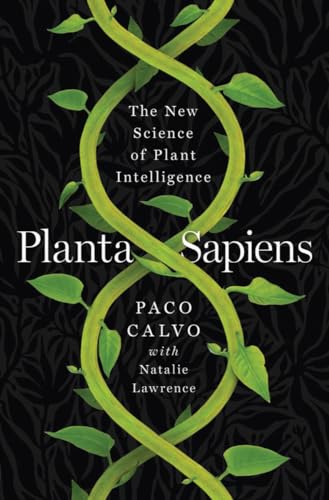
Planta Sapiens: The New Science of Plant Intelligence
Idioma: Inglés
Publicado por W. W. Norton & Company, 2023
ISBN 10: 0393881083 ISBN 13: 9780393881080
Librería: HPB-Red, Dallas, TX, Estados Unidos de America
Calificación del vendedor: 5 de 5 estrellas

EUR 9,00
Envío por EUR 3,28
Se envía dentro de Estados Unidos de AmericaCantidad disponible: 1 disponibles
Añadir al carritohardcover. Condición: Good. Connecting readers with great books since 1972! Used textbooks may not include companion materials such as access codes, etc. May have some wear or writing/highlighting. We ship orders daily and Customer Service is our top priority!
-
Planta Sapiens : The New Science of Plant Intelligence
Idioma: Inglés
Publicado por Norton & Company, Incorporated, W. W., 2023
ISBN 10: 0393881083 ISBN 13: 9780393881080
Librería: Better World Books, Mishawaka, IN, Estados Unidos de America
Calificación del vendedor: 5 de 5 estrellas
EUR 14,69
Gastos de envío gratis
Se envía dentro de Estados Unidos de AmericaCantidad disponible: 2 disponibles
Añadir al carritoCondición: Very Good. Former library copy. Pages intact with possible writing/highlighting. Binding strong with minor wear. Dust jackets/supplements may not be included. Includes library markings. Stock photo provided. Product includes identifying sticker. Better World Books: Buy Books. Do Good.
-

Planta Sapiens: The New Science of Plant Intelligence
Idioma: Inglés
Publicado por W. W. Norton & Company, 2023
ISBN 10: 0393881083 ISBN 13: 9780393881080
Librería: Zoom Books Company, Lynden, WA, Estados Unidos de America
Calificación del vendedor: 5 de 5 estrellas
EUR 15,89
Gastos de envío gratis
Se envía dentro de Estados Unidos de AmericaCantidad disponible: 1 disponibles
Añadir al carritoCondición: like_new.
-
Planta Sapiens: The New Science of Plant Intelligence
Idioma: Inglés
Publicado por W. W. Norton & Company, 2023
ISBN 10: 0393881083 ISBN 13: 9780393881080
Librería: HPB Inc., Dallas, TX, Estados Unidos de America
Calificación del vendedor: 5 de 5 estrellas
EUR 13,04
Envío por EUR 3,28
Se envía dentro de Estados Unidos de AmericaCantidad disponible: 1 disponibles
Añadir al carritohardcover. Condición: Very Good. Connecting readers with great books since 1972! Used books may not include companion materials, and may have some shelf wear or limited writing. We ship orders daily and Customer Service is our top priority!
-
Planta Sapiens Format: Paperback
Librería: INDOO, Avenel, NJ, Estados Unidos de America
Calificación del vendedor: 5 de 5 estrellas
EUR 21,92
Gastos de envío gratis
Se envía dentro de Estados Unidos de AmericaCantidad disponible: Más de 20 disponibles
Añadir al carritoCondición: New.
-
Planta Sapiens: The New Science of Plant Intelligence
Idioma: Inglés
Publicado por W. W. Norton & Company, 2023
ISBN 10: 0393881083 ISBN 13: 9780393881080
Librería: Sequitur Books, Boonsboro, MD, Estados Unidos de America
Miembro de asociación: IOBA
Calificación del vendedor: 5 de 5 estrellas
EUR 17,56
Envío por EUR 4,34
Se envía dentro de Estados Unidos de AmericaCantidad disponible: 1 disponibles
Añadir al carritohardcover. Condición: New. Hardcover and dust jacket. Good binding and cover. Clean, unmarked pages.
-

Planta Sapiens
Librería: Rarewaves USA, OSWEGO, IL, Estados Unidos de America
Calificación del vendedor: 5 de 5 estrellas
EUR 27,21
Gastos de envío gratis
Se envía dentro de Estados Unidos de AmericaCantidad disponible: 8 disponibles
Añadir al carritoHardback. Condición: New. Decades of research document plants' impressive abilities: they communicate with each other, manipulate other species, and move in sophisticated ways. Lesser known, however, is that although plants may not have brains, their internal workings reveal a system not unlike the neuronal networks running through our own bodies. They can learn and remember, possessing an intelligence that allows them to behave in flexible, forward-looking, and goal-directed ways.In Planta Sapiens, Paco Calvo, a leading figure in the philosophy of plant signaling and behavior, offers an entirely new perspective on plants' worlds, showing for the first time how we can use tools developed to study animal cognition in a quest to understand plant intelligence. Plants learn from experience: wild strawberries can be taught to link light intensity with nutrient levels in the soil, and flowers can time pollen production to pollinator visits. Plants have social intelligence, releasing chemicals from their roots and leaves to speak to and identify one another. They make decisions about where to invest their growth, judging risk based on the resources available. Their individual preferences vary, too-plants have personalities.Calvo also illuminates how plants inspire technological advancements, from robotics to AI. Most importantly, he demonstrates that plants are not objects: they have their own agency. If we recognize plants as actors alongside us in the climate crisis-rather than seeing them simply as resources for carbon capture and food production-plants may just be able to help us tackle our most urgent problems.
-

Planta Sapiens
Librería: Rarewaves.com USA, London, LONDO, Reino Unido
Calificación del vendedor: 5 de 5 estrellas
EUR 32,74
Gastos de envío gratis
Se envía de Reino Unido a Estados Unidos de AmericaCantidad disponible: 8 disponibles
Añadir al carritoHardback. Condición: New. Decades of research document plants' impressive abilities: they communicate with each other, manipulate other species, and move in sophisticated ways. Lesser known, however, is that although plants may not have brains, their internal workings reveal a system not unlike the neuronal networks running through our own bodies. They can learn and remember, possessing an intelligence that allows them to behave in flexible, forward-looking, and goal-directed ways.In Planta Sapiens, Paco Calvo, a leading figure in the philosophy of plant signaling and behavior, offers an entirely new perspective on plants' worlds, showing for the first time how we can use tools developed to study animal cognition in a quest to understand plant intelligence. Plants learn from experience: wild strawberries can be taught to link light intensity with nutrient levels in the soil, and flowers can time pollen production to pollinator visits. Plants have social intelligence, releasing chemicals from their roots and leaves to speak to and identify one another. They make decisions about where to invest their growth, judging risk based on the resources available. Their individual preferences vary, too-plants have personalities.Calvo also illuminates how plants inspire technological advancements, from robotics to AI. Most importantly, he demonstrates that plants are not objects: they have their own agency. If we recognize plants as actors alongside us in the climate crisis-rather than seeing them simply as resources for carbon capture and food production-plants may just be able to help us tackle our most urgent problems.
-
Planta Sapiens: The New Science of Plant Intelligence
Librería: Kennys Bookshop and Art Galleries Ltd., Galway, GY, Irlanda
Calificación del vendedor: 5 de 5 estrellas
EUR 29,98
Envío por EUR 10,50
Se envía de Irlanda a Estados Unidos de AmericaCantidad disponible: 15 disponibles
Añadir al carritoCondición: New. 2023. Hardback. . . . . .
-
Planta Sapiens: The New Science of Plant Intellignce // FIRST EDITION //
Librería: Margins13 Books, Redmond, WA, Estados Unidos de America
Calificación del vendedor: 5 de 5 estrellas
Original o primera edición
EUR 39,62
Envío por EUR 5,24
Se envía dentro de Estados Unidos de AmericaCantidad disponible: 1 disponibles
Añadir al carritoHardcover. Condición: New. Estado de la sobrecubierta: New. 1st Edition. STATED FIRST AMERICAN EDITION and Printing with full number line present. (Not later 2024 issue). Plants have personalities! A MINT volume in same condition UNclipped Dust Jacket. Fascinating subject. UNREAD and FLAWLESS, Gift condition. 285 pages. FIRST EDITION. Mylar protected jacket.
-
Planta Sapiens: The New Science of Plant Intelligence
Librería: Kennys Bookstore, Olney, MD, Estados Unidos de America
Calificación del vendedor: 5 de 5 estrellas
EUR 36,59
Envío por EUR 9,18
Se envía dentro de Estados Unidos de AmericaCantidad disponible: 15 disponibles
Añadir al carritoCondición: New. 2023. Hardback. . . . . . Books ship from the US and Ireland.
-
Planta Sapiens The New Science of Plant Intelligence
Librería: Revaluation Books, Exeter, Reino Unido
Calificación del vendedor: 5 de 5 estrellas
EUR 43,42
Envío por EUR 14,70
Se envía de Reino Unido a Estados Unidos de AmericaCantidad disponible: 1 disponibles
Añadir al carritoHardcover. Condición: Brand New. 285 pages. 9.25x6.25x1.00 inches. In Stock.
-

Planta Sapiens
Librería: Rarewaves USA United, OSWEGO, IL, Estados Unidos de America
Calificación del vendedor: 5 de 5 estrellas
EUR 34,49
Envío por EUR 43,71
Se envía dentro de Estados Unidos de AmericaCantidad disponible: 8 disponibles
Añadir al carritoHardback. Condición: New. Decades of research document plants' impressive abilities: they communicate with each other, manipulate other species, and move in sophisticated ways. Lesser known, however, is that although plants may not have brains, their internal workings reveal a system not unlike the neuronal networks running through our own bodies. They can learn and remember, possessing an intelligence that allows them to behave in flexible, forward-looking, and goal-directed ways.In Planta Sapiens, Paco Calvo, a leading figure in the philosophy of plant signaling and behavior, offers an entirely new perspective on plants' worlds, showing for the first time how we can use tools developed to study animal cognition in a quest to understand plant intelligence. Plants learn from experience: wild strawberries can be taught to link light intensity with nutrient levels in the soil, and flowers can time pollen production to pollinator visits. Plants have social intelligence, releasing chemicals from their roots and leaves to speak to and identify one another. They make decisions about where to invest their growth, judging risk based on the resources available. Their individual preferences vary, too-plants have personalities.Calvo also illuminates how plants inspire technological advancements, from robotics to AI. Most importantly, he demonstrates that plants are not objects: they have their own agency. If we recognize plants as actors alongside us in the climate crisis-rather than seeing them simply as resources for carbon capture and food production-plants may just be able to help us tackle our most urgent problems.
-

Planta Sapiens: The New Science of Plant Intelligence
Librería: moluna, Greven, Alemania
Calificación del vendedor: 5 de 5 estrellas
EUR 32,53
Envío por EUR 48,99
Se envía de Alemania a Estados Unidos de AmericaCantidad disponible: Más de 20 disponibles
Añadir al carritoCondición: New. Über den AutorPaco Calvo is a professor of the philosophy of science and principal investigator at the Universidad de Murcia s Minimal Intelligence Lab (MINT Lab) in Spain.KlappentextD.
-

Planta Sapiens
Librería: Rarewaves.com UK, London, Reino Unido
Calificación del vendedor: 5 de 5 estrellas
EUR 34,47
Envío por EUR 76,43
Se envía de Reino Unido a Estados Unidos de AmericaCantidad disponible: 8 disponibles
Añadir al carritoHardback. Condición: New. Decades of research document plants' impressive abilities: they communicate with each other, manipulate other species, and move in sophisticated ways. Lesser known, however, is that although plants may not have brains, their internal workings reveal a system not unlike the neuronal networks running through our own bodies. They can learn and remember, possessing an intelligence that allows them to behave in flexible, forward-looking, and goal-directed ways.In Planta Sapiens, Paco Calvo, a leading figure in the philosophy of plant signaling and behavior, offers an entirely new perspective on plants' worlds, showing for the first time how we can use tools developed to study animal cognition in a quest to understand plant intelligence. Plants learn from experience: wild strawberries can be taught to link light intensity with nutrient levels in the soil, and flowers can time pollen production to pollinator visits. Plants have social intelligence, releasing chemicals from their roots and leaves to speak to and identify one another. They make decisions about where to invest their growth, judging risk based on the resources available. Their individual preferences vary, too-plants have personalities.Calvo also illuminates how plants inspire technological advancements, from robotics to AI. Most importantly, he demonstrates that plants are not objects: they have their own agency. If we recognize plants as actors alongside us in the climate crisis-rather than seeing them simply as resources for carbon capture and food production-plants may just be able to help us tackle our most urgent problems.

