
Mujic julie (5 resultados)
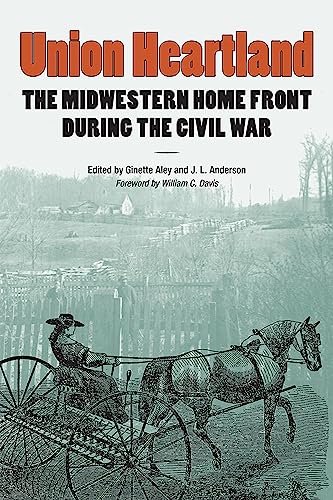
Union Heartland: The Midwestern Home Front during the Civil War
Aley, Ginette [Editor]; Anderson, Joseph L. [Editor]; Davis, William C. [Foreword]; Barker, Brett [Contributor]; Etcheson, Nicole [Contributor]; Gray, Michael P. [Contributor]; Hurt, R. Douglas [Contributor]; Mujic, Julie A. [Contributor];
- Tapa dura
Librería: Omaha Library Friends, Omaha, Estados Unidos de AmericaOmaha Library Friends
Contactar con el vendedorVendedor de 5 estrellasCondición: Usado - Como Nuevo
EUR 31,27
Envío por EUR 5,64Se envía dentro de Estados Unidos de AmericaCantidad disponible: 1 disponibles
hardcover. Condición: As New. Book is like new in all respects. Book was donated to Friends of Omaha Public Library.

Idioma: Inglés
Editorial: Fordham University Press, US 2018
Serie: The North's Civil War, Libro 2 de 14. Libro 2 de 14 - The North's Civil War
- Tapa dura
Librería: Rarewaves.com USA, London, Reino UnidoRarewaves.com USA
Contactar con el vendedorVendedor de 5 estrellasCondición: Nuevo
EUR 76,58
Gastos de envío gratisSe envía de Reino Unido a Estados Unidos de AmericaCantidad disponible: 1 disponibles
Hardback. Condición: New. Embroiled in the Civil War, northerners wrote and spoke with frequency about the subject of loyalty. The word was common in newspaper articles, political pamphlets, and speeches, appeared on flags, broadsides, and prints, was written into diaries and letters and the stationary they appeared on, and even… found its way into sermons. Its ubiquity suggests that loyalty was an important concept.but what did it mean to those who used it? Contested Loyalty examines the significance of loyalty across fault lines of gender, social class, and education, race and ethnicity, and political or religious affiliation. These differing vantage points reveal the complicated ways in which loyalties were defined, prioritized, acted upon, and related. While most of the scholarly work on Civil War Era nationalism has focused on southern identity and Confederate nationhood, the essays in Contested Loyalty examine the variable, fluid constructions of these concepts in the north. Essays explore the limitations and incomplete nature of national loyalty and how disparate groups struggled to control its meaning. The authors move beyond the narrow partisan debate over Democratic dissent to examine other challenges to and competing interpretations of national loyalty. Today's leading and emerging scholars examine loyalty through: the frame of politics at the state and national level; the viewpoints of college educated men as well as the women they courted; the attitudes of northern Protestant churches on issues of patriotism and loyalty; working class men and women in military industries; how employers could use the language of loyalty to take away the rights of workers; and the meaning of loyalty in contexts of race and ethnicity. The Union cause was a powerful ideology committing millions of citizens, in the ranks and at home, to a long and bloody war. But loyalty to the Union cause imperfectly explains how citizens reacted to the traumas of war or the ways in which conflicting loyalties played out in everyday life. The essays in this collection point us down the path of greater understanding.

Idioma: Inglés
Editorial: Fordham University Press, US 2018
Serie: The North's Civil War, Libro 2 de 14. Libro 2 de 14 - The North's Civil War
- Tapa dura
Librería: Rarewaves USA, OSWEGO, Estados Unidos de AmericaRarewaves USA
Contactar con el vendedorVendedor de 5 estrellasCondición: Nuevo
EUR 88,04
Gastos de envío gratisSe envía dentro de Estados Unidos de AmericaCantidad disponible: 9 disponibles
Hardback. Condición: New. Embroiled in the Civil War, northerners wrote and spoke with frequency about the subject of loyalty. The word was common in newspaper articles, political pamphlets, and speeches, appeared on flags, broadsides, and prints, was written into diaries and letters and the stationary they appeared on, and even… found its way into sermons. Its ubiquity suggests that loyalty was an important concept.but what did it mean to those who used it? Contested Loyalty examines the significance of loyalty across fault lines of gender, social class, and education, race and ethnicity, and political or religious affiliation. These differing vantage points reveal the complicated ways in which loyalties were defined, prioritized, acted upon, and related. While most of the scholarly work on Civil War Era nationalism has focused on southern identity and Confederate nationhood, the essays in Contested Loyalty examine the variable, fluid constructions of these concepts in the north. Essays explore the limitations and incomplete nature of national loyalty and how disparate groups struggled to control its meaning. The authors move beyond the narrow partisan debate over Democratic dissent to examine other challenges to and competing interpretations of national loyalty. Today's leading and emerging scholars examine loyalty through: the frame of politics at the state and national level; the viewpoints of college educated men as well as the women they courted; the attitudes of northern Protestant churches on issues of patriotism and loyalty; working class men and women in military industries; how employers could use the language of loyalty to take away the rights of workers; and the meaning of loyalty in contexts of race and ethnicity. The Union cause was a powerful ideology committing millions of citizens, in the ranks and at home, to a long and bloody war. But loyalty to the Union cause imperfectly explains how citizens reacted to the traumas of war or the ways in which conflicting loyalties played out in everyday life. The essays in this collection point us down the path of greater understanding.

Idioma: Inglés
Editorial: Fordham University Press, US 2018
Serie: The North's Civil War, Libro 2 de 14. Libro 2 de 14 - The North's Civil War
- Tapa dura
Librería: Rarewaves USA United, OSWEGO, Estados Unidos de AmericaRarewaves USA United
Contactar con el vendedorVendedor de 5 estrellasCondición: Nuevo
EUR 89,91
Envío por EUR 43,37Se envía dentro de Estados Unidos de AmericaCantidad disponible: 9 disponibles
Hardback. Condición: New. Embroiled in the Civil War, northerners wrote and spoke with frequency about the subject of loyalty. The word was common in newspaper articles, political pamphlets, and speeches, appeared on flags, broadsides, and prints, was written into diaries and letters and the stationary they appeared on, and even… found its way into sermons. Its ubiquity suggests that loyalty was an important concept.but what did it mean to those who used it? Contested Loyalty examines the significance of loyalty across fault lines of gender, social class, and education, race and ethnicity, and political or religious affiliation. These differing vantage points reveal the complicated ways in which loyalties were defined, prioritized, acted upon, and related. While most of the scholarly work on Civil War Era nationalism has focused on southern identity and Confederate nationhood, the essays in Contested Loyalty examine the variable, fluid constructions of these concepts in the north. Essays explore the limitations and incomplete nature of national loyalty and how disparate groups struggled to control its meaning. The authors move beyond the narrow partisan debate over Democratic dissent to examine other challenges to and competing interpretations of national loyalty. Today's leading and emerging scholars examine loyalty through: the frame of politics at the state and national level; the viewpoints of college educated men as well as the women they courted; the attitudes of northern Protestant churches on issues of patriotism and loyalty; working class men and women in military industries; how employers could use the language of loyalty to take away the rights of workers; and the meaning of loyalty in contexts of race and ethnicity. The Union cause was a powerful ideology committing millions of citizens, in the ranks and at home, to a long and bloody war. But loyalty to the Union cause imperfectly explains how citizens reacted to the traumas of war or the ways in which conflicting loyalties played out in everyday life. The essays in this collection point us down the path of greater understanding.

Idioma: Inglés
Editorial: Fordham University Press, US 2018
Serie: The North's Civil War, Libro 2 de 14. Libro 2 de 14 - The North's Civil War
- Tapa dura
Librería: Rarewaves.com UK, London, Reino UnidoRarewaves.com UK
Contactar con el vendedorVendedor de 5 estrellasCondición: Nuevo
EUR 71,18
Envío por EUR 75,18Se envía de Reino Unido a Estados Unidos de AmericaCantidad disponible: 1 disponibles
Hardback. Condición: New. Embroiled in the Civil War, northerners wrote and spoke with frequency about the subject of loyalty. The word was common in newspaper articles, political pamphlets, and speeches, appeared on flags, broadsides, and prints, was written into diaries and letters and the stationary they appeared on, and even… found its way into sermons. Its ubiquity suggests that loyalty was an important concept.but what did it mean to those who used it? Contested Loyalty examines the significance of loyalty across fault lines of gender, social class, and education, race and ethnicity, and political or religious affiliation. These differing vantage points reveal the complicated ways in which loyalties were defined, prioritized, acted upon, and related. While most of the scholarly work on Civil War Era nationalism has focused on southern identity and Confederate nationhood, the essays in Contested Loyalty examine the variable, fluid constructions of these concepts in the north. Essays explore the limitations and incomplete nature of national loyalty and how disparate groups struggled to control its meaning. The authors move beyond the narrow partisan debate over Democratic dissent to examine other challenges to and competing interpretations of national loyalty. Today's leading and emerging scholars examine loyalty through: the frame of politics at the state and national level; the viewpoints of college educated men as well as the women they courted; the attitudes of northern Protestant churches on issues of patriotism and loyalty; working class men and women in military industries; how employers could use the language of loyalty to take away the rights of workers; and the meaning of loyalty in contexts of race and ethnicity. The Union cause was a powerful ideology committing millions of citizens, in the ranks and at home, to a long and bloody war. But loyalty to the Union cause imperfectly explains how citizens reacted to the traumas of war or the ways in which conflicting loyalties played out in everyday life. The essays in this collection point us down the path of greater understanding.


