
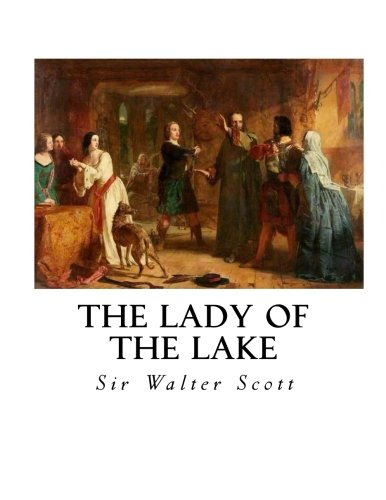
The Lady of the Lake
Rolfe, William J.; Scott, Walter
ISBN 10: 153367101X ISBN 13: 9781533671011
Editorial: Createspace Independent Publishing Platform, 2016
Usado
Paperback
Librería:
ThriftBooks-Atlanta, AUSTELL, GA, Estados Unidos de America
Calificación del vendedor: 5 de 5 estrellas

Vendedor de AbeBooks desde 24 de marzo de 2009
Este artículo en concreto ya no está disponible.
Descripción
Descripción:
Pages can have notes/highlighting. Spine may show signs of wear. ~ ThriftBooks: Read More, Spend Less. N° de ref. del artículo G153367101XI3N00
Sinopsis:
The Lady of the Lake
By Sir Walter Scott
Edited with Notes by William J. Rolfe
The Lady of the Lake is a narrative poem by Sir Walter Scott, first published in 1810. Set in the Trossachs region of Scotland, it is composed of six cantos, each of which concerns the action of a single day. The poem has three main plots: the contest among three men, Roderick Dhu, James Fitz-James, and Malcolm Graeme, to win the love of Ellen Douglas; the feud and reconciliation of King James V of Scotland and James Douglas; and a war between the lowland Scots (led by James V) and the highland clans (led by Roderick Dhu of Clan Alpine). The poem was tremendously influential in the nineteenth century, and inspired the Highland Revival.
By the late nineteenth century, however, the poem was much less popular. (It continued, however, to be a standard reading in elementary schools until the early twentieth century.) Its influence is indirect: Schubert's Ellens Dritter Gesang (later adapted to use the full lyrics of the Latin Ave Maria), Rossini's La Donna del Lago (1819), the Ku Klux Klan custom of cross burning, the last name of U.S. abolitionist Frederick Douglass, and the song "Hail to the Chief", were all inspired by the poem.
It shares its name with the Arthurian character, the Lady of the Lake. Other allusions to the legend are scant.
Reseña del editor:
The Lady of the Lake
By Sir Walter Scott
Edited with Notes by William J. Rolfe
The Lady of the Lake is a narrative poem by Sir Walter Scott, first published in 1810. Set in the Trossachs region of Scotland, it is composed of six cantos, each of which concerns the action of a single day. The poem has three main plots: the contest among three men, Roderick Dhu, James Fitz-James, and Malcolm Graeme, to win the love of Ellen Douglas; the feud and reconciliation of King James V of Scotland and James Douglas; and a war between the lowland Scots (led by James V) and the highland clans (led by Roderick Dhu of Clan Alpine). The poem was tremendously influential in the nineteenth century, and inspired the Highland Revival.
By the late nineteenth century, however, the poem was much less popular. (It continued, however, to be a standard reading in elementary schools until the early twentieth century.) Its influence is indirect: Schubert's Ellens Dritter Gesang (later adapted to use the full lyrics of the Latin Ave Maria), Rossini's La Donna del Lago (1819), the Ku Klux Klan custom of cross burning, the last name of U.S. abolitionist Frederick Douglass, and the song "Hail to the Chief", were all inspired by the poem.
It shares its name with the Arthurian character, the Lady of the Lake. Other allusions to the legend are scant.
"Sobre este título" puede pertenecer a otra edición de este libro.
Detalles bibliográficos
Título: The Lady of the Lake
Editorial: Createspace Independent Publishing Platform
Año de publicación: 2016
Encuadernación: Paperback
Condición: Good
Condición de la sobrecubierta: No Jacket
Los mejores resultados en AbeBooks

Imagen de archivo
The Lady of the Lake (Paperback)
Publicado por
Createspace Independent Publishing Platform, 2016
ISBN 10: 153367101X
ISBN 13: 9781533671011
Nuevo
Paperback
Librería: CitiRetail, Stevenage, Reino Unido
Calificación del vendedor: 5 de 5 estrellas
Paperback. Condición: new. Paperback. The Lady of the LakeBy Sir Walter ScottEdited with Notes by William J. RolfeThe Lady of the Lake is a narrative poem by Sir Walter Scott, first published in 1810. Set in the Trossachs region of Scotland, it is composed of six cantos, each of which concerns the action of a single day. The poem has three main plots: the contest among three men, Roderick Dhu, James Fitz-James, and Malcolm Graeme, to win the love of Ellen Douglas; the feud and reconciliation of King James V of Scotland and James Douglas; and a war between the lowland Scots (led by James V) and the highland clans (led by Roderick Dhu of Clan Alpine). The poem was tremendously influential in the nineteenth century, and inspired the Highland Revival.By the late nineteenth century, however, the poem was much less popular. (It continued, however, to be a standard reading in elementary schools until the early twentieth century.) Its influence is indirect: Schubert's Ellens Dritter Gesang (later adapted to use the full lyrics of the Latin Ave Maria), Rossini's La Donna del Lago (1819), the Ku Klux Klan custom of cross burning, the last name of U.S. abolitionist Frederick Douglass, and the song "Hail to the Chief," were all inspired by the poem.It shares its name with the Arthurian character, the Lady of the Lake. Other allusions to the legend are scant. This item is printed on demand. Shipping may be from our UK warehouse or from our Australian or US warehouses, depending on stock availability. Nº de ref. del artículo: 9781533671011
Comprar nuevo
EUR 21,43
Envío por EUR 42,80
Se envía de Reino Unido a Estados Unidos de America
Se envía de Reino Unido a Estados Unidos de America
Cantidad disponible: 1 disponibles
Imagen de archivo
The Lady of the Lake
Publicado por
Createspace Independent Publishing Platform, 2016
ISBN 10: 153367101X
ISBN 13: 9781533671011
Nuevo
Paperback
Librería: THE SAINT BOOKSTORE, Southport, Reino Unido
Calificación del vendedor: 5 de 5 estrellas
Paperback. Condición: New. This item is printed on demand. New copy - Usually dispatched within 5-9 working days. Nº de ref. del artículo: C9781533671011
Comprar nuevo
EUR 23,48
Envío por EUR 17,15
Se envía de Reino Unido a Estados Unidos de America
Se envía de Reino Unido a Estados Unidos de America
Cantidad disponible: Más de 20 disponibles