
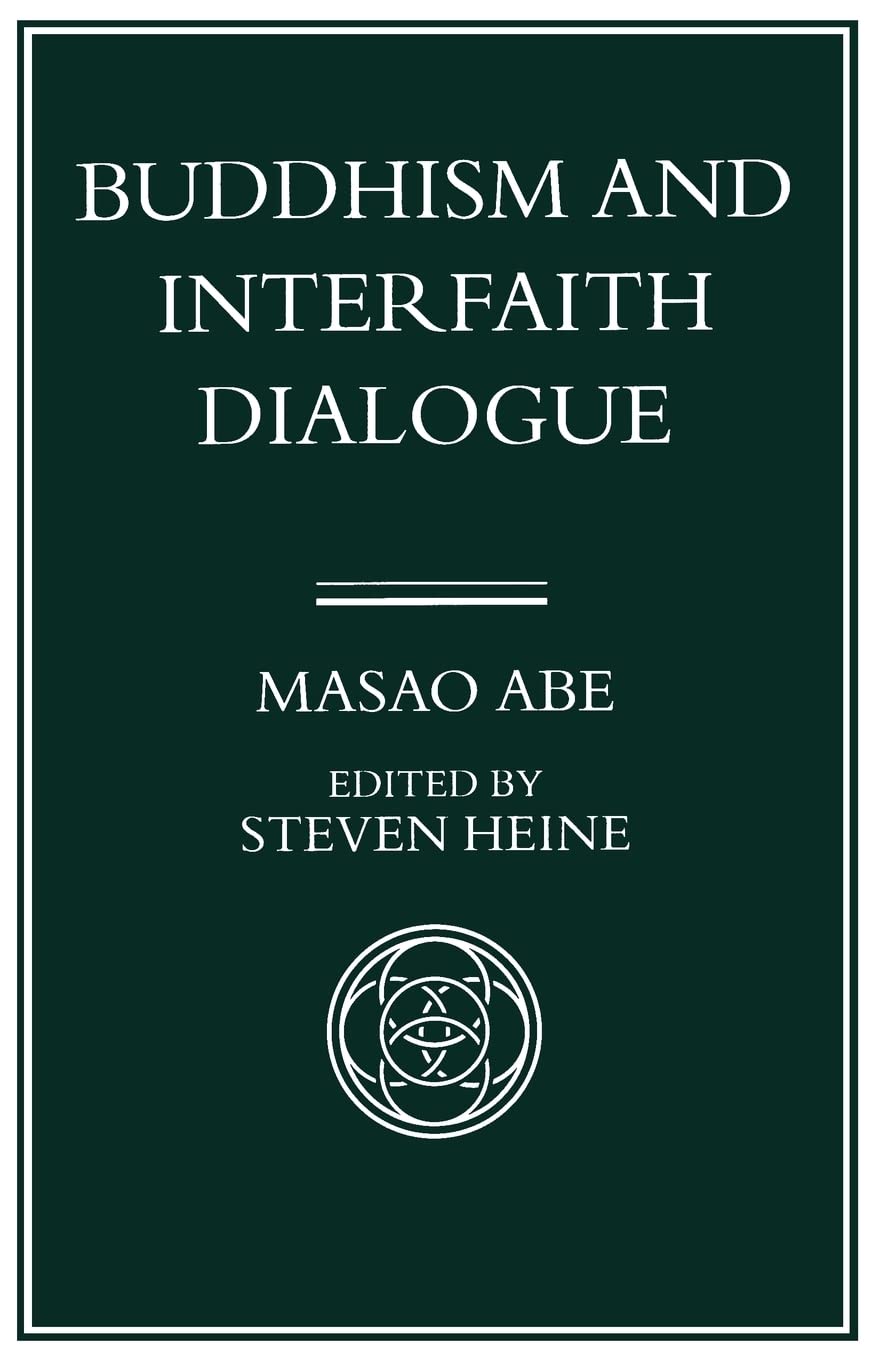

Buddhism and Interfaith Dialogue, Part One of a Two-Volume Sequel to Zen and Western Thought
Abe, Masao
ISBN 10: 0824817524 ISBN 13: 9780824817527
Editorial: University of Hawaii Press, 1995
Usado
Encuadernación de tapa blanda
Librería:
Bay State Book Company, North Smithfield, RI, Estados Unidos de America
Calificación del vendedor: 5 de 5 estrellas

Vendedor de AbeBooks desde 23 de enero de 2023
Este artículo en concreto ya no está disponible.
Descripción
Descripción:
N° de ref. del artículo BSM.UYRC
Sinopsis:
The first of a two-part sequel to the award-winning Zen and Western Thought, this book attempts to clarify a Buddhist view of interfaith dialogue from various points of view. The writings in this volume are divided into three parts.
Part One focuses on how Buddhism approaches and contributes to interfaith dialogue, that is, how Buddhism represents a methodological model that serves as a basis for the possibility of dialogical exchange.
Part Two contains four essays on the relationship between Buddhism and Paul Tillich, the leading modern systematic theologian who drew on mystical sources and was also receptive to Eastern thought in developing his understanding of non-being or negation.
Part Three continues a discussion of earlier themes and opens up several new issues, particularly those involving the role of meditation in the East and West and the ethical implications of the Buddhist doctrine of karma in comparison with Christian moral activity. Topics explored include the Buddhist notion of emptiness, liberation, justice, faith, and ethics.
Reseña del editor: The first of a two-part sequel to the award-winning Zen and Western Thought, this book attempts to clarify a Buddhist view of interfaith dialogue from various points of view. The writings in this volume are divided into three parts. Part One focuses on how Buddhism approaches and contributes to interfaith dialogue, that is, how Buddhism represents a methodological model that serves as a basis for the possibility of dialogical exchange. Part Two contains four essays on the relationship between Buddhism and Paul Tillich, the leading modern systematic theologian who drew on mystical sources and was also receptive to Eastern thought in developing his understanding of non-being or negation. Part Three continues a discussion of earlier themes and opens up several new issues, particularly those involving the role of meditation in the East and West and the ethical implications of the Buddhist doctrine of karma in comparison with Christian moral activity. Topics explored include the Buddhist notion of emptiness, liberation, justice, faith, and ethics.
"Sobre este título" puede pertenecer a otra edición de este libro.
Detalles bibliográficos
Título: Buddhism and Interfaith Dialogue, Part One ...
Editorial: University of Hawaii Press
Año de publicación: 1995
Encuadernación: Encuadernación de tapa blanda
Condición: very_good