
Artículos relacionados a Dervish: the Rise and Fall of an African Empire
Sinopsis
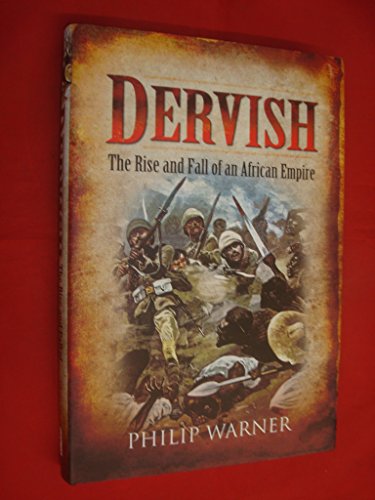
Dervish is the vivid and colourful story of one of the more remarkable episodes in the 'high Empire' period of British history. The Mahdi's rising in the Sudan in the 1880s starting as a localized Holy War against the 'decadent' Turkish/Egyptian overlords, engulfed a million square miles of arid territory and forced the British Liberal Government to get involved after the early disasters of the Hicks expedition and Gordon's death at Khartoum.The narrative, which makes excellent use of the first-hand diaries and reports, including those of Rider Haggard's brother Andrew and of Father Ohrwalder (the Austrian missionary who spent ten years of captivity in the Mahdi's camp), brilliantly describes the growth and strength of the Mahdist movement and the extraordinary devotion and discipline of the Dervish troops. Facing such opponents with stoic endurance were the British, Egyptian and Sudanese Negro soldiers, and the resulting military engagements evoked amazing feats of courage and derring-do on both sides.The Dervish Empire outlasted the Mahdi by thirteen years. It ended in the battle of Omdurman and Kitchener's reconquest of the Sudan, which was well supported by Reginald Wingate's military intelligence operations. It lasted a comparatively brief span of time, but it had been established at the expense not only of the neighbouring Abyssinians but also of the European white man, at a time when Britain was approaching the zenith of its imperial power.Philip Warner is author of Passchendale and The Zeebrugge Raid and numerous other first rate histories. He wrote the biographies of Auchinleck and Horrocks. He was the military obituary writer of The Daily Telegraph for many years. In WW2 he was a POW of the Japanese for 1,000 days. He died in 2000.
"Sinopsis" puede pertenecer a otra edición de este libro.
Críticas
"...vivid and colorful story of one of the more remarkable episodes in the "high Empire" period of British history...makes excellent use of the first hand diaries and reports...brilliantly describes the growth and strength of the Madhi movement and the extraordinary devotion and discipline of the Dervish troops."--Spartacus Review
Reseña del editor
Dervish is the vivid and colourful story of one of the more remarkable episodes in the 'high Empire' period of British history. The Mahdi's rising in the Sudan in the 1880s starting as a localized Holy War against the 'decadent' Turkish/Egyptian overlords, engulfed a million square miles of arid territory and forced the British Liberal Government to get involved after the early disasters of the Hicks expedition and Gordon's death at Khartoum.The narrative, which makes excellent use of the first-hand diaries and reports, including those of Rider Haggard's brother Andrew and of Father Ohrwalder (the Austrian missionary who spent ten years of captivity in the Mahdi's camp), brilliantly describes the growth and strength of the Mahdist movement and the extraordinary devotion and discipline of the Dervish troops. Facing such opponents with stoic endurance were the British, Egyptian and Sudanese Negro soldiers, and the resulting military engagements evoked amazing feats of courage and derring-do on both sides.The Dervish Empire outlasted the Mahdi by thirteen years. It ended in the battle of Omdurman and Kitchener's reconquest of the Sudan, which was well supported by Reginald Wingate's military intelligence operations. It lasted a comparatively brief span of time, but it had been established at the expense not only of the neighbouring Abyssinians but also of the European white man, at a time when Britain was approaching the zenith of its imperial power.Philip Warner is author of Passchendale and The Zeebrugge Raid and numerous other first rate histories. He wrote the biographies of Auchinleck and Horrocks. He was the military obituary writer of The Daily Telegraph for many years. In WW2 he was a POW of the Japanese for 1,000 days. He died in 2000.
"Sobre este título" puede pertenecer a otra edición de este libro.
Resultados de la búsqueda para Dervish: the Rise and Fall of an African Empire

Imagen de archivo
Dervish: The Rise and Fall of an African Empire
Publicado por
Pen and Sword Military, 2010
ISBN 10: 1848841108
ISBN 13: 9781848841109
Antiguo o usado
Tapa dura
Librería: Midtown Scholar Bookstore, Harrisburg, PA, Estados Unidos de America
Calificación del vendedor: 5 de 5 estrellas

hardcover. Condición: Very Good. With very good dust jacket. Very Good hardcover with light shelfwear - NICE! Standard-sized. Nº de ref. del artículo: mon0000323171
Comprar usado
EUR 4,42
Envío por EUR 5,23
Se envía dentro de Estados Unidos de America
Se envía dentro de Estados Unidos de America
Cantidad disponible: 1 disponibles
Imagen de archivo
Dervish: The Rise and Fall of an African Empire
Publicado por
Pen and Sword Military, 2010
ISBN 10: 1848841108
ISBN 13: 9781848841109
Antiguo o usado
Tapa dura
Librería: HPB-Emerald, Dallas, TX, Estados Unidos de America
Calificación del vendedor: 5 de 5 estrellas
hardcover. Condición: Very Good. Connecting readers with great books since 1972! Used books may not include companion materials, and may have some shelf wear or limited writing. We ship orders daily and Customer Service is our top priority! Nº de ref. del artículo: S_451286563
Comprar usado
EUR 8,97
Envío por EUR 3,27
Se envía dentro de Estados Unidos de America
Se envía dentro de Estados Unidos de America
Cantidad disponible: 1 disponibles
Imagen del vendedor
Dervish: The Rise and Fall of an African Empire
Publicado por
Pen & Sword, 2010
ISBN 10: 1848841108
ISBN 13: 9781848841109
Antiguo o usado
Tapa dura
Librería: The Haunted Bookshop, LLC, Iowa City, IA, Estados Unidos de America
Calificación del vendedor: 5 de 5 estrellas
Hardcover. Condición: Fine. Estado de la sobrecubierta: Near Fine. No owners' marks; pages are clean, crisp and bright; binding is square and tight; there is some gentle, shallow wrinkling on the upper jacket edges, otherwise as new. Nº de ref. del artículo: 055605
Comprar usado
EUR 8,08
Envío por EUR 4,79
Se envía dentro de Estados Unidos de America
Se envía dentro de Estados Unidos de America
Cantidad disponible: 1 disponibles
Imagen de archivo
Dervish: the Rise and Fall of an African Empire
Publicado por
Pen and Sword Military, 2010
ISBN 10: 1848841108
ISBN 13: 9781848841109
Antiguo o usado
Tapa dura
Librería: WorldofBooks, Goring-By-Sea, WS, Reino Unido
Calificación del vendedor: 5 de 5 estrellas
Hardback. Condición: Very Good. The book has been read, but is in excellent condition. Pages are intact and not marred by notes or highlighting. The spine remains undamaged. Nº de ref. del artículo: GOR005642239
Comprar usado
EUR 7,59
Envío por EUR 6,53
Se envía de Reino Unido a Estados Unidos de America
Se envía de Reino Unido a Estados Unidos de America
Cantidad disponible: 6 disponibles
Imagen de archivo
Dervish: The Rise and Fall of an African Empire
Publicado por
Pen and Sword, Barnsley, S. Yorkshire, 2010
ISBN 10: 1848841108
ISBN 13: 9781848841109
Antiguo o usado
Tapa dura
Librería: Old Army Books, Lexington, KY, Estados Unidos de America
Calificación del vendedor: 5 de 5 estrellas
Hardcover. Condición: Fine. Estado de la sobrecubierta: Fine. Reprint. Illus. , maps, jacket now in a clear protector; 235 pages. Nº de ref. del artículo: 33348
Comprar usado
EUR 10,77
Envío por EUR 4,36
Se envía dentro de Estados Unidos de America
Se envía dentro de Estados Unidos de America
Cantidad disponible: 1 disponibles
Imagen de archivo
Dervish: The Rise and Fall of an African Empire
Librería: AwesomeBooks, Wallingford, Reino Unido
Calificación del vendedor: 5 de 5 estrellas
Hardcover. Condición: Very Good. Dervish: The Rise and Fall of an African Empire This book is in very good condition and will be shipped within 24 hours of ordering. The cover may have some limited signs of wear but the pages are clean, intact and the spine remains undamaged. This book has clearly been well maintained and looked after thus far. Money back guarantee if you are not satisfied. See all our books here, order more than 1 book and get discounted shipping. Nº de ref. del artículo: 7719-9781848841109
Comprar usado
EUR 11,51
Envío por EUR 4,81
Se envía de Reino Unido a Estados Unidos de America
Se envía de Reino Unido a Estados Unidos de America
Cantidad disponible: 2 disponibles
Imagen de archivo
Dervish: The Rise and Fall of an African Empire
Librería: Bahamut Media, Reading, Reino Unido
Calificación del vendedor: 5 de 5 estrellas
Hardcover. Condición: Very Good. This book is in very good condition and will be shipped within 24 hours of ordering. The cover may have some limited signs of wear but the pages are clean, intact and the spine remains undamaged. This book has clearly been well maintained and looked after thus far. Money back guarantee if you are not satisfied. See all our books here, order more than 1 book and get discounted shipping. Nº de ref. del artículo: 6545-9781848841109
Comprar usado
EUR 11,30
Envío por EUR 8,14
Se envía de Reino Unido a Estados Unidos de America
Se envía de Reino Unido a Estados Unidos de America
Cantidad disponible: 2 disponibles
Imagen de archivo
Dervish: The Rise and Fall of an African Empire
Librería: Gold Country Books, Sacramento, CA, Estados Unidos de America
Calificación del vendedor: 4 de 5 estrellas

Hardcover. Condición: New. Estado de la sobrecubierta: New. Brand new. No markings. Jacket not clipped. 16 pages of photographs, 5 maps. // Shipped carefully packed in a sturdy box. Nº de ref. del artículo: 011889
Comprar nuevo
EUR 14,55
Envío por EUR 6,75
Se envía dentro de Estados Unidos de America
Se envía dentro de Estados Unidos de America
Cantidad disponible: 1 disponibles
Imagen del vendedor
DERVISH: The Rise And Fall Of An African Empire
Librería: Fleur Fine Books, Port Neches, TX, Estados Unidos de America
Calificación del vendedor: 5 de 5 estrellas
HARDCOVER. Condición: New. Pen and Sword. New. 'Dervish' is the vivid and colorful story of one of the more remarkable episodes in the 'high Empire' period of British history. The Mahdi's rising in the Sudan in the 1880s starting as a localized Holy War against the 'decadent' Turkish/Egyptian overlords, engulfed a million square miles of arid territory and forced the British Liberal Government to get involved after the early disasters of the Hicks expedition and Gordon's death at Khartoum.The narrative, which makes excellent use of the first-hand diaries and reports, including those of Rider Haggard's brother Andrew and of Father Ohrwalder (the Austrian missionary who spent ten years of captivity in the Mahdi's camp), brilliantly describes the growth and strength of the Mahdist movement and the extraordinary devotion and discipline of the Dervish troops. Facing such opponents with stoic endurance were the British, Egyptian and Sudanese Negro soldiers, and the resulting military engagements evoked amazing feats of courage and derring-do on both sides. The Dervish Empire outlasted the Mahdi by thirteen years. It ended in the battle of Omdurman and Kitchener's reconquest of the Sudan, which was well supported by Reginald Wingate's military intelligence operations. It lasted a comparatively brief span of time, but it had been established at the expense not only of the neighboring Abyssinians but also of the European white man, at a time when Britain was approaching the zenith of its imperial power.returncharacterreturncharacter returncharacterreturncharacter REVIEWS returncharacterreturncharacter".vivid and colorful story of one of the more remarkable episodes in the "high Empire" period of British history.makes excellent use of the first hand diaries and reports.brilliantly describes the growth and strength of the Madhi movement and the extraordinary devotion and discipline of the Dervish troops." . 2010. HARDCOVER. Nº de ref. del artículo: 9781848841109
Comprar nuevo
EUR 18,80
Envío por EUR 6,10
Se envía dentro de Estados Unidos de America
Se envía dentro de Estados Unidos de America
Cantidad disponible: 1 disponibles
Imagen del vendedor
Dervish: the Rise and Fall of an African Empire
Publicado por
Pen & Sword Military, 2010
ISBN 10: 1848841108
ISBN 13: 9781848841109
Antiguo o usado
Tapa dura
Librería: MW Books, New York, NY, Estados Unidos de America
Calificación del vendedor: 5 de 5 estrellas
Reprint. Near fine cloth copy in a near-fine, somewhat edge-bumped and dust-dulled dust-wrapper. Remains well-preserved overall. Not rice-clipped. Series; Wordsworth military library. Physical description; 235p : ill. ; 22cm. Subjects; Sudan History 1881-1899. Sudan History Military 19th century. Philip Warner. The Dervish. Wordsworth Editions 2000. Sudanese history. Mahdist War. Kitchener. Sudan campaign. 19th century military history. British imperial warfare. African history. Victorian military history. Illustrated history. Colonial conflict. Battle of Omdurman. Khartoum. Gordon. Mahdi. Dervish forces. Anglo-Egyptian conquest. Military campaigns. 1 Kg. Nº de ref. del artículo: 479905
Comprar usado
EUR 27,42
Gastos de envío gratis
Se envía dentro de Estados Unidos de America
Se envía dentro de Estados Unidos de America
Cantidad disponible: 1 disponibles