
Artículos relacionados a Anime: A Critical Introduction (Film Genres)
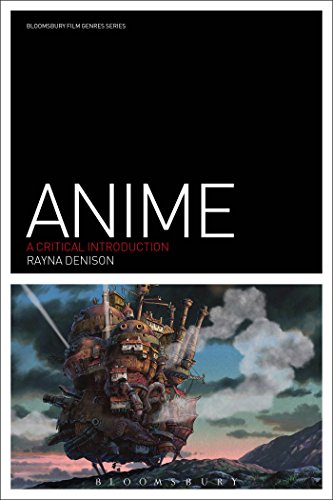
Sinopsis
Anime: A Critical Introduction maps the genres that have thrived within Japanese animation culture, and shows how a wide range of commentators have made sense of anime through discussions of its generic landscape. From the battling robots that define the mecha genre through to Studio Ghibli's dominant genre-brand of plucky shojo (young girl) characters, this book charts the rise of anime as a globally significant category of animation. It further thinks through the differences between anime's local and global genres: from the less-considered niches like nichijo-kei (everyday style anime) through to the global popularity of science fiction anime, this book tackles the tensions between the markets and audiences for anime texts.
Anime is consequently understood in this book as a complex cultural phenomenon: not simply a "genre," but as an always shifting and changing set of texts. Its inherent changeability makes anime an ideal contender for global dissemination, as it can be easily re-edited, translated and then newly understood as it moves through the world's animation markets. As such, Anime: A Critical Introduction explores anime through a range of debates that have emerged around its key film texts, through discussions of animation and violence, through debates about the cyborg and through the differences between local and global understandings of anime products. Anime: A Critical Introduction uses these debates to frame a different kind of understanding of anime, one rooted in contexts, rather than just texts. In this way, Anime: A Critical Introduction works to create a space in which we can rethink the meanings of anime as it travels around the world.
"Sinopsis" puede pertenecer a otra edición de este libro.
Acerca del autor
Rayna Denison is Senior Lecturer in the School of Art, Media and American Studies at the University of East Anglia, UK, specializing in Japanese and Asian film and television cultures. Denison is the author of Anime: A Critical Introduction (2015), has co-edited the Eisner Award-nominated Superheroes on World Screens (2015) as well as publishing in a wide range of academic journals including Cinema Journal, the International Journal of Cultural Studies and Velvet Light Trap. Her research interests include anime, Japanese cinema, comic book movies and children's film and television, especially animation.
"Sobre este título" puede pertenecer a otra edición de este libro.
Resultados de la búsqueda para Anime: A Critical Introduction (Film Genres)

Imagen del vendedor
Anime: A Critical Introduction (Film Genres)
Publicado por
Bloomsbury Academic, 2015
ISBN 10: 1847884792
ISBN 13: 9781847884794
Antiguo o usado
Tapa blanda
Librería: Used Book Company, Egg Harbor Township, NJ, Estados Unidos de America
Calificación del vendedor: 5 de 5 estrellas

Condición: As New. Shows minimal signs of wear and previous use. Can include minimal notes/highlighting. A portion of your purchase benefits nonprofits! - Note: Edition & format may differ from what is shown in stock photo & item details. May not include supplementary material (toys, access code, dvds, etc). Nº de ref. del artículo: UBCV.1847884792.LN
Comprar usado
EUR 25,55
Gastos de envío gratis
Se envía dentro de Estados Unidos de America
Se envía dentro de Estados Unidos de America
Cantidad disponible: 1 disponibles
Imagen de archivo
Anime: A Critical Introduction
Publicado por
Bloomsbury Publishing PLC, 2015
ISBN 10: 1847884792
ISBN 13: 9781847884794
Antiguo o usado
Paperback
Librería: World of Books (was SecondSale), Montgomery, IL, Estados Unidos de America
Calificación del vendedor: 5 de 5 estrellas
Paperback. Condición: Good. Anime: A Critical Introduction maps the genres that have thrived within Japanese animation culture, and shows how a wide range of commentators have made sense of anime through discussions of its generic landscape. From the battling robots that define the mecha genre through to Studio Ghibli?s dominant genre-brand of plucky shojo (young girl) characters, this book charts the rise of anime as a globally significant category of animation. It further thinks through the differences between anime?s local and global genres: from the less-considered niches like nichijo-kei (everyday style anime) through to the global popularity of science fiction anime, this book tackles the tensions between the markets and audiences for anime texts. Anime is consequently understood in this book as a complex cultural phenomenon: not simply a ?genre,? but as an always shifting and changing set of texts. Its inherent changeability makes anime an ideal contender for global dissemination, as it can be easily re-edited, translated and then newly understood as it moves through the world?s animation markets. As such, Anime: A Critical Introduction explores anime through a range of debates that have emerged around its key film texts, through discussions of animation and violence, through debates about the cyborg and through the differences between local and global understandings of anime products. Anime: A Critical Introduction uses these debates to frame a different kind of understanding of anime, one rooted in contexts, rather than just texts. In this way, Anime: A Critical Introduction works to create a space in which we can rethink the meanings of anime as it travels around the world. Nº de ref. del artículo: CIN1847884792G
Comprar usado
EUR 28,42
Gastos de envío gratis
Se envía dentro de Estados Unidos de America
Se envía dentro de Estados Unidos de America
Cantidad disponible: 1 disponibles
Imagen de archivo
Anime: A Critical Introduction
Publicado por
Bloomsbury Publishing PLC, 2015
ISBN 10: 1847884792
ISBN 13: 9781847884794
Antiguo o usado
Paperback
Librería: World of Books Inc, Montgomery, IL, Estados Unidos de America
Calificación del vendedor: 4 de 5 estrellas

Paperback. Condición: Good. Anime: A Critical Introduction maps the genres that have thrived within Japanese animation culture, and shows how a wide range of commentators have made sense of anime through discussions of its generic landscape. From the battling robots that define the mecha genre through to Studio Ghibli?s dominant genre-brand of plucky shojo (young girl) characters, this book charts the rise of anime as a globally significant category of animation. It further thinks through the differences between anime?s local and global genres: from the less-considered niches like nichijo-kei (everyday style anime) through to the global popularity of science fiction anime, this book tackles the tensions between the markets and audiences for anime texts. Anime is consequently understood in this book as a complex cultural phenomenon: not simply a ?genre,? but as an always shifting and changing set of texts. Its inherent changeability makes anime an ideal contender for global dissemination, as it can be easily re-edited, translated and then newly understood as it moves through the world?s animation markets. As such, Anime: A Critical Introduction explores anime through a range of debates that have emerged around its key film texts, through discussions of animation and violence, through debates about the cyborg and through the differences between local and global understandings of anime products. Anime: A Critical Introduction uses these debates to frame a different kind of understanding of anime, one rooted in contexts, rather than just texts. In this way, Anime: A Critical Introduction works to create a space in which we can rethink the meanings of anime as it travels around the world. Nº de ref. del artículo: CIN1847884792G
Comprar usado
EUR 30,26
Gastos de envío gratis
Se envía dentro de Estados Unidos de America
Se envía dentro de Estados Unidos de America
Cantidad disponible: 1 disponibles
Imagen de archivo
Anime: A Critical Introduction (Film Genres)
Publicado por
Bloomsbury Academic, 2015
ISBN 10: 1847884792
ISBN 13: 9781847884794
Antiguo o usado
Paperback
Librería: WorldofBooks, Goring-By-Sea, WS, Reino Unido
Calificación del vendedor: 5 de 5 estrellas
Paperback. Condición: Very Good. The book has been read, but is in excellent condition. Pages are intact and not marred by notes or highlighting. The spine remains undamaged. Nº de ref. del artículo: GOR007239062
Comprar usado
EUR 23,99
Envío por EUR 6,61
Se envía de Reino Unido a Estados Unidos de America
Se envía de Reino Unido a Estados Unidos de America
Cantidad disponible: 2 disponibles
Imagen de archivo
Anime: A Critical Introduction (Film Genres)
Publicado por
Bloomsbury Academic, 2015
ISBN 10: 1847884792
ISBN 13: 9781847884794
Antiguo o usado
Paperback
Librería: HPB-Red, Dallas, TX, Estados Unidos de America
Calificación del vendedor: 5 de 5 estrellas
Paperback. Condición: Acceptable. Connecting readers with great books since 1972. Used textbooks may not include companion materials such as access codes, etc. May have condition issues including wear and notes/highlighting. We ship orders daily and Customer Service is our top priority! Nº de ref. del artículo: S_475502628
Comprar usado
EUR 29,37
Envío por EUR 3,34
Se envía dentro de Estados Unidos de America
Se envía dentro de Estados Unidos de America
Cantidad disponible: 1 disponibles
Imagen de archivo
Anime: A Critical Introduction
Publicado por
Bloomsbury Academic, 2015
ISBN 10: 1847884792
ISBN 13: 9781847884794
Nuevo
Tapa blanda
Librería: Brook Bookstore On Demand, Napoli, NA, Italia
Calificación del vendedor: 5 de 5 estrellas
Condición: new. Nº de ref. del artículo: 7d255bbeb235c079a61b4db8276c281d
Comprar nuevo
EUR 33,30
Envío por EUR 5,50
Se envía de Italia a Estados Unidos de America
Se envía de Italia a Estados Unidos de America
Cantidad disponible: 5 disponibles
Imagen de archivo
Anime: A Critical Introduction (Film Genres)
Publicado por
Bloomsbury Academic, 2015
ISBN 10: 1847884792
ISBN 13: 9781847884794
Nuevo
Tapa blanda
Librería: INDOO, Avenel, NJ, Estados Unidos de America
Calificación del vendedor: 5 de 5 estrellas
Condición: New. Nº de ref. del artículo: 9781847884794
Comprar nuevo
EUR 40,94
Gastos de envío gratis
Se envía dentro de Estados Unidos de America
Se envía dentro de Estados Unidos de America
Cantidad disponible: 20 disponibles
Imagen del vendedor
Anime
Publicado por
Bloomsbury Publishing PLC, GB, 2015
ISBN 10: 1847884792
ISBN 13: 9781847884794
Nuevo
Paperback
Librería: Rarewaves.com USA, London, LONDO, Reino Unido
Calificación del vendedor: 5 de 5 estrellas
Paperback. Condición: New. Anime: A Critical Introduction maps the genres that have thrived within Japanese animation culture, and shows how a wide range of commentators have made sense of anime through discussions of its generic landscape. From the battling robots that define the mecha genre through to Studio Ghibli's dominant genre-brand of plucky shojo (young girl) characters, this book charts the rise of anime as a globally significant category of animation. It further thinks through the differences between anime's local and global genres: from the less-considered niches like nichijo-kei (everyday style anime) through to the global popularity of science fiction anime, this book tackles the tensions between the markets and audiences for anime texts. Anime is consequently understood in this book as a complex cultural phenomenon: not simply a "genre," but as an always shifting and changing set of texts. Its inherent changeability makes anime an ideal contender for global dissemination, as it can be easily re-edited, translated and then newly understood as it moves through the world's animation markets. As such, Anime: A Critical Introduction explores anime through a range of debates that have emerged around its key film texts, through discussions of animation and violence, through debates about the cyborg and through the differences between local and global understandings of anime products. Anime: A Critical Introduction uses these debates to frame a different kind of understanding of anime, one rooted in contexts, rather than just texts. In this way, Anime: A Critical Introduction works to create a space in which we can rethink the meanings of anime as it travels around the world. Nº de ref. del artículo: LU-9781847884794
Comprar nuevo
EUR 40,96
Gastos de envío gratis
Se envía de Reino Unido a Estados Unidos de America
Se envía de Reino Unido a Estados Unidos de America
Cantidad disponible: 5 disponibles
Imagen de archivo
Anime
Librería: PBShop.store US, Wood Dale, IL, Estados Unidos de America
Calificación del vendedor: 5 de 5 estrellas
PAP. Condición: New. New Book. Shipped from UK. Established seller since 2000. Nº de ref. del artículo: HU-9781847884794
Comprar nuevo
EUR 42,34
Gastos de envío gratis
Se envía dentro de Estados Unidos de America
Se envía dentro de Estados Unidos de America
Cantidad disponible: 10 disponibles
Imagen de archivo
Anime: A Critical Introduction (Film Genres)
Publicado por
Bloomsbury Academic, 2015
ISBN 10: 1847884792
ISBN 13: 9781847884794
Nuevo
Tapa blanda
Librería: Books Puddle, Woodside, NY, Estados Unidos de America
Calificación del vendedor: 4 de 5 estrellas
Condición: New. pp. 200. Nº de ref. del artículo: 26372235290
Comprar nuevo
EUR 39,70
Envío por EUR 3,56
Se envía dentro de Estados Unidos de America
Se envía dentro de Estados Unidos de America
Cantidad disponible: 1 disponibles