
Artículos relacionados a Tracking the Neolithic House in Europe: Sedentism,...
Tracking the Neolithic House in Europe: Sedentism, Architecture and Practice (One World Archaeology) - Tapa dura
Libro 33 de 57: One World Archaeology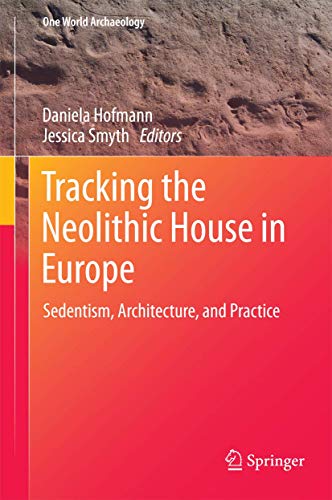
Sinopsis
The Neolithic period is noted primarily for the change from hunter-gatherer societies to agriculture, domestication and sedentism. This change has been studied in the past by archaeologists observing the movements of plants, animals and people. But has not been examined by looking at the domestic architecture of the time. Along with tracking the movement of sedentism, Neolithic houses are also able to show researchers the beginnings of cultural identity, group representation through the construction and decoration of these structures. Additionally as agriculture moved west and north in this era, the architecture and material culture shows this change and its significance. Chapters are arranged chronologically so that authors can address differences and similarities of their region to neighboring ones. To ensure continuity, authors have framed the chapters around the following considerations: construction materials and architectural characteristics; how houses facilitated or perpetua
"Sinopsis" puede pertenecer a otra edición de este libro.
De la contraportada
The Neolithic period sees the transformation from hunter-gatherer societies to farming groups, practising agriculture, domestication and sedentism. This lifestyle spread gradually from the Near East into Europe, and archaeologists have long focused on observing the movements of plants, animals and people. However, the changes in domestic architecture of the time have not been examined from an explicitly comparative perspective. Tracking the Neolithic house in Europe: Sedentism, Architecture, and Practice explores the ways in which the transition to sedentism is played out in the earliest houses in the Near East and across Europe.
Along with tracking sedentism, Neolithic houses also allow researchers to address changing cultural and group identity, and the varying social and cosmological significance of building. All these aspects alter considerably as one moves westwards and northwards across the European continent and as sedentism becomes more established in each region.
Chapters are arranged geographically and chronologically to allow for easy comparisons between neighbouring areas. Contributors address:
· Construction materials and architectural characteristics
· How houses facilitated certain kinds of routine practice and dwelling
· The cosmological dimensions of domestic architecture
· The role of tradition and change
Three insightful discussion chapters―on the continent-wide development of Neolithic architecture over time, archaeological approaches to buildings, and anthropological perspectives―round off the volume. Tracking the Neolithic House in Europe: Sedentism, Architecture, and Practice is for archaeologists, anthropologists, and any student of the Neolithic.
"Sobre este título" puede pertenecer a otra edición de este libro.
Resultados de la búsqueda para Tracking the Neolithic House in Europe: Sedentism,...

Imagen de archivo
Tracking the Neolithic House in Europe (eng)
Impresión bajo demandaLibrería: Brook Bookstore On Demand, Napoli, NA, Italia
Calificación del vendedor: 5 de 5 estrellas

Condición: new. Questo è un articolo print on demand. Nº de ref. del artículo: e56ef1c8d881e7c5c8f53d130a3597cc
Comprar nuevo
EUR 46,22
Envío por EUR 8,00
Se envía de Italia a Estados Unidos de America
Se envía de Italia a Estados Unidos de America
Cantidad disponible: Más de 20 disponibles
Imagen del vendedor
Tracking the Neolithic House in Europe : Sedentism, Architecture and Practice
Librería: GreatBookPrices, Columbia, MD, Estados Unidos de America
Calificación del vendedor: 5 de 5 estrellas
Condición: New. Nº de ref. del artículo: 19172350-n
Comprar nuevo
EUR 54,76
Envío por EUR 2,36
Se envía dentro de Estados Unidos de America
Se envía dentro de Estados Unidos de America
Cantidad disponible: Más de 20 disponibles
Imagen de archivo
Tracking the Neolithic House in Europe: Sedentism, Architecture and Practice (One World Archaeology)
Librería: Anybook.com, Lincoln, Reino Unido
Calificación del vendedor: 5 de 5 estrellas
Condición: Good. This is an ex-library book and may have the usual library/used-book markings inside.This book has hardback covers. In good all round condition. No dust jacket. Please note the Image in this listing is a stock photo and may not match the covers of the actual item,850grams, ISBN:9781461452881. Nº de ref. del artículo: 8617115
Comprar usado
EUR 49,34
Envío por EUR 15,85
Se envía de Reino Unido a Estados Unidos de America
Se envía de Reino Unido a Estados Unidos de America
Cantidad disponible: 1 disponibles
Imagen del vendedor
Tracking the Neolithic House in Europe : Sedentism, Architecture and Practice
Librería: GreatBookPrices, Columbia, MD, Estados Unidos de America
Calificación del vendedor: 5 de 5 estrellas
Condición: As New. Unread book in perfect condition. Nº de ref. del artículo: 19172350
Comprar usado
EUR 62,98
Envío por EUR 2,36
Se envía dentro de Estados Unidos de America
Se envía dentro de Estados Unidos de America
Cantidad disponible: Más de 20 disponibles
Imagen del vendedor
Tracking the Neolithic House in Europe
Publicado por
Springer New York Dez 2012, 2012
ISBN 10: 1461452880
ISBN 13: 9781461452881
Nuevo
Tapa dura
Librería: BuchWeltWeit Ludwig Meier e.K., Bergisch Gladbach, Alemania
Calificación del vendedor: 5 de 5 estrellas
Buch. Condición: Neu. This item is printed on demand - it takes 3-4 days longer - Neuware -The Neolithic period is noted primarily for the change from hunter-gatherer societies to agriculture, domestication and sedentism. This change has been studied in the past by archaeologists observing the movements of plants, animals and people. But has not been examined by looking at the domestic architecture of the time. Along with tracking the movement of sedentism, Neolithic houses are also able to show researchers the beginnings of cultural identity, group representation through the construction and decoration of these structures. Additionally as agriculture moved west and north in this era, the architecture and material culture shows this change and its significance. Chapters are arranged chronologically so that authors can address differences and similarities of their region to neighboring ones. To ensure continuity, authors have framed the chapters around the following considerations: construction materials and architectural characteristics; how houses facilitated or perpetua 416 pp. Englisch. Nº de ref. del artículo: 9781461452881
Comprar nuevo
EUR 53,49
Envío por EUR 23,00
Se envía de Alemania a Estados Unidos de America
Se envía de Alemania a Estados Unidos de America
Cantidad disponible: 2 disponibles
Imagen de archivo
Tracking the Neolithic House in Europe : Sedentism, Architecture and Practice
Librería: GreatBookPricesUK, Woodford Green, Reino Unido
Calificación del vendedor: 5 de 5 estrellas
Condición: New. Nº de ref. del artículo: 19172350-n
Comprar nuevo
EUR 68,08
Envío por EUR 17,98
Se envía de Reino Unido a Estados Unidos de America
Se envía de Reino Unido a Estados Unidos de America
Cantidad disponible: Más de 20 disponibles
Imagen del vendedor
Tracking the Neolithic House in Europe : Sedentism, Architecture and Practice
Librería: GreatBookPricesUK, Woodford Green, Reino Unido
Calificación del vendedor: 5 de 5 estrellas
Condición: As New. Unread book in perfect condition. Nº de ref. del artículo: 19172350
Comprar usado
EUR 69,04
Envío por EUR 17,98
Se envía de Reino Unido a Estados Unidos de America
Se envía de Reino Unido a Estados Unidos de America
Cantidad disponible: Más de 20 disponibles
Imagen del vendedor
Tracking the Neolithic House in Europe
Impresión bajo demandaLibrería: moluna, Greven, Alemania
Calificación del vendedor: 5 de 5 estrellas
Gebunden. Condición: New. Dieser Artikel ist ein Print on Demand Artikel und wird nach Ihrer Bestellung fuer Sie gedruckt. Unique approach to studying the change in society in the NeolithiceExamines the issue on an international scaleAuthors follow a prescribed set of themes to ensure comparison between chaptersThe Neolithic period is noted primarily fo. Nº de ref. del artículo: 4198702
Comprar nuevo
EUR 47,23
Envío por EUR 48,99
Se envía de Alemania a Estados Unidos de America
Se envía de Alemania a Estados Unidos de America
Cantidad disponible: Más de 20 disponibles
Imagen de archivo
Tracking the Neolithic House in Europe
Librería: Books Puddle, Woodside, NY, Estados Unidos de America
Calificación del vendedor: 4 de 5 estrellas

Condición: New. pp. 416. Nº de ref. del artículo: 2654525902
Comprar nuevo
EUR 93,10
Envío por EUR 3,56
Se envía dentro de Estados Unidos de America
Se envía dentro de Estados Unidos de America
Cantidad disponible: 4 disponibles
Imagen del vendedor
Tracking the Neolithic House in Europe : Sedentism, Architecture and Practice
Librería: AHA-BUCH GmbH, Einbeck, Alemania
Calificación del vendedor: 5 de 5 estrellas
Buch. Condición: Neu. Druck auf Anfrage Neuware - Printed after ordering - The Neolithic period is noted primarily for the change from hunter-gatherer societies to agriculture, domestication and sedentism. This change has been studied in the past by archaeologists observing the movements of plants, animals and people. But has not been examined by looking at the domestic architecture of the time. Along with tracking the movement of sedentism, Neolithic houses are also able to show researchers the beginnings of cultural identity, group representation through the construction and decoration of these structures. Additionally as agriculture moved west and north in this era, the architecture and material culture shows this change and its significance. Chapters are arranged chronologically so that authors can address differences and similarities of their region to neighboring ones. To ensure continuity, authors have framed the chapters around the following considerations: construction materials and architectural characteristics; how houses facilitated or perpetua. Nº de ref. del artículo: 9781461452881
Comprar nuevo
EUR 64,87
Envío por EUR 35,00
Se envía de Alemania a Estados Unidos de America
Se envía de Alemania a Estados Unidos de America
Cantidad disponible: 1 disponibles