
Artículos relacionados a Reel Change: A History of British Cinema from the Projection...
Sinopsis
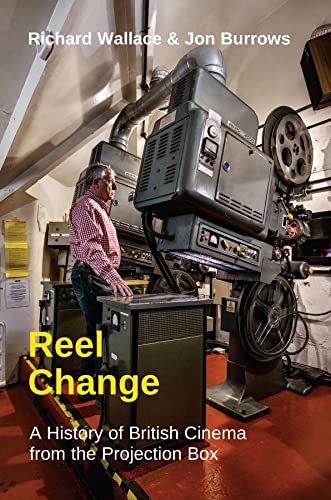
Ten years ago, a technological revolution swept through cinemas around the world, as analogue projectors were replaced with digital equipment. It was not just the plastic medium of film that was removed from projection boxes during this transformation; most cinemas took this opportunity to also evict the human projectionists who were hitherto in charge of screenings. Projectionists had been hidden from the sight of audiences for most of the history of photographic moving image projection, and their redundancies went largely unnoticed and unremarked upon. This book focuses attention on what has been happening behind film spectators’ heads for the past 130 years, and attempts to write the history of cinema in Britain from the perspective of its habitually overlooked and undervalued projectionists, beginning in the silent era and continuing to the present day. Drawing upon extensive archival research and lengthy interviews with former projectionists, it documents the key facets and challenges of their work, and how these evolved in response to previous waves of significant technological change. It evaluates how projectionists helped to design and maintain key aesthetic characteristics of the 20th century big screen experience. It shows how the institution of cinema in Britain has been historically underpinned by the harsh exploitation of projectionists by many employers, detailing inadequate wage levels and poor working conditions that formerly provoked government investigation, and explaining why these problems were never successfully ameliorated by trade unions. It also charts in depth the recent fateful transition to digital projection, delineating how and why projectionists were so swiftly and ruthlessly consigned to the past, and assessing whether this form of entertainment should be considered diminished by their super session.
"Sinopsis" puede pertenecer a otra edición de este libro.
Acerca del autor
Richard Wallace is an Assistant Professor in Film and Television Studies at the University of Warwick. His research interests include British film and television history, screen documentary and comedy. He has published in the Journal of British Cinema and Television, Quarterly Review of Film and Video and Oral History and is the author of the book Mockumentary Comedy: Performing Authenticity. Jon Burrows is an Associate Professor in Film and Television Studies at the University of Warwick, UK. He is the author of numerous essays and articles about the British film industry during the silent era, and of two books: Legitimate Cinema: Theatre Stars in Silent British Films, 1908-1918 and The British Cinema Boom, 1909-1914: A Commercial History. Richard Wallace is an Assistant Professor in Film and Television Studies at the University of Warwick. His research interests include British film and television history, screen documentary and comedy. He has published in the Journal of British Cinema and Television, Quarterly Review of Film and Video and Oral History and is the author of the book Mockumentary Comedy: Performing Authenticity.
"Sobre este título" puede pertenecer a otra edición de este libro.
Resultados de la búsqueda para Reel Change: A History of British Cinema from the Projection...

Imagen de archivo
Reel Change: A History of British Cinema from the Projection Box
Publicado por
John Libbey Publishing, 2022
ISBN 10: 0861967518
ISBN 13: 9780861967513
Antiguo o usado
paperback
Librería: Midtown Scholar Bookstore, Harrisburg, PA, Estados Unidos de America
Calificación del vendedor: 5 de 5 estrellas

paperback. Condición: Good. Good - Bumped and creased book with tears to the extremities, but not affecting the text block, may have remainder mark or previous owner's name - GOOD PAPERBACK Standard-sized. Nº de ref. del artículo: M0861967518Z3
Comprar usado
EUR 27,83
Envío por EUR 5,30
Se envía dentro de Estados Unidos de America
Se envía dentro de Estados Unidos de America
Cantidad disponible: 1 disponibles
Imagen de archivo
Reel Change
Publicado por
MH - Indiana University Press, 2022
ISBN 10: 0861967518
ISBN 13: 9780861967513
Nuevo
PAP
Librería: PBShop.store UK, Fairford, GLOS, Reino Unido
Calificación del vendedor: 5 de 5 estrellas
PAP. Condición: New. New Book. Shipped from UK. Established seller since 2000. Nº de ref. del artículo: FW-9780861967513
Comprar nuevo
EUR 29,83
Envío por EUR 5,88
Se envía de Reino Unido a Estados Unidos de America
Se envía de Reino Unido a Estados Unidos de America
Cantidad disponible: 15 disponibles
Imagen de archivo
Reel Change : A History of British Cinema from the Projection Box
Publicado por
John Libbey Publishing, 2022
ISBN 10: 0861967518
ISBN 13: 9780861967513
Antiguo o usado
Tapa blanda
Librería: GreatBookPrices, Columbia, MD, Estados Unidos de America
Calificación del vendedor: 5 de 5 estrellas
Condición: As New. Unread book in perfect condition. Nº de ref. del artículo: 44327346
Comprar usado
EUR 33,54
Envío por EUR 2,33
Se envía dentro de Estados Unidos de America
Se envía dentro de Estados Unidos de America
Cantidad disponible: Más de 20 disponibles
Imagen de archivo
Reel Change : A History of British Cinema from the Projection Box
Publicado por
John Libbey Publishing, 2022
ISBN 10: 0861967518
ISBN 13: 9780861967513
Nuevo
Tapa blanda
Librería: GreatBookPrices, Columbia, MD, Estados Unidos de America
Calificación del vendedor: 5 de 5 estrellas
Condición: New. Nº de ref. del artículo: 44327346-n
Comprar nuevo
EUR 33,58
Envío por EUR 2,33
Se envía dentro de Estados Unidos de America
Se envía dentro de Estados Unidos de America
Cantidad disponible: Más de 20 disponibles
Imagen del vendedor
Reel Change
Publicado por
John Libbey and Co, AU, 2022
ISBN 10: 0861967518
ISBN 13: 9780861967513
Nuevo
Paperback
Librería: Rarewaves.com USA, London, LONDO, Reino Unido
Calificación del vendedor: 5 de 5 estrellas
Paperback. Condición: New. Ten years ago, a technological revolution swept through cinemas around the world, as analogue projectors were replaced with digital equipment. It was not just the plastic medium of film that was removed from projection boxes during this transformation; most cinemas took this opportunity to also evict the human projectionists who were hitherto in charge of screenings. Projectionists had been hidden from the sight of audiences for most of the history of photographic moving image projection, and their redundancies went largely unnoticed and unremarked upon. This book focuses attention on what has been happening behind film spectators' heads for the past 130 years, and attempts to write the history of cinema in Britain from the perspective of its habitually overlooked and undervalued projectionists, beginning in the silent era and continuing to the present day. Drawing upon extensive archival research and lengthy interviews with former projectionists, it documents the key facets and challenges of their work, and how these evolved in response to previous waves of significant technological change. It evaluates how projectionists helped to design and maintain key aesthetic characteristics of the 20th century big screen experience. It shows how the institution of cinema in Britain has been historically underpinned by the harsh exploitation of projectionists by many employers, detailing inadequate wage levels and poor working conditions that formerly provoked government investigation, and explaining why these problems were never successfully ameliorated by trade unions. It also charts in depth the recent fateful transition to digital projection, delineating how and why projectionists were so swiftly and ruthlessly consigned to the past, and assessing whether this form of entertainment should be considered diminished by their super session. Nº de ref. del artículo: LU-9780861967513
Comprar nuevo
EUR 35,99
Gastos de envío gratis
Se envía de Reino Unido a Estados Unidos de America
Se envía de Reino Unido a Estados Unidos de America
Cantidad disponible: Más de 20 disponibles
Imagen del vendedor
Reel Change: A History of British Cinema from the Projection Box (Paperback or Softback)
Publicado por
John Libbey & Company 8/16/2022, 2022
ISBN 10: 0861967518
ISBN 13: 9780861967513
Nuevo
Paperback or Softback
Librería: BargainBookStores, Grand Rapids, MI, Estados Unidos de America
Calificación del vendedor: 5 de 5 estrellas
Paperback or Softback. Condición: New. Reel Change: A History of British Cinema from the Projection Box. Book. Nº de ref. del artículo: BBS-9780861967513
Comprar nuevo
EUR 36,51
Gastos de envío gratis
Se envía dentro de Estados Unidos de America
Se envía dentro de Estados Unidos de America
Cantidad disponible: 5 disponibles
Imagen de archivo
Reel Change: A History of British Cinema from the Projection Box
Publicado por
John Libbey Publishing, 2022
ISBN 10: 0861967518
ISBN 13: 9780861967513
Nuevo
Tapa blanda
Librería: California Books, Miami, FL, Estados Unidos de America
Calificación del vendedor: 5 de 5 estrellas
Condición: New. Nº de ref. del artículo: I-9780861967513
Comprar nuevo
EUR 37,28
Gastos de envío gratis
Se envía dentro de Estados Unidos de America
Se envía dentro de Estados Unidos de America
Cantidad disponible: Más de 20 disponibles
Imagen del vendedor
Reel Change
Publicado por
John Libbey and Co, AU, 2022
ISBN 10: 0861967518
ISBN 13: 9780861967513
Nuevo
Paperback
Librería: Rarewaves USA, HEBRON, KY, Estados Unidos de America
Calificación del vendedor: 5 de 5 estrellas
Paperback. Condición: New. Ten years ago, a technological revolution swept through cinemas around the world, as analogue projectors were replaced with digital equipment. It was not just the plastic medium of film that was removed from projection boxes during this transformation; most cinemas took this opportunity to also evict the human projectionists who were hitherto in charge of screenings. Projectionists had been hidden from the sight of audiences for most of the history of photographic moving image projection, and their redundancies went largely unnoticed and unremarked upon. This book focuses attention on what has been happening behind film spectators' heads for the past 130 years, and attempts to write the history of cinema in Britain from the perspective of its habitually overlooked and undervalued projectionists, beginning in the silent era and continuing to the present day. Drawing upon extensive archival research and lengthy interviews with former projectionists, it documents the key facets and challenges of their work, and how these evolved in response to previous waves of significant technological change. It evaluates how projectionists helped to design and maintain key aesthetic characteristics of the 20th century big screen experience. It shows how the institution of cinema in Britain has been historically underpinned by the harsh exploitation of projectionists by many employers, detailing inadequate wage levels and poor working conditions that formerly provoked government investigation, and explaining why these problems were never successfully ameliorated by trade unions. It also charts in depth the recent fateful transition to digital projection, delineating how and why projectionists were so swiftly and ruthlessly consigned to the past, and assessing whether this form of entertainment should be considered diminished by their super session. Nº de ref. del artículo: LU-9780861967513
Comprar nuevo
EUR 40,57
Gastos de envío gratis
Se envía dentro de Estados Unidos de America
Se envía dentro de Estados Unidos de America
Cantidad disponible: 1 disponibles
Imagen de archivo
Reel Change: A History of British Cinema from the Projection Box (eng)
Publicado por
John Libbey Publishing, 2022
ISBN 10: 0861967518
ISBN 13: 9780861967513
Nuevo
Tapa blanda
Librería: Brook Bookstore On Demand, Napoli, NA, Italia
Calificación del vendedor: 5 de 5 estrellas
Condición: new. Nº de ref. del artículo: XT8TOHLPEV
Comprar nuevo
EUR 35,56
Envío por EUR 5,50
Se envía de Italia a Estados Unidos de America
Se envía de Italia a Estados Unidos de America
Cantidad disponible: Más de 20 disponibles
Imagen de archivo
Reel Change (Paperback)
Publicado por
John Libbey & Co, Eastleigh, 2022
ISBN 10: 0861967518
ISBN 13: 9780861967513
Nuevo
Paperback
Librería: Grand Eagle Retail, Bensenville, IL, Estados Unidos de America
Calificación del vendedor: 5 de 5 estrellas
Paperback. Condición: new. Paperback. Ten years ago, a technological revolution swept through cinemas around the world, as analogue projectors were replaced with digital equipment. It was not just the plastic medium of film that was removed from projection boxes during this transformation; most cinemas took this opportunity to also evict the human projectionists who were hitherto in charge of screenings. Projectionists had been hidden from the sight of audiences for most of the history of photographic moving image projection, and their redundancies went largely unnoticed and unremarked upon. This book focuses attention on what has been happening behind film spectators' heads for the past 130 years, and attempts to write the history of cinema in Britain from the perspective of its habitually overlooked and undervalued projectionists, beginning in the silent era and continuing to the present day. Drawing upon extensive archival research and lengthy interviews with former projectionists, it documents the key facets and challenges of their work, and how these evolved in response to previous waves of significant technological change. It evaluates how projectionists helped to design and maintain key aesthetic characteristics of the 20th century big screen experience. It shows how the institution of cinema in Britain has been historically underpinned by the harsh exploitation of projectionists by many employers, detailing inadequate wage levels and poor working conditions that formerly provoked government investigation, and explaining why these problems were never successfully ameliorated by trade unions. It also charts in depth the recent fateful transition to digital projection, delineating how and why projectionists were so swiftly and ruthlessly consigned to the past, and assessing whether this form of entertainment should be considered diminished by their super session. This item is printed on demand. Shipping may be from multiple locations in the US or from the UK, depending on stock availability. Nº de ref. del artículo: 9780861967513
Comprar nuevo
EUR 41,63
Gastos de envío gratis
Se envía dentro de Estados Unidos de America
Se envía dentro de Estados Unidos de America
Cantidad disponible: 1 disponibles