Sinopsis
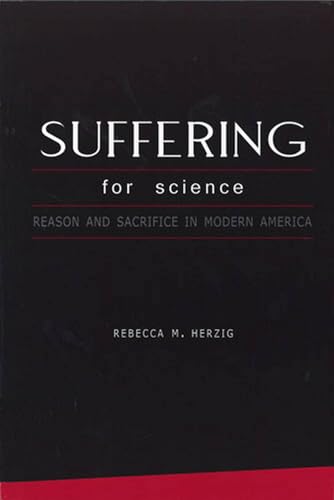
From gruesome self-experimentation to exhausting theoretical calculations, stories abound of scientists willfully surrendering health, well-being, and personal interests for the sake of their work. What accounts for the prevalence of this coupling of knowledge and pain-and for the peculiar assumption that science requires such suffering? In this lucid and absorbing history, Rebecca M. Herzig explores the rise of an ethic of "self-sacrifice" in American science. Delving into some of the more bewildering practices of the Gilded Age and the Progressive Era, she describes when and how science-the supposed standard of all things judicious and disinterested-came to rely on an enthralled investigator willing to embrace toil, danger, and even lethal dismemberment. With attention to shifting racial, sexual, and transnational politics, Herzig examines the suffering scientist as a way to understand the rapid transformation of American life between the Civil War and World War I.
Suffering for Science reveals more than the passion evident in many scientific vocations; it also illuminates a nation's changing understandings of the purposes of suffering, the limits of reason, and the nature of freedom in the aftermath of slavery.
"Sinopsis" puede pertenecer a otra edición de este libro.
Acerca del autor
Rebecca M. Herzig teaches in the Program in Women and Gender Studies at Bates College in Lewiston, Maine.
De la contraportada
From gruesome self-experimentation to exhausting theoretical calculations, stories abound of scientists willfully surrendering health, well-being, and personal interests for the sake of their work. What accounts for the prevalence of this coupling of knowledge and pain—and for the peculiar assumption that science requires such suffering?In this lucid and absorbing history, Rebecca M. Herzig explores the rise of an ethic of "self-sacrifice" in American science. Delving into some of the more bewildering practices of the Gilded Age and the Progressive Era, she describes when and how science—the supposed standard of all things judicious and disinterested—came to rely on an enthralled investigator willing to embrace toil, danger, and even lethal dismemberment. With attention to shifting racial, sexual, and transnational politics, Herzig examines the suffering scientist as a way to understand the rapid transformation of American life between the Civil War and World War I.Suffering for Science reveals more than the passion evident in many scientific vocations; it also illuminates a nation's changing understandings of the purposes of suffering, the limits of reason, and the nature of freedom in the aftermath of slavery.Rebecca M. Herzig teaches in the Program in Women and Gender Studies at Bates College in Lewiston, Maine.
De la solapa interior
From gruesome self-experimentation to exhausting theoretical calculations, stories abound of scientists willfully surrendering health, well-being, and personal interests for the sake of their work. What accounts for the prevalence of this coupling of knowledge and pain and for the peculiar assumption that science requires such suffering?In this lucid and absorbing history, Rebecca M. Herzig explores the rise of an ethic of "self-sacrifice" in American science. Delving into some of the more bewildering practices of the Gilded Age and the Progressive Era, she describes when and how science the supposed standard of all things judicious and disinterested came to rely on an enthralled investigator willing to embrace toil, danger, and even lethal dismemberment. With attention to shifting racial, sexual, and transnational politics, Herzig examines the suffering scientist as a way to understand the rapid transformation of American life between the Civil War and World War I.Suffering for Science reveals more than the passion evident in many scientific vocations; it also illuminates a nation's changing understandings of the purposes of suffering, the limits of reason, and the nature of freedom in the aftermath of slavery.Rebecca M. Herzig teaches in the Program in Women and Gender Studies at Bates College in Lewiston, Maine.
"Sobre este título" puede pertenecer a otra edición de este libro.
Otras ediciones populares con el mismo título

Resultados de la búsqueda para Suffering for Science: Reason and Sacrifice in Modern...

Imagen de archivo
Suffering for Science: Reason and Sacrifice in Modern America
Publicado por
Rutgers University Press, 2006
ISBN 10: 081353951X
ISBN 13: 9780813539515
Antiguo o usado
Paperback
Librería: ThriftBooks-Atlanta, AUSTELL, GA, Estados Unidos de America
Calificación del vendedor: 5 de 5 estrellas

Paperback. Condición: Good. No Jacket. Missing dust jacket; Pages can have notes/highlighting. Spine may show signs of wear. ~ ThriftBooks: Read More, Spend Less. Nº de ref. del artículo: G081353951XI3N01
Comprar usado
EUR 13,63
Gastos de envío:
GRATIS
A Estados Unidos de America
Cantidad disponible: 1 disponibles
Imagen de archivo
Suffering for Science : Reason and Sacrifice in Modern America
Publicado por
Rutgers University Press, 2006
ISBN 10: 081353951X
ISBN 13: 9780813539515
Antiguo o usado
Tapa blanda
Librería: Better World Books, Mishawaka, IN, Estados Unidos de America
Calificación del vendedor: 5 de 5 estrellas
Condición: Good. Former library book; may include library markings. Used book that is in clean, average condition without any missing pages. Nº de ref. del artículo: 4533189-6
Comprar usado
EUR 13,69
Gastos de envío:
GRATIS
A Estados Unidos de America
Cantidad disponible: 1 disponibles
Imagen de archivo
Suffering For Science: Reason and Sacrifice in Modern America
Publicado por
Rutgers University Press, 2006
ISBN 10: 081353951X
ISBN 13: 9780813539515
Antiguo o usado
Paperback
Librería: Midtown Scholar Bookstore, Harrisburg, PA, Estados Unidos de America
Calificación del vendedor: 5 de 5 estrellas
Paperback. Condición: Good. Good - Bumped and creased book with tears to the extremities, but not affecting the text block, may have remainder mark or previous owner's name - GOOD Standard-sized. Nº de ref. del artículo: M081353951XZ3
Comprar usado
EUR 9,30
Gastos de envío:
EUR 5,15
A Estados Unidos de America
Cantidad disponible: 5 disponibles
Imagen del vendedor
Suffering for Science: Reason and Sacrifice in Modern America
Publicado por
Rutgers University Press, New Brunswick, NJ, 2006
ISBN 10: 081353951X
ISBN 13: 9780813539515
Antiguo o usado
trade paperback
Librería: Rainy Day Paperback, Bethel, CT, Estados Unidos de America
Calificación del vendedor: 4 de 5 estrellas

trade paperback. Condición: Near Fine. Clean interior pages free of any markings. Solid binding. Light shelfwear to corners 194 pages with index. 9"x6" From gruesome self-experimentation to exhausting theoretical calculations, stories abound of scientists willfully surrendering health, well-being, and personal interests for the sake of their work. What accounts for the prevalence of this coupling of knowledge and pain-and for the peculiar assumption that science requires such suffering? In this lucid and absorbing history, Rebecca M. Herzig explores the rise of an ethic of "self-sacrifice" in American science. Delving into some of the more bewildering practices of the Gilded Age and the Progressive Era, she describes when and how science-the supposed standard of all things judicious and disinterested-came to rely on an enthralled investigator willing to embrace toil, danger, and even lethal dismemberment. With attention to shifting racial, sexual, and transnational politics, Herzig examines the suffering scientist as a way to understand the rapid transformation of American life between the Civil War and World War I. Suffering for Science reveals more than the passion evident in many scientific vocations; it also illuminates a nation's changing understandings of the purposes of suffering, the limits of reason, and the nature of freedom in the aftermath of slavery. Rutgers University Press 2006. Nº de ref. del artículo: B59-H13
Comprar usado
EUR 17,65
Gastos de envío:
EUR 3,98
A Estados Unidos de America
Cantidad disponible: 1 disponibles
Imagen de archivo
Suffering For Science: Reason and Sacrifice in Modern America
Publicado por
Rutgers University Press, 2006
ISBN 10: 081353951X
ISBN 13: 9780813539515
Nuevo
Paperback
Librería: Toscana Books, AUSTIN, TX, Estados Unidos de America
Calificación del vendedor: 5 de 5 estrellas
Paperback. Condición: new. Excellent Condition.Excels in customer satisfaction, prompt replies, and quality checks. Nº de ref. del artículo: Scanned081353951X
Comprar nuevo
EUR 30,60
Gastos de envío:
EUR 3,69
A Estados Unidos de America
Cantidad disponible: 1 disponibles
Imagen de archivo
Suffering For Science Format: Paperback
Publicado por
University of Chicago press, 2006
ISBN 10: 081353951X
ISBN 13: 9780813539515
Nuevo
Tapa blanda
Librería: INDOO, Avenel, NJ, Estados Unidos de America
Calificación del vendedor: 5 de 5 estrellas
Condición: New. Brand New. Nº de ref. del artículo: 9780813539515
Comprar nuevo
EUR 38,86
Gastos de envío:
GRATIS
A Estados Unidos de America
Cantidad disponible: Más de 20 disponibles
Imagen del vendedor
Suffering for Science: Reason and Sacrifice in Modern America
Publicado por
RUTGERS UNIV PR, 2006
ISBN 10: 081353951X
ISBN 13: 9780813539515
Nuevo
Kartoniert / Broschiert
Librería: moluna, Greven, Alemania
Calificación del vendedor: 4 de 5 estrellas
Kartoniert / Broschiert. Condición: New. Über den Autor Rebecca M. Herzig teaches in the Program in Women and Gender Studies at Bates College in Lewiston, Maine. InhaltsverzeichnisWilling captives The bonds of science. Nº de ref. del artículo: 890170989
Comprar nuevo
EUR 50,96
Gastos de envío:
EUR 48,99
De Alemania a Estados Unidos de America
Cantidad disponible: Más de 20 disponibles