
Artículos relacionados a The Soap Opera Evolution: America’s Enduring...
Sinopsis
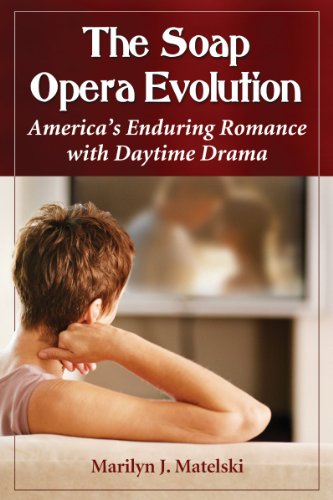
The first daytime dramas began as early as 1930, with Painted Dreams. Programmers soon discovered that housewives often controlled the purse strings, and soaps become an advertiser’s gold mine. They now generate more than $900 million in network revenues annually. Around 50 million people (reportedly including congressmen and rock stars as well as two-thirds of all American television-watching women) tune in each weekday afternoon for a dosage of love, loss and libido via "the soaps." This scholarly study examines the soap phenomenon from a sociological point of view. Included in the analysis is classic research by Rudolf Arnheim, Herta Hartzog and Helen Kaufman as well as contemporary studies and previously unpublished research. The evolution of popular plotlines and characters, as assessment of reality in today’s plots, which people watch soaps and why, specific plotlines for the 13 soaps presently aired, 40+ family trees illustrating program changes, the future of soaps--all are covered.
"Sinopsis" puede pertenecer a otra edición de este libro.
Acerca del autor
Marilyn J. Matelski is professor emerita of communication at Boston College in Chestnut Hill, Massachusetts.
"Sobre este título" puede pertenecer a otra edición de este libro.
Resultados de la búsqueda para The Soap Opera Evolution: America’s Enduring...

Imagen de archivo
The Soap Opera Evolution: America's Enduring Romance with Daytime Drama
Publicado por
McFarland & Company, 2012
ISBN 10: 0786472812
ISBN 13: 9780786472819
Antiguo o usado
paperback
Librería: Books From California, Simi Valley, CA, Estados Unidos de America
Calificación del vendedor: 4 de 5 estrellas

paperback. Condición: Very Good. Nº de ref. del artículo: mon0004057244
Comprar usado
EUR 21,79
Envío por EUR 4,45
Se envía dentro de Estados Unidos de America
Se envía dentro de Estados Unidos de America
Cantidad disponible: 1 disponibles
Imagen del vendedor
Soap Opera Evolution : America's Enduring Romance with Daytime Drama
Publicado por
McFarland & Company, 2012
ISBN 10: 0786472812
ISBN 13: 9780786472819
Antiguo o usado
Tapa blanda
Librería: GreatBookPrices, Columbia, MD, Estados Unidos de America
Calificación del vendedor: 5 de 5 estrellas

Condición: As New. Unread book in perfect condition. Nº de ref. del artículo: 18855126
Comprar usado
EUR 27,05
Envío por EUR 2,35
Se envía dentro de Estados Unidos de America
Se envía dentro de Estados Unidos de America
Cantidad disponible: Más de 20 disponibles
Imagen del vendedor
Soap Opera Evolution : America's Enduring Romance with Daytime Drama
Publicado por
McFarland & Company, 2012
ISBN 10: 0786472812
ISBN 13: 9780786472819
Nuevo
Tapa blanda
Librería: GreatBookPrices, Columbia, MD, Estados Unidos de America
Calificación del vendedor: 5 de 5 estrellas
Condición: New. Nº de ref. del artículo: 18855126-n
Comprar nuevo
EUR 29,56
Envío por EUR 2,35
Se envía dentro de Estados Unidos de America
Se envía dentro de Estados Unidos de America
Cantidad disponible: Más de 20 disponibles
Imagen del vendedor
The Soap Opera Evolution
Publicado por
McFarland and Co Inc, US, 2012
ISBN 10: 0786472812
ISBN 13: 9780786472819
Nuevo
Paperback
Librería: Rarewaves.com USA, London, LONDO, Reino Unido
Calificación del vendedor: 5 de 5 estrellas
Paperback. Condición: New. The first daytime dramas began as early as 1930, with Painted Dreams. Programmers soon discovered that housewives often controlled the purse strings, and soaps become an advertiser's gold mine. They now generate more than $900 million in network revenues annually. Around 50 million people (reportedly including congressmen and rock stars as well as two-thirds of all American television-watching women) tune in each weekday afternoon for a dosage of love, loss and libido via "the soaps." This scholarly study examines the soap phenomenon from a sociological point of view. Included in the analysis is classic research by Rudolf Arnheim, Herta Hartzog and Helen Kaufman as well as contemporary studies and previously unpublished research. The evolution of popular plotlines and characters, as assessment of reality in today's plots, which people watch soaps and why, specific plotlines for the 13 soaps presently aired, 40+ family trees illustrating program changes, the future of soaps--all are covered. Nº de ref. del artículo: LU-9780786472819
Comprar nuevo
EUR 32,00
Gastos de envío gratis
Se envía de Reino Unido a Estados Unidos de America
Se envía de Reino Unido a Estados Unidos de America
Cantidad disponible: Más de 20 disponibles
Imagen de archivo
The Soap Opera Evolution
Librería: PBShop.store UK, Fairford, GLOS, Reino Unido
Calificación del vendedor: 5 de 5 estrellas
PAP. Condición: New. New Book. Shipped from UK. Established seller since 2000. Nº de ref. del artículo: CX-9780786472819
Comprar nuevo
EUR 27,92
Envío por EUR 4,96
Se envía de Reino Unido a Estados Unidos de America
Se envía de Reino Unido a Estados Unidos de America
Cantidad disponible: 15 disponibles
Imagen del vendedor
Soap Opera Evolution : America's Enduring Romance with Daytime Drama
Publicado por
McFarland & Company, 2012
ISBN 10: 0786472812
ISBN 13: 9780786472819
Nuevo
Tapa blanda
Librería: GreatBookPricesUK, Woodford Green, Reino Unido
Calificación del vendedor: 5 de 5 estrellas
Condición: New. Nº de ref. del artículo: 18855126-n
Comprar nuevo
EUR 27,82
Envío por EUR 17,89
Se envía de Reino Unido a Estados Unidos de America
Se envía de Reino Unido a Estados Unidos de America
Cantidad disponible: Más de 20 disponibles
Imagen de archivo
The Soap Opera Evolution: America's Enduring Romance with Daytime Drama
Publicado por
McFarland & Company, 2012
ISBN 10: 0786472812
ISBN 13: 9780786472819
Nuevo
Tapa blanda
Librería: Ria Christie Collections, Uxbridge, Reino Unido
Calificación del vendedor: 5 de 5 estrellas
Condición: New. In English. Nº de ref. del artículo: ria9780786472819_new
Comprar nuevo
EUR 36,79
Envío por EUR 11,17
Se envía de Reino Unido a Estados Unidos de America
Se envía de Reino Unido a Estados Unidos de America
Cantidad disponible: Más de 20 disponibles
Imagen del vendedor
Soap Opera Evolution : America's Enduring Romance with Daytime Drama
Publicado por
McFarland & Company, 2012
ISBN 10: 0786472812
ISBN 13: 9780786472819
Antiguo o usado
Tapa blanda
Librería: GreatBookPricesUK, Woodford Green, Reino Unido
Calificación del vendedor: 5 de 5 estrellas
Condición: As New. Unread book in perfect condition. Nº de ref. del artículo: 18855126
Comprar usado
EUR 30,14
Envío por EUR 17,89
Se envía de Reino Unido a Estados Unidos de America
Se envía de Reino Unido a Estados Unidos de America
Cantidad disponible: Más de 20 disponibles
Imagen de archivo
The Soap Opera Evolution: America's Enduring Romance With Daytime Drama
Librería: Revaluation Books, Exeter, Reino Unido
Calificación del vendedor: 5 de 5 estrellas
Paperback. Condición: Brand New. reprint edition. 212 pages. 8.75x5.75x0.50 inches. In Stock. Nº de ref. del artículo: x-0786472812
Comprar nuevo
EUR 50,06
Envío por EUR 11,93
Se envía de Reino Unido a Estados Unidos de America
Se envía de Reino Unido a Estados Unidos de America
Cantidad disponible: 2 disponibles
Imagen de archivo
The Soap Opera Evolution: America's Enduring Romance with Daytime Drama
Publicado por
McFarland & Company, Incorporated Publishers, 2012
ISBN 10: 0786472812
ISBN 13: 9780786472819
Nuevo
Tapa blanda
Librería: Majestic Books, Hounslow, Reino Unido
Calificación del vendedor: 4 de 5 estrellas
Condición: New. Print on Demand pp. 224. Nº de ref. del artículo: 94837564
Comprar nuevo
EUR 56,97
Envío por EUR 7,75
Se envía de Reino Unido a Estados Unidos de America
Se envía de Reino Unido a Estados Unidos de America
Cantidad disponible: 4 disponibles