
Artículos relacionados a Horror in the East: Japan and the Atrocities of World...
Sinopsis
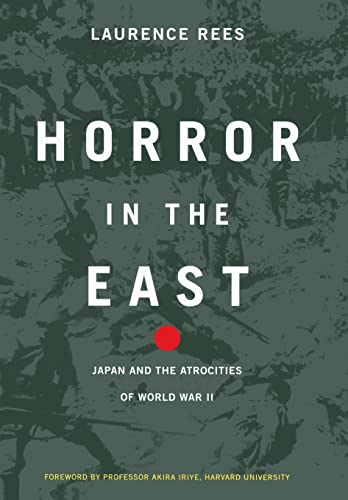
The question is as searing as it is fundamental to the continuing debate over Japanese culpability in World War II and the period leading up to it: "How could Japanese soldiers have committed such acts of violence against Allied prisoners of war and Chinese civilians?" During the First World War, the Japanese fought on the side of the Allies and treated German POWs with respect and civility. In the years that followed, under Emperor Hirohito, conformity was the norm and the Japanese psyche became one of selfless devotion to country and emperor soon Japanese soldiers were to engage in mass murder, rape, and even cannibalization of their enemies. Horror in the East examines how this drastic change came about. On the basis of never-before-published interviews with both the victimizers and the victimized, and drawing on never-before-revealed or long-ignored archival records, Rees discloses the full horror of the war in the Pacific, probing the supposed Japanese belief in their own racial superiority, analyzing a military that believed suicide to be more honorable than surrender, and providing what the Guardian calls "a powerful, harrowing account of appalling inhumanity...impeccably researched."
"Sinopsis" puede pertenecer a otra edición de este libro.
Acerca del autor
Laurence Rees, the head of historical programs for BBC Television, has been called by the Times of London "Britain's most distinguished producer of historical documentaries." The author of four previous books, he lives in London.
"Sobre este título" puede pertenecer a otra edición de este libro.
Resultados de la búsqueda para Horror in the East: Japan and the Atrocities of World...

Imagen de archivo
Horror In The East: Japan And The Atrocities Of World War 2
Publicado por
Hachette Books, 2002
ISBN 10: 0306811782
ISBN 13: 9780306811784
Antiguo o usado
Tapa dura
Librería: World of Books (was SecondSale), Montgomery, IL, Estados Unidos de America
Calificación del vendedor: 5 de 5 estrellas

Hardback. Condición: Very Good. The question is as searing as it is fundamental to the continuing debate over Japanese culpability in World War I and the period leading up to it: How could Japanese soldiers have committed such acts of violence against Allied prisoners of war and Chinese civilians? During the First World War, the Japanese fought on the side of the Allies and treated German POWs with respect and civility. In the years that followed, under Emperor Hirohito, conformity was the norm and the Japanese psyche became one of selfless devotion to country and emperor; soon Japanese soldiers were to engage in mass murder, rape, and even cannibalization of their enemies. Horror in the East examines how this drastic change came about. On the basis of never-before-published interviews with both the victimizers and the victimized, and drawing on never-before-revealed or long-ignored archival records, Rees discloses the full horror of the war in the Pacific, probing the supposed Japanese belief in their own racial superiority, analyzing a military that believed suicide to be more honorable than surrender, and providing what the Guardian calls a powerful, harrowing account of appalling inhumanity.impeccably researched. Nº de ref. del artículo: CIN0306811782VG
Comprar usado
EUR 7,76
Gastos de envío gratis
Se envía dentro de Estados Unidos de America
Se envía dentro de Estados Unidos de America
Cantidad disponible: 1 disponibles
Imagen de archivo
Horror In The East: Japan And The Atrocities Of World War 2
Publicado por
Hachette Books, 2002
ISBN 10: 0306811782
ISBN 13: 9780306811784
Antiguo o usado
Tapa dura
Librería: World of Books (was SecondSale), Montgomery, IL, Estados Unidos de America
Calificación del vendedor: 5 de 5 estrellas
Hardback. Condición: Good. The question is as searing as it is fundamental to the continuing debate over Japanese culpability in World War I and the period leading up to it: How could Japanese soldiers have committed such acts of violence against Allied prisoners of war and Chinese civilians? During the First World War, the Japanese fought on the side of the Allies and treated German POWs with respect and civility. In the years that followed, under Emperor Hirohito, conformity was the norm and the Japanese psyche became one of selfless devotion to country and emperor; soon Japanese soldiers were to engage in mass murder, rape, and even cannibalization of their enemies. Horror in the East examines how this drastic change came about. On the basis of never-before-published interviews with both the victimizers and the victimized, and drawing on never-before-revealed or long-ignored archival records, Rees discloses the full horror of the war in the Pacific, probing the supposed Japanese belief in their own racial superiority, analyzing a military that believed suicide to be more honorable than surrender, and providing what the Guardian calls a powerful, harrowing account of appalling inhumanity.impeccably researched. Nº de ref. del artículo: CIN0306811782G
Comprar usado
EUR 7,76
Gastos de envío gratis
Se envía dentro de Estados Unidos de America
Se envía dentro de Estados Unidos de America
Cantidad disponible: 1 disponibles
Imagen de archivo
Horror in the East : Japan and the Atrocities of World War 2
Publicado por
Grand Central Publishing, 2002
ISBN 10: 0306811782
ISBN 13: 9780306811784
Antiguo o usado
Tapa dura
Librería: Better World Books: West, Reno, NV, Estados Unidos de America
Calificación del vendedor: 5 de 5 estrellas
Condición: Good. Pages intact with minimal writing/highlighting. The binding may be loose and creased. Dust jackets/supplements are not included. Stock photo provided. Product includes identifying sticker. Better World Books: Buy Books. Do Good. Nº de ref. del artículo: 384727-6
Comprar usado
EUR 7,76
Gastos de envío gratis
Se envía dentro de Estados Unidos de America
Se envía dentro de Estados Unidos de America
Cantidad disponible: 1 disponibles
Imagen del vendedor
Horror in the East: Japan and the Atrocities of World War II
Publicado por
Grand Central Publishing, 2002
ISBN 10: 0306811782
ISBN 13: 9780306811784
Antiguo o usado
Tapa dura
Librería: Blue Vase Books, Interlochen, MI, Estados Unidos de America
Calificación del vendedor: 5 de 5 estrellas
Condición: good. The item shows wear from consistent use, but it remains in good condition and works perfectly. All pages and cover are intact including the dust cover, if applicable . Spine may show signs of wear. Pages may include limited notes and highlighting. May NOT include discs, access code or other supplemental materials. Nº de ref. del artículo: BVV.0306811782.G
Comprar usado
EUR 8,79
Gastos de envío gratis
Se envía dentro de Estados Unidos de America
Se envía dentro de Estados Unidos de America
Cantidad disponible: 1 disponibles
Imagen de archivo
Horror In The East: Japan And The Atrocities Of World War 2
Publicado por
Hachette Books, 2002
ISBN 10: 0306811782
ISBN 13: 9780306811784
Antiguo o usado
Tapa dura
Librería: World of Books Inc, Montgomery, IL, Estados Unidos de America
Calificación del vendedor: 4 de 5 estrellas

Hardback. Condición: Very Good. The question is as searing as it is fundamental to the continuing debate over Japanese culpability in World War I and the period leading up to it: How could Japanese soldiers have committed such acts of violence against Allied prisoners of war and Chinese civilians? During the First World War, the Japanese fought on the side of the Allies and treated German POWs with respect and civility. In the years that followed, under Emperor Hirohito, conformity was the norm and the Japanese psyche became one of selfless devotion to country and emperor; soon Japanese soldiers were to engage in mass murder, rape, and even cannibalization of their enemies. Horror in the East examines how this drastic change came about. On the basis of never-before-published interviews with both the victimizers and the victimized, and drawing on never-before-revealed or long-ignored archival records, Rees discloses the full horror of the war in the Pacific, probing the supposed Japanese belief in their own racial superiority, analyzing a military that believed suicide to be more honorable than surrender, and providing what the Guardian calls a powerful, harrowing account of appalling inhumanity.impeccably researched. Nº de ref. del artículo: CIN0306811782VG
Comprar usado
EUR 9,62
Gastos de envío gratis
Se envía dentro de Estados Unidos de America
Se envía dentro de Estados Unidos de America
Cantidad disponible: 1 disponibles
Imagen de archivo
Horror In The East: Japan And The Atrocities Of World War 2
Publicado por
Hachette Books, 2002
ISBN 10: 0306811782
ISBN 13: 9780306811784
Antiguo o usado
Tapa dura
Librería: World of Books Inc, Montgomery, IL, Estados Unidos de America
Calificación del vendedor: 4 de 5 estrellas
Hardback. Condición: Good. The question is as searing as it is fundamental to the continuing debate over Japanese culpability in World War I and the period leading up to it: How could Japanese soldiers have committed such acts of violence against Allied prisoners of war and Chinese civilians? During the First World War, the Japanese fought on the side of the Allies and treated German POWs with respect and civility. In the years that followed, under Emperor Hirohito, conformity was the norm and the Japanese psyche became one of selfless devotion to country and emperor; soon Japanese soldiers were to engage in mass murder, rape, and even cannibalization of their enemies. Horror in the East examines how this drastic change came about. On the basis of never-before-published interviews with both the victimizers and the victimized, and drawing on never-before-revealed or long-ignored archival records, Rees discloses the full horror of the war in the Pacific, probing the supposed Japanese belief in their own racial superiority, analyzing a military that believed suicide to be more honorable than surrender, and providing what the Guardian calls a powerful, harrowing account of appalling inhumanity.impeccably researched. Nº de ref. del artículo: CIN0306811782G
Comprar usado
EUR 9,62
Gastos de envío gratis
Se envía dentro de Estados Unidos de America
Se envía dentro de Estados Unidos de America
Cantidad disponible: 1 disponibles
Imagen del vendedor
Horror in the East: Japan and the Atrocities of World War II
Publicado por
Grand Central Publishing, 2002
ISBN 10: 0306811782
ISBN 13: 9780306811784
Antiguo o usado
Tapa dura
Librería: Goodwill of Colorado, COLORADO SPRINGS, CO, Estados Unidos de America
Calificación del vendedor: 5 de 5 estrellas
Condición: good. All pages and cover are intact. Dust jacket included if applicable, though it may be missing on hardcover editions. Spine and cover may show minor signs of wear including scuff marks, curls or bends to corners as well as cosmetic blemishes including stickers. Pages may contain limited notes or highlighting. "From the library of" labels may be present. Shrink wrap, dust covers, or boxed set packaging may be missing. Bundled media e.g., CDs, DVDs, access codes may not be included. Nº de ref. del artículo: COLV.0306811782.G
Comprar usado
EUR 10,03
Gastos de envío gratis
Se envía dentro de Estados Unidos de America
Se envía dentro de Estados Unidos de America
Cantidad disponible: 1 disponibles
Imagen del vendedor
Horror in the East: Japan and the Atrocities of World War II
Publicado por
Grand Central Publishing, 2002
ISBN 10: 0306811782
ISBN 13: 9780306811784
Antiguo o usado
Tapa dura
Librería: Goodwill of Greater Milwaukee and Chicago, Racine, WI, Estados Unidos de America
Calificación del vendedor: 5 de 5 estrellas
Condición: acceptable. Book is considered to be in acceptable condition. The actual cover image may not match the stock photo. Book may have one or more of the following defects: noticeable wear on the cover dust jacket or spine; curved, dog eared or creased page s ; writing or highlighting inside or on the edges; sticker s or other adhesive on cover; CD DVD may not be included; and book may be a former library copy. Nº de ref. del artículo: SEWV.0306811782.A
Comprar usado
EUR 8,82
Envío por EUR 2,72
Se envía dentro de Estados Unidos de America
Se envía dentro de Estados Unidos de America
Cantidad disponible: 1 disponibles
Imagen de archivo
Horror in the East: Japan and the Atrocities of World War II
Publicado por
Da Capo Press, 2002
ISBN 10: 0306811782
ISBN 13: 9780306811784
Antiguo o usado
Tapa dura
Librería: Books From California, Simi Valley, CA, Estados Unidos de America
Calificación del vendedor: 4 de 5 estrellas
Hardcover. Condición: Fine. Nº de ref. del artículo: mon0004099057
Comprar usado
EUR 8,04
Envío por EUR 4,53
Se envía dentro de Estados Unidos de America
Se envía dentro de Estados Unidos de America
Cantidad disponible: 1 disponibles
Imagen de archivo
Horror in the East Japan & the Atrocities of World War II
Publicado por
Da Capo Press, c.2002,, 2002
ISBN 10: 0306811782
ISBN 13: 9780306811784
Antiguo o usado
Tapa dura
Librería: Harry Alter, Sylva, NC, Estados Unidos de America
Calificación del vendedor: 5 de 5 estrellas
hardcover, Condición: Good, Da Capo Press, c.2002, 1st., 8vo., hardcover, 160pp., bkplte., G/G $. Nº de ref. del artículo: 95755
Comprar usado
EUR 11,21
Envío por EUR 3,58
Se envía dentro de Estados Unidos de America
Se envía dentro de Estados Unidos de America
Cantidad disponible: 1 disponibles