Sinopsis
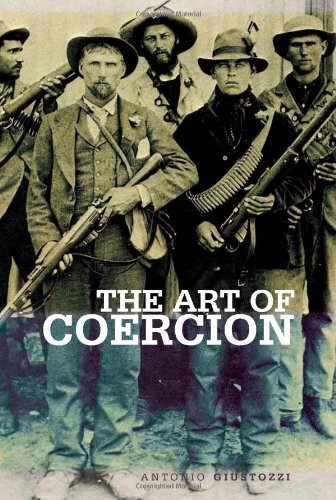
An expert on the Taliban’s modern habits and practices, Antonio Giustozzi makes a controversial point about the role of violence and coercion in state building, which is also relevant to liberal interventionism. Liberal interventionism’s dominant discourse dangerously neglects the role of coercion and the monopoly of violence in the countries it purports to aid. Many scholars assume that a functional liberal state can emerge from a settlement between warring parties, especially if the agreement is characterized by political inclusiveness and a social contract. Yet similar, post-Cold War deals prove the failure of this philosophy, prompting a reexamination of its claims.
Giustozzi contends the key flaw lies in the confusion over the specifics of state formation and state building. In his view, completely different ?rules of the game” apply in each scenario. Naked coercion is a key component of state formation, and very few states have been formed without recourse to it. In contrast, the history of state consolidation after initial formation reflects a taming of violence and a sophisticated method of managing it. The Art of Coercion introduces a new framework for analyzing the role of security in its broadest sense, particularly its place in state formation and state building. While focusing largely on nineteenth- and twentieth-century examples, Giustozzi discusses instances of coercive power through-out history, ranging from its use in the Carolingian empire to South Africa’s Boer War, and from China’s Warring States period to Emiliano Zapata’s Mexican Revolution.
Giustozzi contends the key flaw lies in the confusion over the specifics of state formation and state building. In his view, completely different ?rules of the game” apply in each scenario. Naked coercion is a key component of state formation, and very few states have been formed without recourse to it. In contrast, the history of state consolidation after initial formation reflects a taming of violence and a sophisticated method of managing it. The Art of Coercion introduces a new framework for analyzing the role of security in its broadest sense, particularly its place in state formation and state building. While focusing largely on nineteenth- and twentieth-century examples, Giustozzi discusses instances of coercive power through-out history, ranging from its use in the Carolingian empire to South Africa’s Boer War, and from China’s Warring States period to Emiliano Zapata’s Mexican Revolution.
"Sinopsis" puede pertenecer a otra edición de este libro.
Reseña del editor
An expert on the Taliban’s modern habits and practices, Antonio Giustozzi makes a controversial point about the role of violence and coercion in state building, which is also relevant to liberal interventionism. Liberal interventionism’s dominant discourse dangerously neglects the role of coercion and the monopoly of violence in the countries it purports to aid. Many scholars assume that a functional liberal state can emerge from a settlement between warring parties, especially if the agreement is characterized by political inclusiveness and a social contract. Yet similar, post-Cold War deals prove the failure of this philosophy, prompting a reexamination of its claims.
Giustozzi contends the key flaw lies in the confusion over the specifics of state formation and state building. In his view, completely different ?rules of the game” apply in each scenario. Naked coercion is a key component of state formation, and very few states have been formed without recourse to it. In contrast, the history of state consolidation after initial formation reflects a taming of violence and a sophisticated method of managing it. The Art of Coercion introduces a new framework for analyzing the role of security in its broadest sense, particularly its place in state formation and state building. While focusing largely on nineteenth- and twentieth-century examples, Giustozzi discusses instances of coercive power through-out history, ranging from its use in the Carolingian empire to South Africa’s Boer War, and from China’s Warring States period to Emiliano Zapata’s Mexican Revolution.
"Sobre este título" puede pertenecer a otra edición de este libro.
Otras ediciones populares con el mismo título

Resultados de la búsqueda para The Art of Coercion: The Primitive Accumulation and...

Imagen de archivo
The Art of Coercion: The Primitive Accumulation and Management of Coercive Power
Publicado por
Columbia Univ Pr, 2011
ISBN 10: 023170240X
ISBN 13: 9780231702409
Antiguo o usado
Tapa dura
Librería: AwesomeBooks, Wallingford, Reino Unido
Calificación del vendedor: 5 de 5 estrellas

hardcover. Condición: Very Good. The Art of Coercion: The Primitive Accumulation and Management of Coercive Power This book is in very good condition and will be shipped within 24 hours of ordering. The cover may have some limited signs of wear but the pages are clean, intact and the spine remains undamaged. This book has clearly been well maintained and looked after thus far. Money back guarantee if you are not satisfied. See all our books here, order more than 1 book and get discounted shipping. . Nº de ref. del artículo: 7719-9780231702409
Comprar usado
EUR 10,13
Gastos de envío:
EUR 5,69
De Reino Unido a Estados Unidos de America
Cantidad disponible: 1 disponibles
Imagen de archivo
The Art of Coercion: The Primitive Accumulation and Management of Coercive Power (Columbia/Hurst)
Publicado por
Columbia University Press, 2011
ISBN 10: 023170240X
ISBN 13: 9780231702409
Antiguo o usado
Tapa dura
Librería: Midtown Scholar Bookstore, Harrisburg, PA, Estados Unidos de America
Calificación del vendedor: 5 de 5 estrellas
Hardcover. Condición: Good. HARDCOVER Good - Bumped and creased book with tears to the extremities, but not affecting the text block, may have remainder mark or previous owner's name - GOOD Standard-sized. Nº de ref. del artículo: M023170240XZ3
Comprar usado
EUR 13,71
Gastos de envío:
EUR 5,17
A Estados Unidos de America
Cantidad disponible: 12 disponibles