
Artículos relacionados a The Humans Who Went Extinct: Why Neanderthals died...
Sinopsis
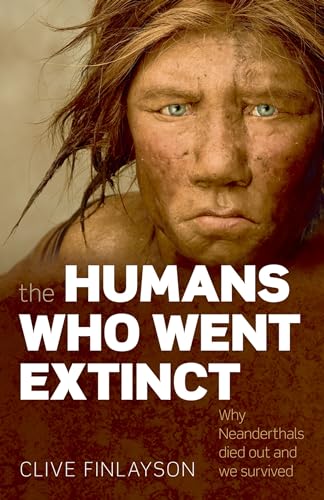
Just 28,000 years ago, the blink of an eye in geological time, the last of Neanderthals died out in their last outpost, in caves near Gibraltar. Thanks to cartoons and folk accounts we have a distorted view of these other humans - for that is what they were. We think of them as crude and clumsy and not very bright, easily driven to extinction by the lithe, smart modern humans that came out of Africa some 100,000 years ago.
But was it really as simple as that? Clive Finlayson reminds us that the Neanderthals were another kind of human, and their culture was not so very different from that of our own ancestors. In this book, he presents a wider view of the events that led to the migration of the moderns into Europe, what might have happened during the contact of the two populations, and what finally drove the Neanderthals to extinction. It is a view that considers climate, ecology, and migrations of populations, as well as culture and interaction.
His conclusion is that the destiny of the Neanderthals and the Moderns was sealed by ecological factors and contingencies. It was a matter of luck that we survived and spread while the Neanderthals dwindled and perished. Had the climate not changed in our favour some 50 million years ago, things would have been very different.
There is much current research interest in Neanderthals, much of it driven by attempts to map some of their DNA. But it's not just a question of studying the DNA. The rise and fall of populations is profoundly moulded by the larger scale forces of climate and ecology. And it is only by taking this wider view that we can fully understand the course of events that led to our survival and their demise. The fact that Neanderthals survived until virtually yesterday makes our relationship with them and their tragedy even more poignant. They almost made it, after all.
"Sinopsis" puede pertenecer a otra edición de este libro.
Acerca del autor
Clive Finlayson is a noted expert on the Neanderthals and has been researching their final stand in Gibraltar. He is Director of the Gibraltar Museum and Adjunct Professor at the University of Toronto, having trained in Oxford as an evolutionary ecologist.
"Sobre este título" puede pertenecer a otra edición de este libro.
Resultados de la búsqueda para The Humans Who Went Extinct: Why Neanderthals died...

Imagen de archivo
The Humans Who Went Extinct: Why Neanderthals died out and we survived
Publicado por
Oxford University Press, 2010
ISBN 10: 0199239193
ISBN 13: 9780199239191
Antiguo o usado
Paperback
Librería: World of Books (was SecondSale), Montgomery, IL, Estados Unidos de America
Calificación del vendedor: 5 de 5 estrellas

Paperback. Condición: Good. Just 28,000 years ago, the blink of an eye in geological time, the last of Neanderthals died out in their last outpost, in caves near Gibraltar. Thanks to cartoons and folk accounts we have a distorted view of these other humans - for that is what they were. We think of them as crude and clumsy and not very bright, easily driven to extinction by the lithe, smart modern humans that came out of Africa some 100,000 years ago. But was it really as simple as that? Clive Finlayson reminds us that the Neanderthals were another kind of human, and their culture was not so very different from that of our own ancestors. In this book, he presents a wider view of the events that led to the migration of the moderns into Europe, what might have happened during the contact of the two populations, and what finally drove the Neanderthals to extinction. It is a view that considers climate, ecology, and migrations of populations, as well as culture and interaction. His conclusion is that the destiny of the Neanderthals and the Moderns was sealed by ecological factors and contingencies. It was a matter of luck that we survived and spread while the Neanderthals dwindled and perished. Had the climate not changed in our favour some 50 million years ago, things would have been very different. There is much current research interest in Neanderthals, much of it driven by attempts to map some of their DNA. But it's not just a question of studying the DNA. The rise and fall of populations is profoundly moulded by the larger scale forces of climate and ecology. And it is only by taking this wider view that we can fully understand the course of events that led to our survival and their demise. The fact that Neanderthals survived until virtually yesterday makes our relationship with them and their tragedy even more poignant. They almost made it, after all. Nº de ref. del artículo: 00107223173
Comprar usado
EUR 4,25
Gastos de envío gratis
Se envía dentro de Estados Unidos de America
Se envía dentro de Estados Unidos de America
Cantidad disponible: 1 disponibles
Imagen de archivo
The Humans Who Went Extinct: Why Neanderthals died out and we survived
Publicado por
Oxford University Press, 2010
ISBN 10: 0199239193
ISBN 13: 9780199239191
Antiguo o usado
Paperback
Librería: World of Books (was SecondSale), Montgomery, IL, Estados Unidos de America
Calificación del vendedor: 5 de 5 estrellas
Paperback. Condición: Fair. Just 28,000 years ago, the blink of an eye in geological time, the last of Neanderthals died out in their last outpost, in caves near Gibraltar. Thanks to cartoons and folk accounts we have a distorted view of these other humans - for that is what they were. We think of them as crude and clumsy and not very bright, easily driven to extinction by the lithe, smart modern humans that came out of Africa some 100,000 years ago. But was it really as simple as that? Clive Finlayson reminds us that the Neanderthals were another kind of human, and their culture was not so very different from that of our own ancestors. In this book, he presents a wider view of the events that led to the migration of the moderns into Europe, what might have happened during the contact of the two populations, and what finally drove the Neanderthals to extinction. It is a view that considers climate, ecology, and migrations of populations, as well as culture and interaction. His conclusion is that the destiny of the Neanderthals and the Moderns was sealed by ecological factors and contingencies. It was a matter of luck that we survived and spread while the Neanderthals dwindled and perished. Had the climate not changed in our favour some 50 million years ago, things would have been very different. There is much current research interest in Neanderthals, much of it driven by attempts to map some of their DNA. But it's not just a question of studying the DNA. The rise and fall of populations is profoundly moulded by the larger scale forces of climate and ecology. And it is only by taking this wider view that we can fully understand the course of events that led to our survival and their demise. The fact that Neanderthals survived until virtually yesterday makes our relationship with them and their tragedy even more poignant. They almost made it, after all. Nº de ref. del artículo: 00109029864
Comprar usado
EUR 4,25
Gastos de envío gratis
Se envía dentro de Estados Unidos de America
Se envía dentro de Estados Unidos de America
Cantidad disponible: 1 disponibles
Imagen del vendedor
The Humans Who Went Extinct: Why Neanderthals Died Out and We Survived
Publicado por
Oxford University Press, 2010
ISBN 10: 0199239193
ISBN 13: 9780199239191
Antiguo o usado
Tapa blanda
Librería: Greenworld Books, Arlington, TX, Estados Unidos de America
Calificación del vendedor: 5 de 5 estrellas
Condición: very_good. Fast Free Shipping â" Very Good condition book with a firm cover and clean pages. Shows normal use and some light wear or limited notes markings. A solid, nice copy to enjoy. Nº de ref. del artículo: GWV.0199239193.VG
Comprar usado
EUR 5,96
Gastos de envío gratis
Se envía dentro de Estados Unidos de America
Se envía dentro de Estados Unidos de America
Cantidad disponible: 1 disponibles
Imagen de archivo
The Humans Who Went Extinct: Why Neanderthals Died Out and We Survived
Publicado por
Oxford University Press, 2010
ISBN 10: 0199239193
ISBN 13: 9780199239191
Antiguo o usado
Paperback
Librería: ThriftBooks-Atlanta, AUSTELL, GA, Estados Unidos de America
Calificación del vendedor: 5 de 5 estrellas
Paperback. Condición: Fair. No Jacket. Readable copy. Pages may have considerable notes/highlighting. ~ ThriftBooks: Read More, Spend Less. Nº de ref. del artículo: G0199239193I5N00
Comprar usado
EUR 6,24
Gastos de envío gratis
Se envía dentro de Estados Unidos de America
Se envía dentro de Estados Unidos de America
Cantidad disponible: 1 disponibles
Imagen de archivo
The Humans Who Went Extinct: Why Neanderthals Died Out and We Survived
Publicado por
Oxford University Press, 2010
ISBN 10: 0199239193
ISBN 13: 9780199239191
Antiguo o usado
Paperback
Librería: ThriftBooks-Atlanta, AUSTELL, GA, Estados Unidos de America
Calificación del vendedor: 5 de 5 estrellas
Paperback. Condición: Good. No Jacket. Pages can have notes/highlighting. Spine may show signs of wear. ~ ThriftBooks: Read More, Spend Less. Nº de ref. del artículo: G0199239193I3N00
Comprar usado
EUR 6,24
Gastos de envío gratis
Se envía dentro de Estados Unidos de America
Se envía dentro de Estados Unidos de America
Cantidad disponible: 1 disponibles
Imagen del vendedor
The Humans Who Went Extinct: Why Neanderthals Died Out and We Survived
Publicado por
Oxford University Press, 2010
ISBN 10: 0199239193
ISBN 13: 9780199239191
Antiguo o usado
Tapa blanda
Librería: -OnTimeBooks-, Phoenix, AZ, Estados Unidos de America
Calificación del vendedor: 5 de 5 estrellas
Condición: very_good. Gently read. May have name of previous ownership, or ex-library edition. Binding tight; spine straight and smooth, with no creasing; covers clean and crisp. Minimal signs of handling or shelving. 100% GUARANTEE! Shipped with delivery confirmation, if you're not satisfied with purchase please return item! Ships USPS Media Mail. Nº de ref. del artículo: OTV.0199239193.VG
Comprar usado
EUR 6,27
Gastos de envío gratis
Se envía dentro de Estados Unidos de America
Se envía dentro de Estados Unidos de America
Cantidad disponible: 1 disponibles
Imagen de archivo
The Humans Who Went Extinct: Why Neanderthals Died Out and We Survived
Publicado por
Oxford University Press, 2010
ISBN 10: 0199239193
ISBN 13: 9780199239191
Antiguo o usado
Tapa blanda
Librería: Wonder Book, Frederick, MD, Estados Unidos de America
Calificación del vendedor: 5 de 5 estrellas
Condición: Very Good. Very Good condition. A copy that may have a few cosmetic defects. May also contain light spine creasing or a few markings such as an owner's name, short gifter's inscription or light stamp. Nº de ref. del artículo: K05R-00297
Comprar usado
EUR 6,40
Gastos de envío gratis
Se envía dentro de Estados Unidos de America
Se envía dentro de Estados Unidos de America
Cantidad disponible: 1 disponibles
Imagen de archivo
The Humans Who Went Extinct: Why Neanderthals Died Out and We Survived
Publicado por
Oxford University Press, 2010
ISBN 10: 0199239193
ISBN 13: 9780199239191
Antiguo o usado
Paperback
Librería: HPB Inc., Dallas, TX, Estados Unidos de America
Calificación del vendedor: 5 de 5 estrellas
Paperback. Condición: Very Good. Connecting readers with great books since 1972! Used books may not include companion materials, and may have some shelf wear or limited writing. We ship orders daily and Customer Service is our top priority! Nº de ref. del artículo: S_469853144
Comprar usado
EUR 3,88
Envío por EUR 3,33
Se envía dentro de Estados Unidos de America
Se envía dentro de Estados Unidos de America
Cantidad disponible: 1 disponibles
Imagen del vendedor
The Humans Who Went Extinct: Why Neanderthals died out and we survived
Librería: WeBuyBooks, Rossendale, LANCS, Reino Unido
Calificación del vendedor: 5 de 5 estrellas
paperback. Condición: Very Good. Most items will be dispatched the same or the next working day. A copy that has been read, but is in excellent condition. Pages are intact and not marred by notes or highlighting. The spine remains undamaged. Nº de ref. del artículo: rev5398343328
Comprar usado
EUR 1,60
Envío por EUR 5,82
Se envía de Reino Unido a Estados Unidos de America
Se envía de Reino Unido a Estados Unidos de America
Cantidad disponible: 1 disponibles
Imagen de archivo
The Humans Who Went Extinct: Why Neanderthals Died Out and We Survived
Publicado por
Oxford University Press, 2010
ISBN 10: 0199239193
ISBN 13: 9780199239191
Antiguo o usado
Tapa blanda
Librería: Read&Dream, SAINT LOUIS, MO, Estados Unidos de America
Calificación del vendedor: 4 de 5 estrellas

Condición: Good. Nº de ref. del artículo: 1.8M_MG_H0004ZDY
Comprar usado
EUR 8,22
Gastos de envío gratis
Se envía dentro de Estados Unidos de America
Se envía dentro de Estados Unidos de America
Cantidad disponible: 1 disponibles